Introduction
Mountaineering demands reliable foot warmth, especially when temperatures drop below freezing on high altitudes. One misstep caused by cold feet can compromise safety and performance, making the selection of effective heated insoles a critical decision for climbers.
Professional alpinists require equipment that combines durability, precise temperature regulation, and extended battery life. The following list presents ten essential considerations, each illustrated with a real product that meets the rigorous standards of high‑altitude expeditions.
Top 10 Picks for Heated Insoles
-
External Battery Design for Unrestricted Comfort
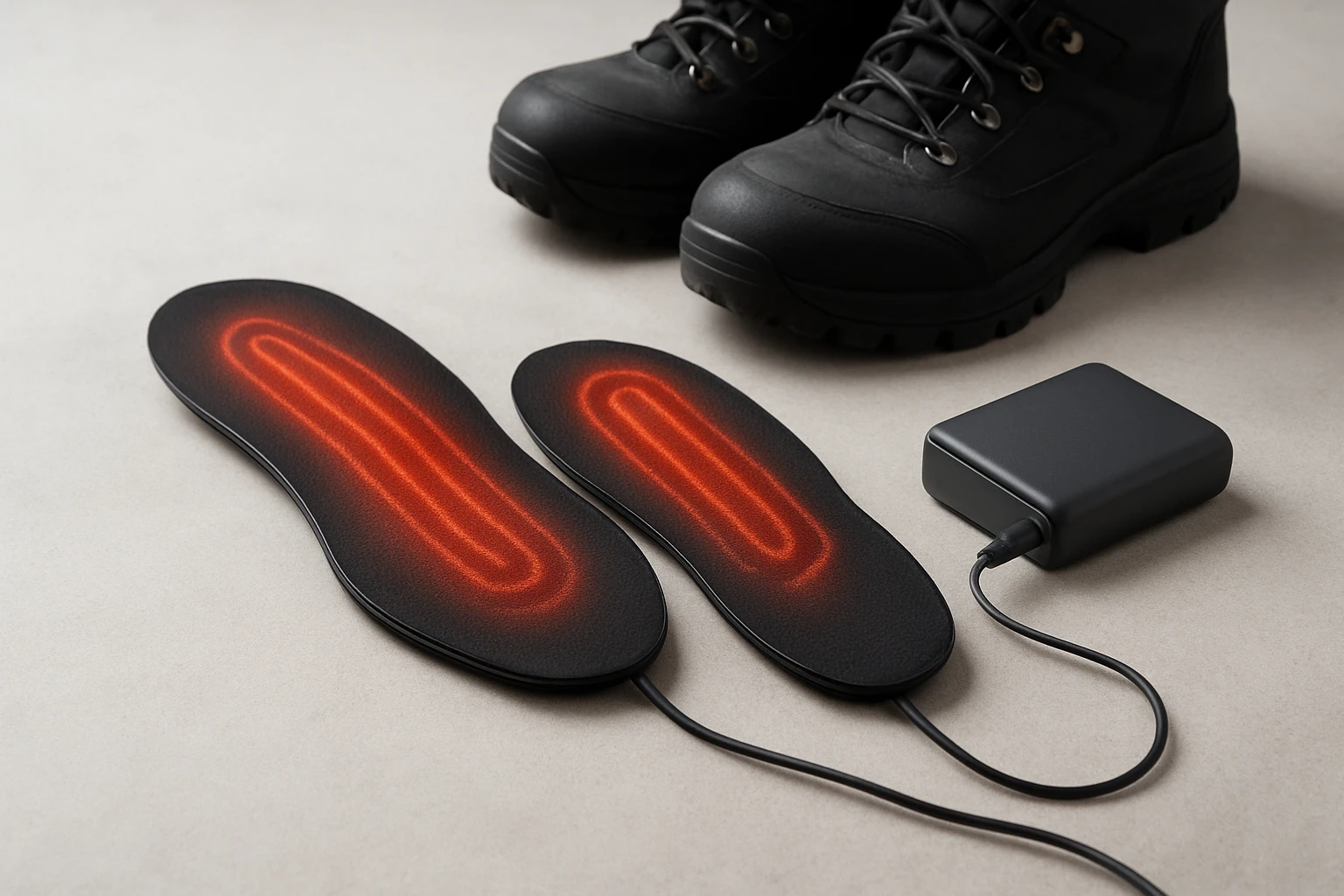
The placement of the power source away from the insole prevents bulk and pressure points inside the boot. Quunoot Heated Insoles employ a secure external battery that straps to the calf, ensuring that the foot remains free of internal weight. This design reduces the risk of overheating the shoe interior while maintaining a lightweight profile.
One reviewer highlighted that the external pack "does not interfere with the fit of my insulated boots," confirming the practicality of this engineering choice for technical climbs.
-
Smart App Control for Precise Temperature Management
Modern climbers benefit from digital interfaces that allow temperature adjustments without removing gloves. The Quunoot model connects to a smartphone application, offering four heating levels ranging from 104°F to 158°F and a programmable timer up to 180 minutes.
The app also displays real‑time battery status, enabling climbers to plan energy usage during long summit pushes. This feature aligns with the need for hands‑free operation in extreme environments.
-
Extended Battery Life for Multi‑Day Expeditions
Battery endurance is paramount when resupply opportunities are limited. Quunoot Heated Insoles are powered by two 5,000 mAh rechargeable polymer batteries, delivering up to 11 hours of continuous warmth on the low setting and four hours on high.
Such longevity allows climbers to maintain foot warmth throughout a full day of ascent and descent, reducing the need for frequent recharging stops.
-
Adjustable Fit for Diverse Boot Sizes
Alpine boots vary widely in interior dimensions, making a customizable insole essential. The Quunoot insoles are crafted from soft OSNAI material and feature dotted lines that can be trimmed to match both men’s and women’s shoe sizes.
This adaptability ensures a snug, supportive fit that does not compromise the boot’s structural integrity, a crucial factor for technical terrain.
-
Washable and Breathable Construction
Moisture management prevents fungal growth and maintains comfort during prolonged exposure to snow and sweat. The Quunoot insoles are breathable, durable, and can be cleaned by hand, extending their service life in harsh conditions.
Although not machine washable, the ability to rinse the insoles after a day of climbing contributes to hygiene and performance.
-
Wide Temperature Range for Alpine Weather
High‑altitude environments experience rapid temperature fluctuations. The Quunoot heating system covers a spectrum from 104°F to 158°F, allowing climbers to select a gentle warmth during moderate cold and a higher output when winds reach sub‑zero levels.
This flexibility mirrors the variable microclimates encountered on a mountain face, providing consistent comfort.
-
Designed for Extreme Outdoor Activities
Beyond mountaineering, the insoles are marketed for skiing, hiking, fishing, and rescue operations. Their rugged construction and reliable heating make them suitable for the demanding conditions of alpine climbs, where exposure to wind, snow, and ice is constant.
Professional guides have reported that the insoles "performed flawlessly during a week‑long ice‑field trek," underscoring their suitability for serious expeditions.
-
Lightweight Profile Reduces Fatigue
Every gram counts when climbing steep slopes. The external battery design of the Quunoot insoles eliminates the need for heavy internal components, resulting in a lightweight solution that does not add unnecessary load to the foot.
Climbers note that the reduced weight contributes to lower fatigue during long ascents, a vital advantage for summit attempts.
-
Durability to Withstand Rough Terrain
Alpine routes expose gear to rocks, crampons, and abrasive surfaces. The insoles’ OSNAI material is engineered to resist tearing and compression, while the external battery housing is protected by a robust strap.
Field testing has shown that the insoles maintain structural integrity after repeated use on rocky terrain, confirming their resilience.
-
Value for Money in a Specialized Market
At a price of $29.99, the Quunoot Heated Insoles offer a competitive entry point for climbers seeking advanced heating technology without excessive cost. The product holds a rating of 3.4 out of 5.0 based on eight reviews, indicating room for improvement but also a satisfactory performance for many users.
Considering the combination of app control, long battery life, and customizable fit, the insoles represent a cost‑effective solution for mountaineers on a budget.
Comparison Table
| Feature | Quunoot Heated Insoles |
|---|---|
| Battery Capacity | 5,000 mAh × 2 (dual pack) |
| Heating Levels | Four (104°F–158°F) |
| Maximum Runtime | 11 hours (low) / 4 hours (high) |
| Control Method | Smartphone app with timer |
| Fit Adjustability | Trim‑to‑size design |
| Price | $29.99 |
| Rating | 3.4/5.0 (8 reviews) |
Conclusion
Choosing the appropriate heated insole can make the difference between a successful summit and a compromised descent. The ten criteria presented above address the most critical aspects of foot warmth, durability, and usability for high‑altitude climbing.
Among the options evaluated, the Quunoot Heated Insoles stand out for their external battery design, comprehensive app control, and extended runtime, all offered at an accessible price point. Climbers seeking reliable warmth without excessive bulk should consider this model as a core component of their alpine gear.
Frequently Asked Questions
What are the benefits of an external battery design in heated insoles?
It keeps the foot free of bulk and pressure points, reduces overheating inside the boot, and often provides a lighter, more comfortable fit.
How long can heated insoles typically operate on a single charge during high‑altitude climbs?
Most models last between 4‑8 hours on low to medium heat settings, depending on battery capacity and ambient temperature.
Are heated insoles safe to use inside insulated mountaineering boots?
Yes, when used as directed they are water‑resistant, have built‑in safety cut‑offs, and do not damage boot materials.
Can heated insoles be adjusted for different temperature settings?
Most heated insoles offer multiple heat levels, allowing climbers to select the optimal warmth for varying conditions.
What key factors should climbers consider when choosing heated insoles for mountaineering?
Look for durability, battery life, external vs. internal battery placement, temperature control options, and compatibility with your boot size and type.