Introduction
Backpacking in winter conditions demands equipment that adds warmth without sacrificing weight. A pair of heated insoles can keep the feet comfortable during long days on the trail, reducing the risk of frostbite and improving overall morale. However, not every heated insole is suitable for the ultralight backpacker who values compactness, battery efficiency, and reliable performance.
This article evaluates seven essential options that balance heat output, durability, and packability. The selections draw from real customer experiences, technical specifications, and price points, allowing the reader to make an informed decision whether the goal is a weekend snowshoe trek or a multi‑day alpine expedition.
-
Disposable Insole Warmers for Emergency Heat
When weight is the most critical factor, disposable foot warmers provide instant heat without the burden of batteries or electronics. The Everlasting Heat Insole Foot Warmers deliver more than ten hours of consistent warmth in a thin adhesive format that fits comfortably inside any boot or sneaker. Priced at $29.99 and rated 4.3 stars from 224 reviews, they offer a value pack of 20 pairs (40 warmers) that can be stored in a pocket or emergency kit.
Customers appreciate the simplicity of the “open, shake, heat” activation method. One reviewer noted, “They warm up pretty well at first and maintain a noticeable warmth for up to nine hours,” highlighting the reliability for long days on the trail. Because they are TSA approved, they are also ideal for travel to remote ski resorts or winter festivals.
-
Thin Adhesive Toe Warmers for Precise Fit
For hikers who require a slimmer profile than traditional bulkier insoles, adhesive toe warmers can be placed directly on the foot without adding significant volume. The Sport Temp Adhesive Toe Warmers provide up to ten hours of heat and come in a pack of 45 pairs (90 warmers) for $36.99. Their rating of 4.1 stars from 1,918 reviews reflects broad satisfaction among outdoor enthusiasts.
These warmers activate within fifteen to thirty minutes and are designed to stay in oxygen‑restricted environments such as shoes, ensuring sustained heat. A user with chronic foot coldness wrote, “These are nice and convenient because I put them in my shoe… they never last as long as they claim, but they are helpful.” Their ultra‑thin construction makes them an excellent backup for ultralight packs where every gram counts.
-
Rechargeable Electric Insoles for Extended Trips
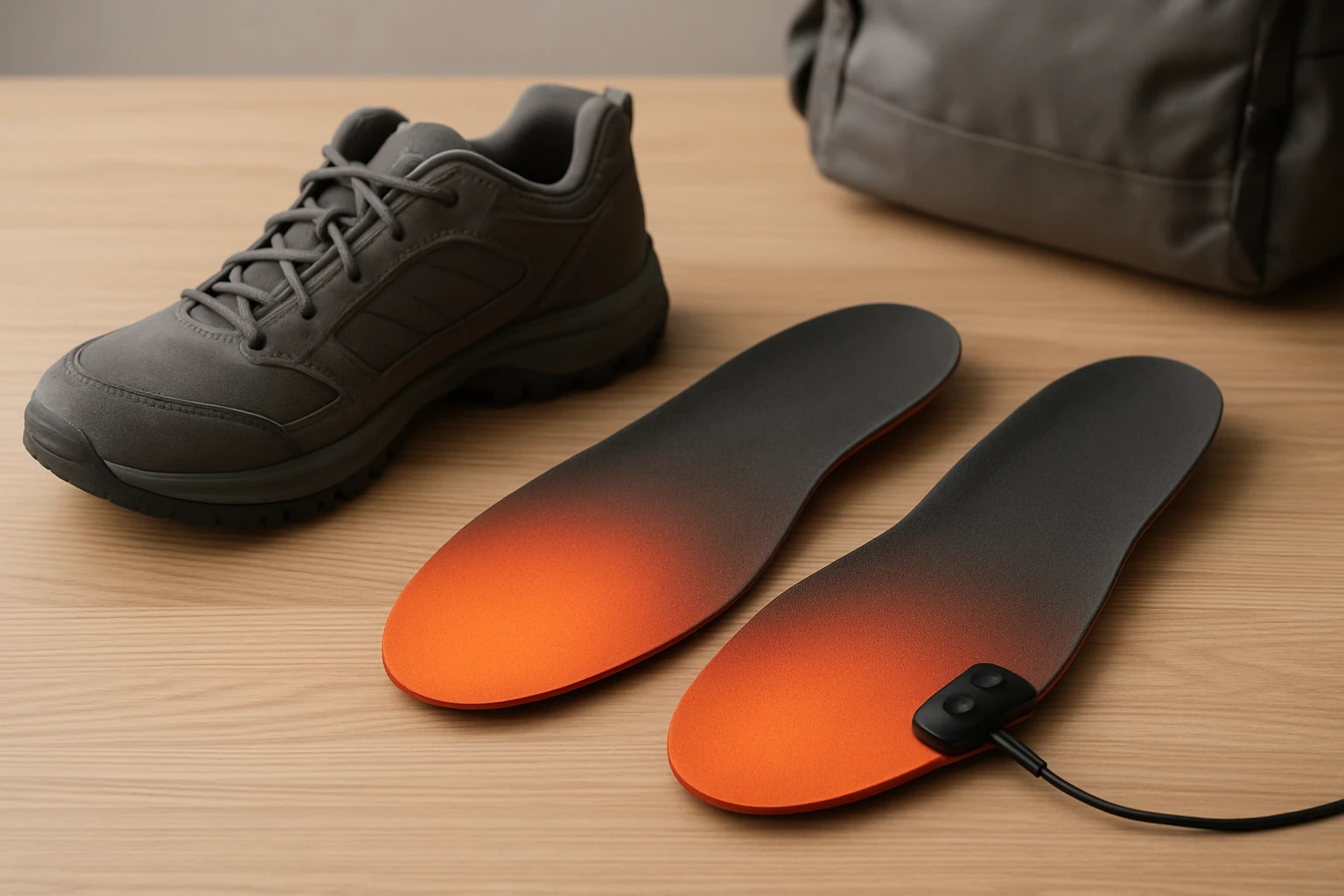
Longer expeditions often exceed the duration of disposable warmers, making rechargeable systems the logical choice. The WAMOVAL Rechargeable Heated Insoles feature dual 5000 mAh batteries, an app‑controlled temperature range of 86°F to 158°F, and a claimed battery life of more than eleven hours on the low setting. At $49.99 and a 4.0‑star rating from 84 reviews, they balance cost with advanced functionality.
Users praise the ability to adjust heat via a smartphone, noting, “App works flawlessly… I am super satisfied!” The waterproof construction and trim‑to‑fit design allow the insoles to be used in hiking boots, work boots, and even water‑resistant footwear, making them versatile for wet alpine environments.
-
Support‑Focused Insoles with Passive Warmth
While not electrically heated, high‑quality support insoles can improve circulation and reduce fatigue, indirectly contributing to warmth. The Superfeet Women's Hiking Insoles provide medium to high arch support, a carbon‑fiber stabilizer, and a moisture‑wicking top cover. Priced at $56.95 and rated 4.5 stars from 831 reviews, they are a premium option for hikers who prioritize foot health on rugged terrain.
One reviewer highlighted their performance on a demanding endurance hike, stating, “I never got sore feet… they kept my heel from sliding forward on steep inclines.” Although they do not generate heat, the improved biomechanics can help maintain peripheral warmth during long climbs.
-
Hybrid Approach: Combining Disposable Warmers with Support Insoles
Many ultralight backpackers find that a layered strategy yields the best results. Pairing the Everlasting Heat Insole Foot Warmers with the Superfeet Women's Hiking Insoles creates a system where the supportive insole maintains foot alignment while the disposable warmer supplies active heat. This combination adds minimal weight—each disposable pack weighs only a few grams, and the Superfeet insoles are lightweight yet sturdy.
Feedback from users who have tried this hybrid method indicates reduced foot fatigue and sustained warmth throughout multi‑day trips. The disposable warmers can be replaced nightly, ensuring fresh heat sources without the need for recharging.
-
Technology‑Driven Warmth for High‑Altitude Climbing
High‑altitude ascents demand reliable heat sources that function in extreme cold and low oxygen conditions. The WAMOVAL Rechargeable Heated Insoles excel in this scenario because their sealed battery compartment remains functional in sub‑zero temperatures, and the app allows climbers to set a higher temperature when needed. The non‑slip texture and calf‑mount strap keep the system stable inside rigid mountaineering boots.
Customers who have used these insoles for deer hunting in 20°F weather reported that the heat persisted throughout the day, even after intermittent breaks. The ability to charge both batteries simultaneously with a split cable reduces downtime on the mountain.
Comparison Table
| Product | Price | Heat Duration | Power Source | Rating |
|---|---|---|---|---|
| Everlasting Heat Insole Foot Warmers | $29.99 | 10+ hours | Air‑activated (disposable) | 4.3/5 (224) |
| Sport Temp Adhesive Toe Warmers | $36.99 | Up to 10 hours | Air‑activated (disposable) | 4.1/5 (1,918) |
| WAMOVAL Rechargeable Heated Insoles | $49.99 | 11+ hours (low) | Rechargeable batteries | 4.0/5 (84) |
| Superfeet Women's Hiking Insoles | $56.95 | Passive (no heat) | None (support only) | 4.5/5 (831) |
Conclusion
Choosing the right heated insole for ultralight backpacking hinges on the balance between weight, heat duration, and functionality. Disposable options such as Everlasting Heat Insole Foot Warmers excel for short trips and emergency kits, while rechargeable systems like WAMOVAL Rechargeable Heated Insoles provide sustained warmth for multi‑day expeditions. Support‑focused insoles such as Superfeet Women's Hiking Insoles can be paired with disposable warmers to create a hybrid solution that maximizes comfort without excessive bulk.
Backpackers are encouraged to assess the specific demands of their routes, climate, and pack weight limits before selecting a system. By integrating the products reviewed above, one can achieve reliable foot warmth, improved circulation, and overall enhanced performance on cold‑weather trails.
Frequently Asked Questions
What are the benefits of disposable heated insoles for ultralight backpacking?
They add virtually no weight, require no batteries, and provide instant, up‑to‑10‑hour warmth for emergency or short trips.
How long can rechargeable heated insoles operate on a single charge?
Most models deliver 4–8 hours of continuous heat, depending on temperature setting and battery capacity.
Can heated insoles be used in both boots and trail shoes?
Yes, most thin‑profile heated insoles fit standard hiking boots, snow boots, and even lightweight trail shoes.
What factors influence battery efficiency in heated insoles?
Battery size, heat setting, ambient temperature, and the insulation of the footwear all affect how long the power lasts.
Are heated insoles safe for use in extreme cold conditions?
When used as directed, they are safe and can reduce frostbite risk, but they should not replace proper layering and foot care.