Introduction
Ice climbing demands equipment that can withstand extreme cold while preserving dexterity and comfort. This guide explains how heated insoles can enhance performance and safety during frigid ascents. Readers will learn the science behind foot warming, the criteria for selecting the ideal pair, and actionable tips for optimal use. By the end, one will be equipped to make an informed purchase that matches personal climbing goals.
Background and Context
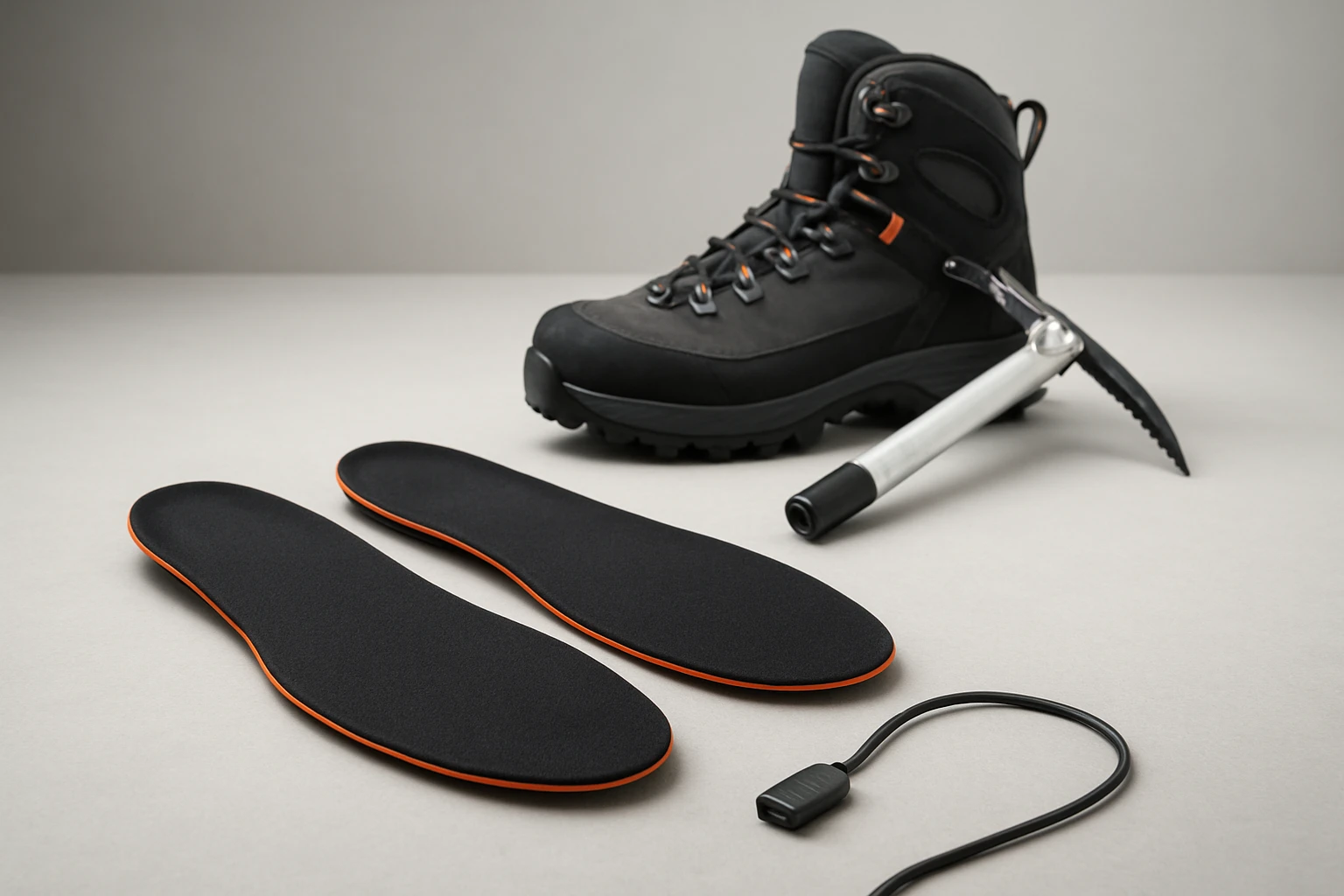
When temperatures drop below freezing, the human foot loses heat rapidly due to limited circulation and exposure to wind. Prolonged cold leads to reduced nerve conduction, loss of grip strength, and an increased risk of frostbite. Traditional solutions such as wool socks or chemical hand warmers provide only temporary relief and often add bulk. Heated insoles integrate battery‑powered heating elements directly into the shoe, delivering consistent warmth without sacrificing fit.
The technology behind modern heated insoles relies on flexible carbon fiber or heating wires embedded in a breathable substrate. A rechargeable battery powers the system, and most models allow temperature regulation via a smartphone app or built‑in controller. Safety features, such as external battery packs and automatic shut‑off timers, protect the wearer from overheating. Understanding these fundamentals helps climbers assess whether a specific product meets the rigorous demands of ice climbing.
Key Considerations for Ice Climbing
Before selecting a pair, climbers should evaluate several performance dimensions. First, heat output must be sufficient to maintain foot temperature in sub‑zero environments; a range of 104°F–158°F is generally adequate. Second, battery life is critical because climbs can last several hours; a minimum of four hours on high settings ensures continuous warmth. Third, fit and adjustability matter because climbing boots are often rigid and require precise insole dimensions. Fourth, durability and waterproofing protect the heating elements from snow, ice, and sweat. Finally, ease of control—whether through an app or a simple button—affects usability while wearing gloves.
These criteria form the basis of the comparison chart later in the guide. By weighting each factor according to personal priorities, one can narrow the field to a handful of suitable models. For many climbers, the balance between heat duration and battery weight is the most decisive factor, as extra mass can affect foot fatigue on long routes.
Recommended Product: Quunoot Heated Insoles
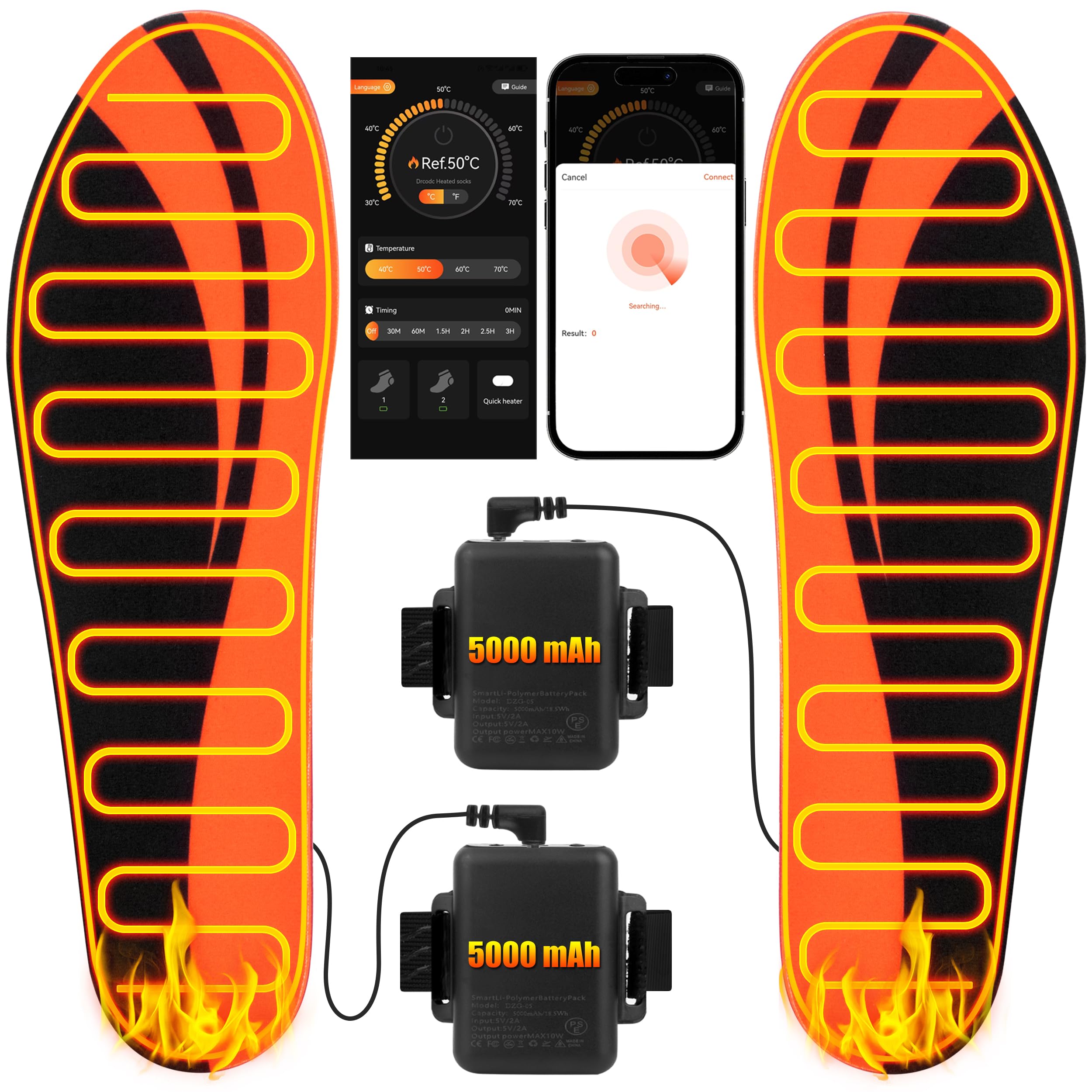
The Quunoot Heated Insoles offer a compelling blend of safety, controllability, and endurance for cold‑weather activities. Priced at $29.99, they feature an external battery pack secured to the calf with an elastic strap, eliminating bulk inside the shoe and reducing pressure points. The accompanying smartphone app enables users to select four heating levels ranging from 104°F to 158°F and set timers up to 180 minutes, providing granular control even while wearing gloves.
Powered by two 5,000 mAh rechargeable polymer batteries, the insoles deliver up to 11 hours of continuous warmth on the low setting and four hours on high, a performance envelope suitable for multi‑hour ice climbs. Constructed from soft OSNAI material, the insoles are breathable, washable (hand‑wash only), and can be trimmed along dotted lines to fit a wide range of boot sizes. With a rating of 3.4 out of 5 based on eight reviews, users highlight the reliable heat and convenient app, while noting that the external battery may feel cumbersome for some.
Comparison and Selection Guide
To assist climbers in choosing the right heated insole, the following table compares essential specifications across common categories. Although only the Quunoot model is detailed in this guide, the framework can be applied to other products when they become available.
| Feature | Quunoot Heated Insoles | Typical Competitor Range |
|---|---|---|
| Heat Range | 104°F–158°F (4 levels) | 95°F–150°F (2–4 levels) |
| Battery Capacity | 2 × 5,000 mAh (external) | 1 × 3,000–6,000 mAh (internal or external) |
| Runtime (High) | ≈4 hours | ≈2–5 hours |
| Runtime (Low) | ≈11 hours | ≈6–12 hours |
| Control Method | Smartphone app + manual button | App, remote, or button only |
| Fit Adjustability | Trim‑to‑size design | Pre‑cut sizes or trim‑to‑size |
| Water Resistance | Battery pack external, insole water‑resistant | Varies; many internal batteries not water‑proof |
| Price | $29.99 | $30–$80 |
| Rating (Amazon) | 3.4/5 (8 reviews) | 3.5–4.5/5 |
When evaluating alternatives, climbers should prioritize battery longevity and external placement, as internal batteries can be damaged by moisture common in ice climbing environments. The Quunoot model excels in providing a removable power pack that can be shielded with a waterproof cover, reducing the risk of short circuits. Additionally, the app’s timer function allows climbers to pre‑set heating intervals, conserving energy for the most demanding sections of a route.
Best Practices & Tips for Using Heated Insoles on the Ice
- Pre‑heat before the climb: Activate the insoles for 10–15 minutes while still in the base camp to ensure the feet start warm.
- Manage battery placement: Secure the external pack snugly against the calf using the elastic strap, then cover it with a waterproof sleeve to protect against spray and snow.
- Layer wisely: Wear moisture‑wicking liner socks beneath the insoles; avoid thick wool socks that can trap sweat and reduce heat transfer.
- Monitor temperature: Use the app’s battery‑level indicator to avoid unexpected power loss; set a low‑heat backup mode for emergencies.
- Trim for fit: Follow the dotted lines on the insoles to customize the shape for narrow climbing boots, ensuring no gaps that could cause friction.
- Maintain hygiene: Hand‑wash the insoles after each use, allow them to air‑dry completely, and store the battery pack separately to prolong lifespan.
By adhering to these practices, climbers can maximize warmth while minimizing the risk of equipment failure. Remember that heated insoles supplement, not replace, proper cold‑weather footwear and acclimatization strategies.
Frequently Asked Questions
- Can I use the Quunoot heated insoles inside rigid ice‑climbing boots? Yes; the trim‑to‑size design allows the insoles to conform to narrow boot interiors, and the external battery avoids adding bulk inside the boot.
- How long does a full charge take? Charging both 5,000 mAh batteries from empty to full typically requires 3–4 hours using the supplied USB‑C charger.
- Are the insoles safe for use in wet conditions? The heating elements are sealed, and the external battery can be protected with a waterproof cover, making them suitable for snow and occasional splashes.
- What happens if the battery runs out mid‑climb? The insoles will cease heating but remain comfortable; climbers should carry a spare battery pack or plan routes with rest periods for recharging.
- Do the insoles affect my boot’s flex? Because the battery is external, the insoles add minimal stiffness, preserving the natural flex required for precise foot placements.
- Can I control the temperature with gloves on? The app can be operated with touchscreen‑compatible gloves, and a manual button on the battery pack provides a quick low‑heat setting without needing the phone.
- Is there a warranty? Quunoot offers a one‑year limited warranty covering manufacturing defects for the insoles and battery pack.
Conclusion
Heated insoles represent a valuable advancement for ice climbers seeking consistent foot warmth without compromising mobility. The Quunoot Heated Insoles combine an external battery design, robust app control, and long runtime at a competitive price, making them a strong candidate for most cold‑weather ascents. By evaluating heat output, battery life, fit, and durability, climbers can select a pair that aligns with their specific routes and environmental conditions. Implementing the best‑practice tips ensures that the technology enhances safety and performance, allowing climbers to focus on technique rather than discomfort.
Products Featured in This Guide
Quunoot Heated Insoles
Price: $29.99
Rating: 3.4/5 (8 reviews)
Featured because it provides an external battery for reduced bulk, app‑based temperature control, and up to 11 hours of low‑heat runtime—attributes essential for prolonged ice‑climbing sessions.