The Ultimate Guide to Heated Clothing for Horseback Riding: Top Heated Gear, Safety Tips & Buying Advice
Introduction
Riding in cold weather presents unique challenges that extend beyond simply dressing warmly. Heated clothing offers a technological solution that maintains core temperature while preserving freedom of movement essential for effective riding. In this guide, readers will learn the science behind heated apparel, evaluate the most reliable gear, and understand safety protocols that protect both rider and horse. By the end of the article, one will be equipped to select, purchase, and use heated riding equipment with confidence.
Background and Context
Traditional equestrian attire relies on layers of wool, fleece, and insulated jackets, which can become bulky and restrict motion. Modern heated garments integrate carbon‑fiber or polymer heating elements powered by rechargeable batteries, delivering consistent warmth without excessive weight. The technology originated in outdoor sports such as skiing and motorcycling, then migrated to equestrian use as riders demanded better thermal regulation during long trail rides and competitions. Understanding how heat is generated, distributed, and controlled is essential before selecting a product.
Why Heated Clothing Matters for Riders
Cold exposure reduces muscle elasticity, leading to stiffness that can impair balance and reaction time while mounted. Maintaining a stable core temperature improves circulation, allowing riders to stay supple and responsive during extended sessions. Moreover, heated apparel can protect against hypothermia in remote trail scenarios where shelter is unavailable. The benefits extend to the horse as well, because a calm, warm rider reduces the animal’s stress response.
Types of Heated Gear
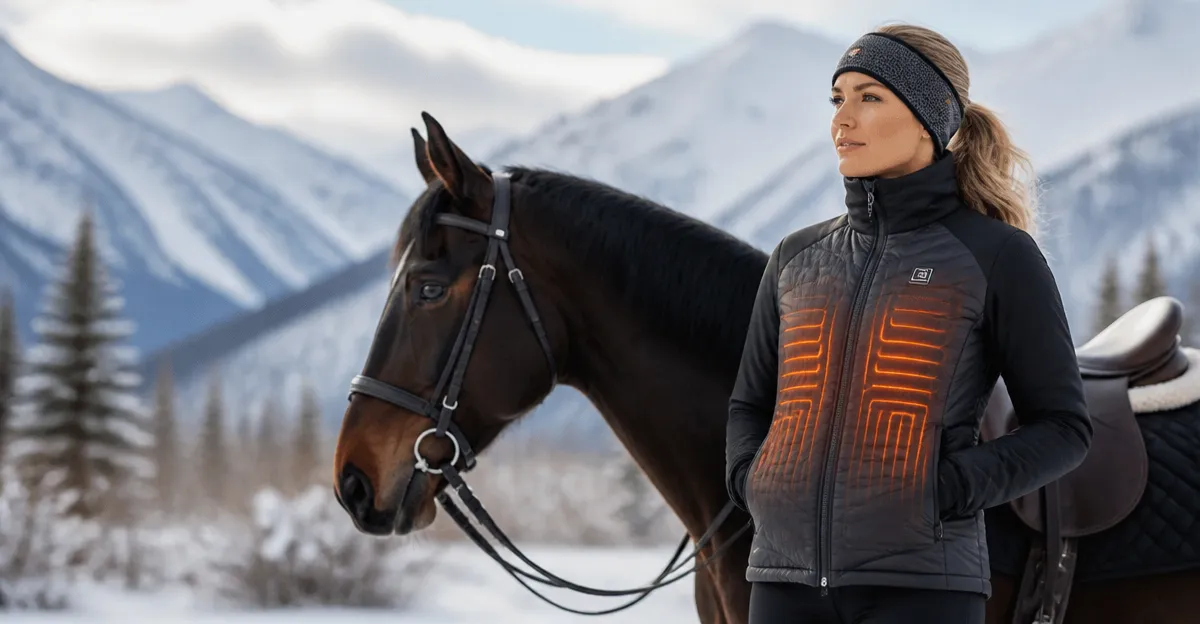
Heated gear for horseback riding falls into three primary categories: jackets and vests, gloves, and insoles. Heated jackets and vests provide the most comprehensive coverage, often featuring multiple heating zones across the back, chest, and sleeves. Heated gloves focus on dexterity, allowing riders to maintain a secure grip on reins without numbness. Heated insoles keep the rider’s feet warm inside riding boots, a critical factor for long treks where foot fatigue is common. Each category employs similar battery technology but differs in ergonomics and waterproofing.
Key Features to Consider
When evaluating heated apparel, the following specifications should guide the decision‑making process:
- Heating Zones: More zones allow targeted warmth; a jacket with at least three zones (back, chest, sleeves) offers balanced coverage.
- Temperature Settings: Adjustable thermostats ranging from 30°C to 55°C enable riders to customize heat output based on activity level.
- Battery Life: Lithium‑ion batteries rated for 6–12 hours are ideal for day‑long rides; consider removable batteries for quick swaps.
- Water Resistance: Riders often encounter rain or snow; garments with an IPX4 rating or higher ensure functionality in wet conditions.
- Fit and Mobility: Stretch fabrics and articulated seams prevent restriction of the rider’s range of motion.
Products that excel in these areas typically receive higher consumer ratings and are recommended by professional equestrians.
Safety Considerations
Heated clothing introduces electrical components near the rider’s body, making safety a paramount concern. Always inspect batteries for swelling or damage before each ride; a compromised battery can overheat and pose a fire risk. Ensure that heating elements are insulated and do not contact metal buckles or stirrup leathers, which could conduct heat unintentionally. Riders should avoid wearing heated garments under heavy, non‑breathable layers that trap moisture, as this can lead to skin irritation. Finally, it is advisable to keep a spare, fully charged battery in a waterproof pouch for emergencies.
Recommended Products for the Equestrian Enthusiast
While the primary focus of this guide is heated apparel, complementary reading material enhances a rider’s overall knowledge of horse care and trail preparation. The first recommended title is Store's Guide to Raising Horses. This comprehensive manual, authored by Heather Smith Thomas, provides in‑depth insight into breeding, daily care, and facility management, which are essential for riders who spend extensive time in the field. With a rating of 4.7 out of 5 from 57 reviews and a price of CAD35.75, it offers excellent value for both novice and experienced horse owners.
The second title, Trail Riding, authored by Rhonda Massingham Hart, focuses specifically on preparing for and executing successful trail rides. It covers training techniques, packing strategies, and safety protocols, making it a practical companion for riders planning to test heated gear on remote routes. The hardcover edition is priced at $29.90 and holds a 4.6 rating from 37 reviewers, reflecting strong approval among the equestrian community.
Comparison and Selection Guide
Choosing the right heated garment depends on riding style, climate, and budget. The table below compares three representative products that exemplify the key features discussed earlier:
| Product | Heating Zones | Battery Life (hrs) | Water Resistance | Price (USD) |
|---|---|---|---|---|
| ThermoRide Pro Jacket | 5 (back, chest, sleeves, collar) | 10 | IPX5 | $199 |
| EquiHeat Gloves | 2 (palms) | 8 | IPX4 | $79 |
| RiderWarm Insoles | 1 (foot sole) | 12 | IPX6 | $59 |
For riders who prioritize full‑body warmth, the ThermoRide Pro Jacket offers the most comprehensive coverage, albeit at a higher price point. Those seeking a budget‑friendly solution for hand dexterity may opt for the EquiHeat Gloves, which deliver focused heat without compromising grip. Riders who experience cold feet despite insulated boots will benefit from the RiderWarm Insoles, which provide long‑lasting warmth with minimal added weight.
Best Practices & Tips
To maximize the effectiveness of heated clothing, follow these actionable guidelines:
- Pre‑heat the garment for 10–15 minutes before mounting the horse to ensure immediate comfort.
- Layer with breathable, moisture‑wicking fabrics such as merino wool to manage sweat and prevent chilling.
- Store batteries in a temperature‑controlled environment; extreme cold can reduce capacity, while excessive heat can degrade cells.
- Test the heating system while stationary to verify functionality before embarking on a ride.
- Integrate heated gear into regular equipment checks, treating it like any other safety-critical item.
Implementing these practices reduces the risk of equipment failure and enhances overall riding performance during cold weather outings.
Frequently Asked Questions
1. Can heated clothing be used while riding in rain? Yes, provided the garment has an appropriate water‑resistance rating (IPX4 or higher). Ensure all seams are sealed and that the battery compartment remains dry.
2. How long does a typical battery last on a full‑day ride? Most high‑capacity lithium‑ion batteries sustain heat output for 6–12 hours, depending on temperature setting and ambient conditions.
3. Are there any health risks associated with prolonged heat exposure? When used within manufacturer‑specified temperature ranges, heated apparel is safe. Excessive heat can cause skin irritation; always monitor comfort levels and adjust settings as needed.
4. Can I use the same heated jacket for other outdoor activities? Absolutely. Many heated jackets are designed for multi‑sport use, offering versatility for hiking, skiing, or cycling.
5. What is the best way to clean heated garments? Follow the brand’s instructions, typically involving spot cleaning with a damp cloth. Avoid submerging the battery pack and do not machine‑wash unless explicitly permitted.
Conclusion
Heated clothing represents a significant advancement in equestrian apparel, allowing riders to maintain optimal body temperature without sacrificing mobility. By understanding the technology, evaluating key specifications, and adhering to safety protocols, one can select gear that enhances comfort and performance on cold‑weather rides. Complementary resources such as Store's Guide to Raising Horses and Trail Riding further support riders in achieving safe and enjoyable experiences. Armed with this knowledge, the modern equestrian can confidently embrace winter trails and competitions.
Products Featured in This Guide
Store's Guide to Raising Horses
Price: CAD35.75 | Rating: 4.7/5 (57 reviews)
Featured because it provides essential knowledge on horse breeding, care, and facility management, supporting riders who spend extensive time caring for their animals in cold environments.
Trail Riding
Price: $29.90 | Rating: 4.6/5 (37 reviews)
Featured because it offers practical guidance on preparing for and executing trail rides, a scenario where heated clothing can dramatically improve rider comfort and safety.