How to Prevent Overheating in Battery‑Heated Clothing: Essential Guide for Temperate Climates
Introduction
Battery‑heated garments have transformed outdoor activities by providing on‑demand warmth. However, in temperate climates the same technology can cause discomfort or even safety concerns when heat builds up faster than the body can dissipate it. This guide explains the science behind overheating, outlines practical strategies to stay comfortable, and recommends products that incorporate safety‑focused features. Readers will learn how to select the right heated apparel, adjust settings for mild weather, and maintain their gear for long‑term reliability.
Background and Context
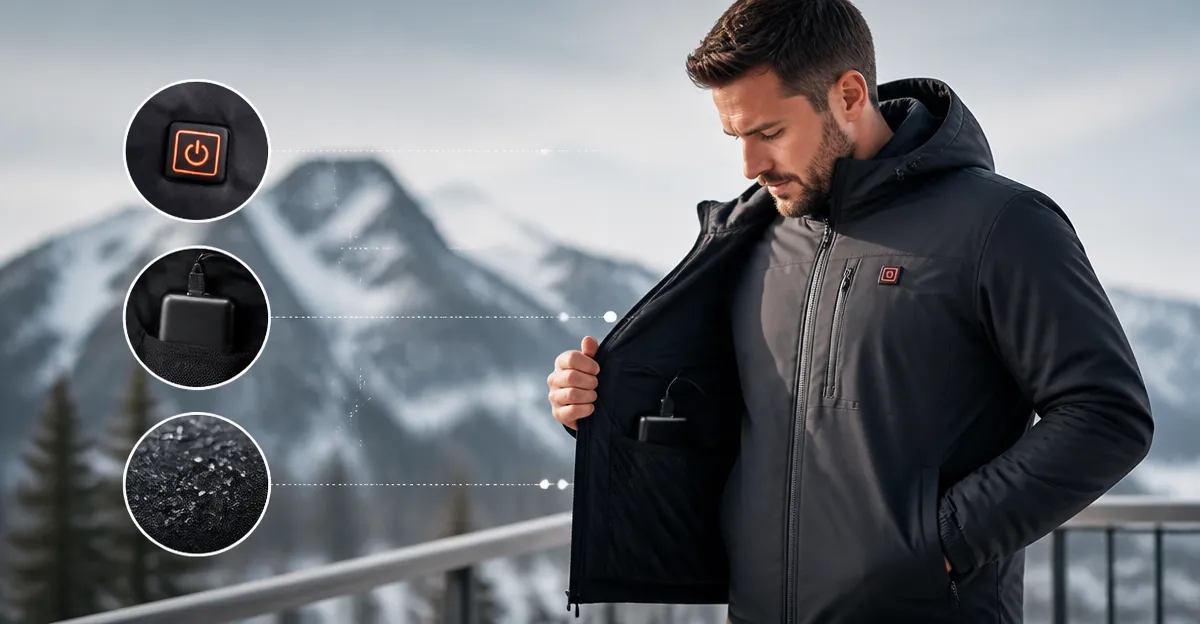
Heated clothing relies on electric heating elements, typically carbon fiber or metal alloy strips, powered by a USB‑compatible battery pack. The elements generate heat through resistance, and the amount of heat depends on voltage, current, and the duration of activation. In cold environments the body benefits from this supplemental warmth, but in moderate temperatures the same heat can raise skin temperature beyond the optimal 33‑35 °C range, leading to sweating, skin irritation, or, in extreme cases, burns.
Key variables that influence overheating include:
- Heating level: Most garments offer three to five selectable levels, each delivering a different wattage.
- Battery output: Power banks with 2 A or higher output can drive elements more aggressively.
- Insulation and fit: Tight, wind‑proof fabrics trap heat, while breathable layers allow excess warmth to escape.
- Activity level: Physical exertion generates body heat, reducing the need for high garment settings.
Understanding these factors enables users to balance comfort and safety.
Choosing the Right Heated Garment for Mild Weather
When temperatures hover between 10 °C and 20 °C, a lightweight heated vest often provides the ideal solution. The following products excel in this range because they combine adjustable heating zones, low‑profile designs, and user‑friendly controls.
Key Considerations
- Multiple heating zones: Allows selective warming of core areas while leaving extremities cooler.
- Low‑power mode: Extends battery life and reduces heat output for temperate days.
- Removable hood or layers: Offers flexibility to add or remove insulation as conditions change.
Below are three heated vests that meet these criteria.
Product Recommendations
The first mention of each product includes a direct Amazon link.
- DR.PREPARE Heated Vest – This unisex vest features six carbon‑fiber elements, three temperature settings (Low 113 °F, Medium 122 °F, High 131 °F), and an adjustable zipper system that accommodates a wide range of body types. Its lightweight polyester construction and removable hood make it suitable for mild climates where users may only need low‑level heat for short periods.
- KOVNLO Women’s Heated Vest – Designed specifically for women, this vest incorporates a 5‑in‑1 smart controller with three independent heating zones and a “lights‑out” mode that conserves power. The slim cut and elastic hem provide a flattering fit without adding bulk, ideal for activities such as brisk walking or early‑morning cycling.
- ORORO Women’s Heated Vest – Featuring four heating zones and a rechargeable 4800 mAh battery, this vest delivers up to ten hours of low‑level warmth. The FELLEX insulation offers lightweight thermal retention, while the built‑in battery eliminates the need for an external power bank, simplifying temperature management in temperate weather.
Comparison and Selection Guide
| Feature | DR.PREPARE Heated Vest | KOVNLO Women’s Heated Vest | ORORO Women’s Heated Vest |
|---|---|---|---|
| Heating Levels | 3 (Low/Medium/High) | 3 (Low/Medium/High) + Lights‑out | 3 (Low/Medium/High) |
| Heating Zones | 6 zones (neck, back, abdomen, waist) | 8 zones (neck, core, hands) | 4 zones (collar, mid‑back, pockets) |
| Power Source | USB‑C, external power bank (not included) | USB‑A, compatible with most power banks (not included) | Integrated 4800 mAh rechargeable battery |
| Weight | Lightweight polyester | 100 % Nylon, wind‑resistant | Lightweight with FELLEX insulation |
| Price (USD) | 54.99 | 49.99 | 149.99 |
| Average Rating | 4.1/5 (1,140 reviews) | 4.4/5 (544 reviews) | 4.5/5 (11,107 reviews) |
For temperate climates, the KOVNLO Women’s Heated Vest often provides the best balance of power efficiency and fit, thanks to its low‑power “lights‑out” mode and slim silhouette. Users who prefer an all‑in‑one solution without a separate power bank may favor the ORORO Women’s Heated Vest, despite its higher price point.
Best Practices & Tips to Prevent Overheating
- Start at the lowest setting: Begin with the vest’s low level and increase only if you feel a chill.
- Utilize zone control: Activate heating only in areas that feel cold; many vests allow independent zone activation.
- Layer strategically: Wear a breathable base layer (e.g., moisture‑wicking shirts) beneath the heated vest to allow sweat to escape.
- Monitor duration: Limit continuous use to 30‑45 minutes in mild weather; take short breaks to let skin temperature normalize.
- Leverage automatic timers: Some models, such as the DR.PREPARE Heated Vest, include a 150‑minute auto‑shutoff that prevents prolonged exposure.
- Stay hydrated: Proper hydration helps the body regulate temperature more effectively.
- Inspect battery health: Degraded batteries can deliver inconsistent voltage, potentially causing sudden spikes in heat.
Applying these habits ensures that the garment provides comfort without crossing the threshold into overheating.
FAQ
1. Can I wear a heated vest while exercising?
Yes, but limit the setting to low and monitor sweat. Over‑exertion generates body heat, so the vest’s heat may become redundant and cause discomfort.
2. How do I know if my battery pack is too powerful?
If the pack supplies more than 2.4 A, the heating elements may reach higher temperatures faster than intended. Use a pack that matches the manufacturer’s recommended output (2 A‑2.4 A).
3. Are heated garments waterproof?
Most are water‑resistant, not fully waterproof. For rainy conditions, wear a waterproof outer shell over the heated piece.
4. What is the safest way to wash a heated vest?
Remove the battery, place the garment in a laundry bag, and use a gentle cycle. Hang dry in a ventilated area; avoid tumble drying.
5. Can I use the vest’s heating elements without a battery?
Some models, such as the DR.PREPARE Adjustable Heated Vest, include a USB‑type port that can connect directly to a wall adapter for short periods, but continuous use requires a battery.
6. How long will a typical battery last on low heat?
Low‑level operation generally provides 5‑8 hours of warmth on a 10,000 mAh power bank (as noted for the DR.PREPARE Heated Vest) and up to 10 hours on the built‑in 4800 mAh battery of the ORORO Vest.
7. Is it safe to wear heated clothing while sleeping?
Only if the garment includes an auto‑shutoff timer. Continuous low‑level heat is acceptable for short naps, but prolonged exposure may cause overheating.
Conclusion
Preventing overheating in battery‑heated clothing requires an understanding of heat generation, careful selection of garments with adjustable zones, and disciplined usage habits. By choosing a vest that matches activity level, climate, and personal fit—such as the KOVNLO Women’s Heated Vest for a sleek, low‑power option, or the ORORO Women’s Heated Vest for an integrated battery solution—users can enjoy reliable warmth without compromising safety. Implement the best‑practice tips outlined above, maintain the equipment regularly, and stay aware of environmental conditions to maximize comfort in temperate climates.
Products Featured in This Guide
DR.PREPARE Heated Vest
Price: $54.99 | Rating: 4.1/5 (1,140 reviews)
Featured for its six carbon‑fiber heating elements, three temperature levels, and adjustable zipper system that suits a wide range of body types, making it a versatile choice for mild climates.
KOVNLO Women’s Heated Vest
Price: $49.99 | Rating: 4.4/5 (544 reviews)
Highlighted for its 5‑in‑1 smart controller, independent heating zones, and low‑power “lights‑out” mode, which conserves battery life during temperate weather.
ORORO Women’s Heated Vest
Price: $149.99 | Rating: 4.5/5 (11,107 reviews)
Selected for its integrated rechargeable battery, FELLEX insulation, and four‑zone heating system that delivers up to ten hours of low‑level warmth without an external power bank.
WEERTI Thermal Underwear Set
Price: $29.99 | Rating: 4.6/5 (14,072 reviews)
Included as a base‑layer option that works synergistically with heated vests, providing moisture‑wicking, four‑way stretch comfort for active users.
DR.PREPARE Adjustable Heated Vest
Price: $39.99 | Rating: 4.1/5 (3,340 reviews)
Featured for its 10 heating zones, dual‑button control, and expandable side zippers that allow precise fit adjustments, offering a budget‑friendly alternative for users seeking extensive coverage.
Frequently Asked Questions
What causes battery‑heated clothing to overheat in temperate climates?
Heat builds up when the heating elements generate more warmth than the body can dissipate, raising skin temperature above the optimal 33‑35 °C range.
How can I adjust the settings of heated garments to avoid overheating?
Use lower temperature settings or shorter activation intervals, and turn the battery off when you start feeling warm.
What safety features should I look for when buying heated apparel?
Choose products with automatic shut‑off timers, temperature regulators, and insulated battery packs that prevent excess heat transfer.
How often should I maintain or inspect the battery pack and heating elements?
Inspect the battery and elements before each season and clean contacts monthly to ensure consistent performance and prevent hotspots.
Can I safely wear heated clothing while exercising in mild weather?
Yes, but keep the heat setting low, monitor your skin temperature, and remove the garment if you begin to sweat heavily.