Introduction
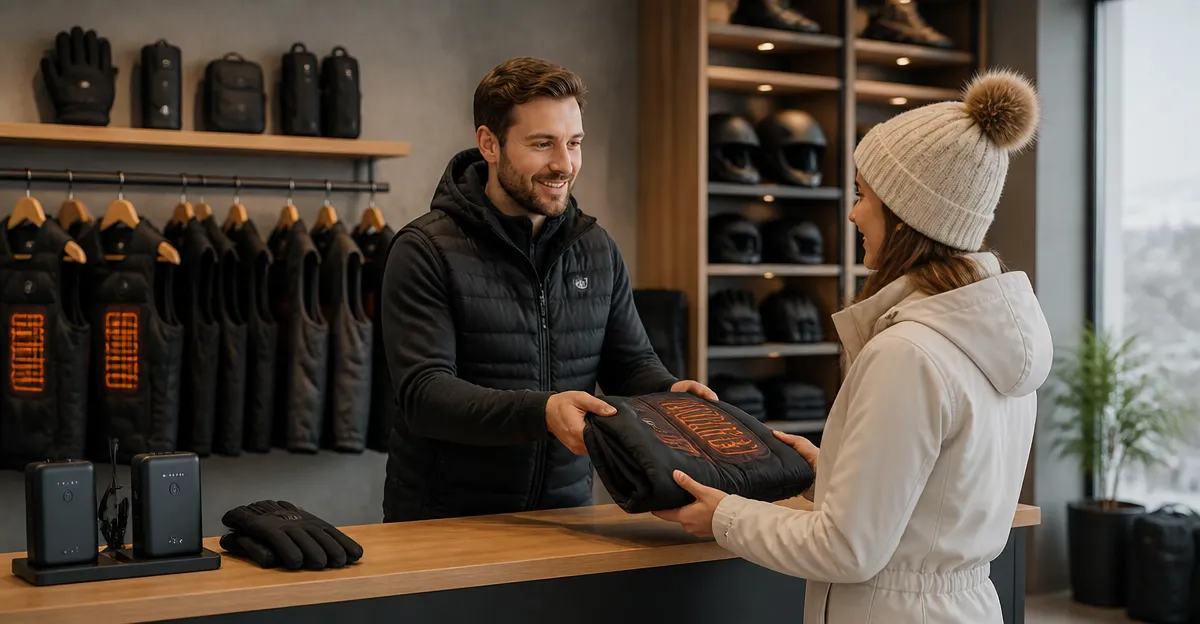
One will discover a comprehensive roadmap for establishing a heated gear rental enterprise. The guide outlines market evaluation, inventory acquisition, operational logistics, and revenue maximization. Readers will learn how to select appropriate heated apparel, price rental packages, and attract a steady client base. The objective is to empower entrepreneurs to launch a profitable venture with confidence.
Background and Context
Heated clothing has become essential for outdoor workers, winter sports enthusiasts, and cold‑weather tourists. Battery‑powered heating elements generate warmth in targeted zones, reducing the risk of hypothermia and improving comfort. The technology relies on thin carbon or metal‑foil heating pads, insulated wiring, and rechargeable lithium‑ion batteries. Understanding these components enables one to assess product durability, safety certifications, and maintenance requirements.
Planning Your Heated Gear Rental Business
Effective planning begins with a clear business model. One should decide whether to operate a storefront, a mobile pop‑up, or an online reservation system. Target markets may include ski resorts, construction sites, event venues, and adventure tour operators. Conducting a SWOT analysis (Strengths, Weaknesses, Opportunities, Threats) helps to identify competitive advantages and potential challenges.
Financial forecasting requires estimating capital expenditures, recurring costs, and projected revenue. Capital outlay typically includes inventory purchase, charging stations, storage racks, and branding materials. Recurring expenses cover electricity for charging, cleaning supplies, insurance, and staff wages. A break‑even analysis reveals the minimum rental volume needed to achieve profitability.
Legal compliance is essential. One must obtain a business license, liability insurance, and, if applicable, permits for operating at public recreation areas. Safety guidelines should be posted for customers, emphasizing proper battery handling and temperature settings.
Inventory Selection
Choosing reliable heated apparel is critical for customer satisfaction and repeat business. The following products represent a balanced portfolio for a rental operation.
- ORORO Heated Vest – a lightweight fleece vest with four heating zones, built‑in battery, and a soft collar. It is priced at $119.99 and holds a 4.5‑star rating from 2,812 reviews.
- Venustas Dual‑Control Heated Vest – a durable 12 V vest offering independent temperature control for front and back zones. It costs $159.99 and carries a 4.6‑star rating from 109 reviews.
- WEERTI Thermal Long Johns – fleece‑lined base layer providing passive insulation for legs and torso. It is priced at $28.99 and enjoys a 4.5‑star rating from 13,932 reviews.
Each item offers distinct features that address varying customer needs. The ORORO vest excels in lightweight versatility, the Venustas model provides advanced temperature customization, and the WEERTI long johns supply affordable foundational warmth.
Comparison and Selection Guide
| Feature | ORORO Heated Vest | Venustas Dual‑Control Vest | WEERTI Thermal Long Johns |
|---|---|---|---|
| Heating Zones | 4 (collar, chest, back, abdomen) | 2 (front, back) with separate controls | None (passive insulation) |
| Power Source | Integrated 2000 mAh battery | External 12 V battery pack | None |
| Weight | Lightweight fleece | Durable polyester blend | Soft fleece |
| Price | $119.99 | $159.99 | $28.99 |
| Average Rating | 4.5 / 5 (2,812 reviews) | 4.6 / 5 (109 reviews) | 4.5 / 5 (13,932 reviews) |
| Ideal Use | Daily wear, light outdoor activities | Winter work, high‑intensity outdoor tasks | Base layer for extreme cold |
When selecting inventory, one should match product capabilities with the target demographic. For resort‑based rentals, the ORORO vest provides a comfortable, low‑profile option. Construction‑site rentals benefit from the rugged, dual‑control Venustas vest. Budget‑conscious tourists may prefer the inexpensive yet warm WEERTI long johns as a complementary item.
Operational Workflow
- Receive inventory shipments and inspect each unit for defects.
- Charge all battery‑powered garments to full capacity using dedicated charging stations.
- Label each item with a QR code that links to a rental agreement and maintenance log.
- Store garments on ventilated racks to prevent moisture buildup.
- Train staff on safe battery handling, temperature setting instructions, and cleaning procedures.
- Implement a reservation system that tracks rental periods, returns, and billing.
- Perform post‑rental inspections, recharge batteries, and launder garments as required.
Adhering to this workflow reduces equipment downtime and ensures a consistent customer experience.
Marketing Strategies
Effective promotion relies on both digital and local outreach. One should develop a brand identity that emphasizes warmth, safety, and convenience.
- Search Engine Optimization (SEO): Create blog posts about winter safety, gear maintenance, and destination guides that incorporate keywords such as "heated clothing rental" and "cold‑weather gear hire".
- Social Media Advertising: Use short video demonstrations of the ORORO Heated Vest and Venustas Dual‑Control Vest in action. Highlight the battery life, temperature zones, and user comfort.
- Partnerships: Collaborate with ski schools, outdoor adventure companies, and construction firms to offer bundled rental packages.
- Referral Programs: Provide discounts to customers who refer friends or repeat rentals within the same season.
Tracking key performance indicators such as conversion rate, average rental duration, and customer acquisition cost enables continuous optimization of marketing spend.
Best Practices & Tips
- Maintain a detailed inventory spreadsheet that records purchase date, battery health, and last service date for each garment.
- Offer tiered pricing: hourly, daily, and weekly rates to accommodate diverse rental periods.
- Include a brief user manual with each rental, outlining safe temperature settings, battery charging instructions, and cleaning guidelines.
- Schedule regular battery health checks; replace batteries that retain less than 80% of original capacity to avoid performance issues.
- Invest in a climate‑controlled storage area to preserve fabric integrity and battery longevity.
- Gather customer feedback after each rental to identify product improvements and service enhancements.
Frequently Asked Questions
What is the typical battery life for heated vests?
Battery life varies by heat setting and ambient temperature. The ORORO Heated Vest provides up to 8 hours on low, while the Venustas Dual‑Control Vest can sustain 6–7 hours on medium settings. Users should fully charge garments before each rental.
Are heated garments safe for individuals with medical conditions?
One should consult a healthcare professional before using heated clothing if the individual has circulatory disorders, diabetes, or skin sensitivities. The garments feature automatic shut‑off timers that reduce the risk of overheating.
How often must the heated gear be cleaned?
After each rental, the outer fabric should be spot‑cleaned, and the interior should be aired out. Machine washing is permissible for the WEERTI Thermal Long Johns on a gentle cycle, but heated vests require hand washing to protect the wiring.
Can the batteries be replaced?
Both the ORORO and Venustas models use replaceable lithium‑ion batteries. Replacement kits are available from the manufacturers and should be installed by trained personnel.
What insurance coverage is recommended?
General liability insurance protects against third‑party injury claims, while property insurance covers loss or damage to the inventory. Some insurers also offer equipment breakdown coverage for battery failures.
How does one set competitive rental prices?
Analyze local market rates for similar outdoor equipment, factor in the cost of goods sold, and add a margin that covers overhead and profit. Seasonal pricing adjustments can capture higher demand during peak winter months.
Is it necessary to offer accessories such as gloves or socks?
Providing complementary accessories enhances the perceived value of the rental package and can generate additional revenue. Items such as insulated gloves, thermal socks, and portable power banks are popular add‑ons.
Conclusion
Launching a heated gear rental business requires diligent market research, strategic inventory selection, and robust operational procedures. By leveraging reliable products such as the ORORO Heated Vest, Venustas Dual‑Control Heated Vest, and WEERTI Thermal Long Johns, one can meet diverse customer needs while maintaining high safety standards. Consistent marketing, meticulous maintenance, and attentive customer service will drive repeat business and sustainable profit.
Products Featured in This Guide
ORORO Heated Vest
Price: $119.99
Rating: 4.5 / 5 (2,812 reviews)
Featured because it offers lightweight comfort, four heating zones, and an integrated battery, making it ideal for daily wear rentals.
Venustas Dual‑Control Heated Vest
Price: $159.99
Rating: 4.6 / 5 (109 reviews)
Featured because its dual‑zone temperature control and rugged construction suit demanding outdoor work environments.
WEERTI Thermal Long Johns
Price: $28.99
Rating: 4.5 / 5 (13,932 reviews)
Featured because it provides affordable, fleece‑lined insulation that complements heated outerwear for comprehensive warmth.