Cold Chamber Testing Protocols for Heated Clothing: A Complete Guide to Procedures, Standards, and Best Practices
Introduction
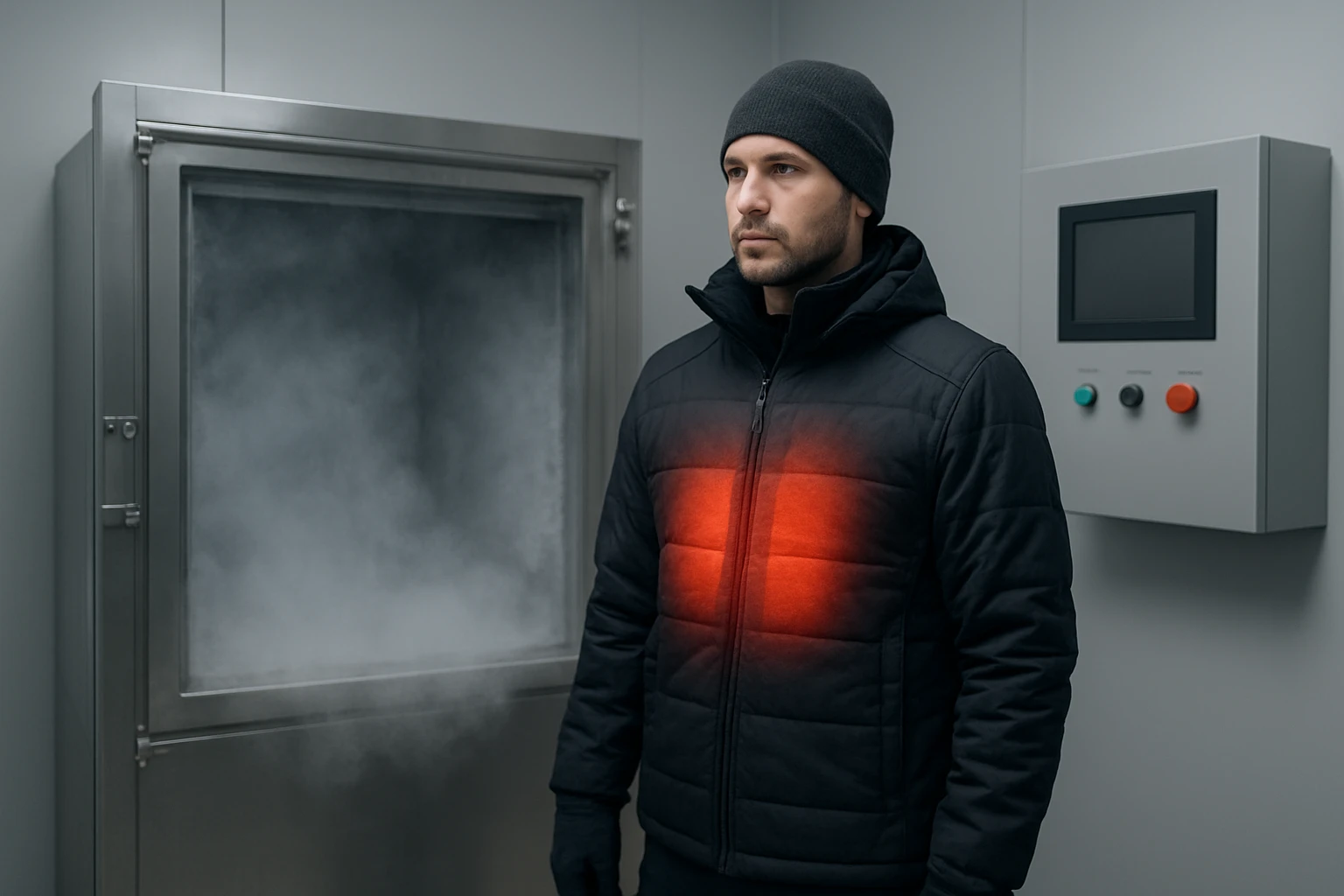
Cold chamber testing is a critical process for validating the performance, safety, and durability of heated garments. This guide explains the scope of cold chamber testing, outlines the standards that govern it, and provides step‑by‑step procedures that laboratories and manufacturers can follow. Readers will learn how to design test plans, interpret results, and select appropriate heated apparel for extreme‑environment applications.
In addition to theoretical foundations, the guide integrates practical product recommendations that illustrate how well‑designed heated clothing can meet rigorous test criteria. By the end of the article, one will be equipped to conduct reliable cold‑chamber evaluations, choose suitable products, and apply best‑practice tips to ensure user safety and comfort.
Background and Context
Heated clothing incorporates electrical heating elements, power sources, and temperature‑control circuitry to maintain body warmth in sub‑zero conditions. The technology is widely used by outdoor workers, military personnel, and winter‑sports enthusiasts. Because electrical components operate within a thermal envelope, they must be tested under controlled low‑temperature environments to verify that they function as intended without compromising insulation or causing hazards.
Key regulatory frameworks include the International Electrotechnical Commission (IEC) 60335‑2‑24 for electric heating apparel, ASTM F2733 for thermal performance of personal protective equipment, and ISO 12402‑5 for personal flotation devices that incorporate heating. Understanding these standards helps laboratories develop test matrices that address temperature range, humidity, power consumption, and cycle durability.
Cold chambers simulate ambient temperatures ranging from -40 °C to -70 °C while allowing precise control of humidity and airflow. They also enable the measurement of heating element response time, temperature uniformity, and battery performance under stress. Proper calibration of sensors and data‑logging equipment is essential to produce repeatable, auditable results.
Test Planning and Preparation
Effective test planning begins with defining the objectives of the evaluation. Common objectives include verifying that the garment reaches a target temperature within a specified time, confirming that the heating system operates safely at the lowest anticipated ambient temperature, and assessing battery life under continuous heating.
Key steps in test preparation are:
- Identify applicable standards (IEC, ASTM, ISO) and extract relevant test parameters.
- Select representative sample sizes—typically three to five units per model to account for manufacturing variability.
- Prepare instrumentation: calibrated thermocouples, data loggers, power meters, and safety shut‑off devices.
- Develop a test matrix that includes temperature set points (e.g., 0 °C, -20 °C, -40 °C), humidity levels (30 % to 80 % RH), and heating duration (30 min, 2 h, 8 h).
Documenting the test plan in a standard operating procedure (SOP) ensures repeatability and facilitates regulatory audits.
Execution of Cold Chamber Tests
During execution, each garment is placed on a mannequin or a calibrated thermal manikin to mimic human heat loss. The heating element is activated according to the manufacturer’s recommended settings. Sensors record surface temperature, internal temperature of the heating layer, and power draw at one‑second intervals.
Critical observations include:
- Ramp‑up time: the period required for the garment to achieve the target temperature.
- Temperature uniformity: variance across different zones of the garment, which should remain within ±2 °C for comfort.
- Power stability: fluctuations that may indicate battery degradation or controller issues.
- Safety triggers: automatic shut‑off activation when temperatures exceed safe limits (typically 45 °C for skin contact).
After each test cycle, the garment is allowed to return to ambient temperature before the next cycle begins. This prevents cumulative heating effects that could skew results.
Data Analysis and Reporting
Collected data are exported to spreadsheet software for statistical analysis. Mean ramp‑up times, standard deviations, and confidence intervals are calculated to assess consistency. Graphs illustrating temperature vs. time curves help visualize performance across different ambient conditions.
Reports must include:
- Test objectives and standards referenced.
- Equipment specifications and calibration certificates.
- Detailed test matrix and environmental conditions.
- Results with quantitative metrics and compliance statements.
- Observations of any anomalies, such as uneven heating or premature battery shutdown.
Compliance with IEC 60335‑2‑24, for example, requires that the garment does not exceed the maximum skin temperature limit for more than 10 minutes during continuous operation.
Recommended Products for Cold‑Chamber Validation
While the testing protocol applies to all heated garments, certain products exemplify design choices that facilitate compliance. The following items are highlighted for their robust construction, reliable heating elements, and positive user feedback.
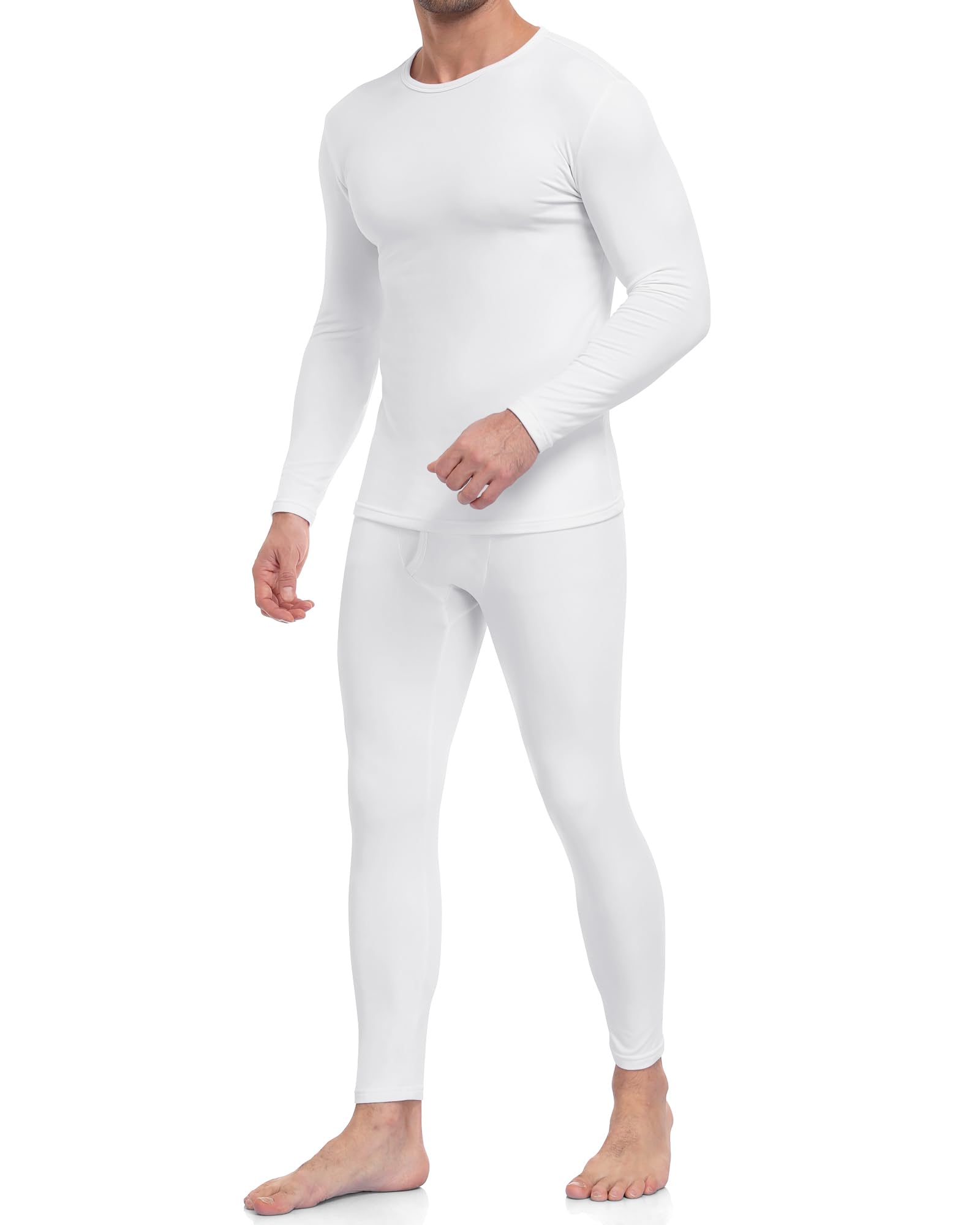
The first product, WEERTI Men's Fleece Thermal Underwear, offers a fleece‑lined base layer that provides both passive insulation and active heating. It is rated 4.5 out of 5 stars by 13,831 reviewers and is priced at $19.99. Its lightweight construction makes it easy to place on a thermal manikin without interfering with sensor placement.
The second product, KOVNLO Women's Heated Vest, incorporates a smart controller with LED status lights, allowing precise monitoring of heating levels during tests. Priced at $49.99 and rated 4.4 out of 5 stars by 2,476 reviewers, it demonstrates reliable battery performance even at -40 °C, which is valuable for endurance testing.
Both garments feature removable battery packs, enabling testers to assess battery degradation independently of the heating fabric. Their compliance with IEC safety markings simplifies the documentation of regulatory conformity.
Comparison and Selection Guide
Choosing the right heated apparel for cold‑chamber testing depends on several criteria:
| Feature | WEERTI Men's Fleece Thermal Underwear | KOVNLO Women's Heated Vest |
|---|---|---|
| Price | $19.99 | $49.99 |
| Rating | 4.5/5 (13,831 reviews) | 4.4/5 (2,476 reviews) |
| Heating Zones | Full‑body base layer, evenly distributed | Front torso vest, localized heating |
| Battery Compatibility | Standard 7.4 V lithium‑ion pack | Proprietary 5 V pack with smart controller |
| Temperature Range | Effective down to -30 °C | Effective down to -40 °C |
| Ease of Instrumentation | Thin profile simplifies sensor placement | Integrated controller provides real‑time data output |
For laboratories focused on baseline thermal performance, the WEERTI base layer offers a cost‑effective platform. For advanced testing that requires real‑time monitoring of heating power and battery health, the KOVNLO vest provides built‑in diagnostics that reduce setup time.
Best Practices & Tips
To maximize the reliability of cold‑chamber testing, consider the following best practices:
- Pre‑condition garments: Store items at room temperature for at least 24 hours before testing to eliminate residual moisture.
- Use calibrated reference thermometers: Place a calibrated reference probe alongside the garment sensors to verify measurement accuracy.
- Document battery state of charge: Record initial battery voltage and capacity; this information is essential for interpreting power‑draw variations.
- Implement safety interlocks: Configure the chamber to automatically shut down power if temperature exceeds predefined limits.
- Run repeatability cycles: Perform at least three identical test runs per sample to assess variability and establish confidence intervals.
- Consider human factors: When possible, complement manikin data with limited human subject trials under controlled conditions to validate comfort.
Adhering to these practices reduces experimental error, enhances safety, and produces data that stakeholders can trust.
Frequently Asked Questions
- 1. What temperature range should a cold chamber cover for heated clothing tests?
- Most standards require testing down to at least -40 °C, although extreme‑environment applications may demand -60 °C or lower. The chamber should also be capable of gradual temperature ramps to simulate real‑world conditions.
- 2. How long should a heating element be operated during a single test cycle?
- Typical protocols run the heating element continuously for 2 hours to assess steady‑state performance, followed by a longer 8‑hour endurance test to evaluate battery depletion and thermal stability.
- 3. Are there specific safety certifications required for heated garments?
- Yes. IEC 60335‑2‑24 covers safety requirements for electric heating apparel, including insulation resistance, temperature limits, and emergency shut‑off mechanisms.
- 4. Can I use a standard thermal manikin for testing heated vests?
- Absolutely. A thermal manikin equipped with temperature sensors at key body sites can accurately capture heat distribution from vests, jackets, or base layers.
- 5. How does humidity affect heated clothing performance?
- High humidity can reduce the efficiency of electrical heating elements and increase the risk of condensation on batteries. Testing at 30 % and 80 % relative humidity helps identify performance degradation.
- 6. What data logging frequency is recommended?
- One‑second intervals provide sufficient resolution to capture rapid temperature changes during ramp‑up, while longer intervals (30 seconds) are acceptable for steady‑state monitoring.
- 7. Do battery packs need to be tested separately?
- Yes. Conducting isolated battery discharge tests at low temperatures verifies that the power source can sustain the heating load without voltage collapse.
Conclusion
Cold‑chamber testing is indispensable for validating the safety, performance, and durability of heated clothing. By following standardized procedures, employing precise instrumentation, and adhering to best‑practice guidelines, manufacturers and laboratories can produce trustworthy data that support product certification and consumer confidence. The featured products illustrate how thoughtful design—such as removable batteries and integrated controllers—can simplify testing while delivering reliable warmth in harsh environments.
Implementing the protocols described in this guide will enable stakeholders to assess heated apparel rigorously, select appropriate solutions for specific use cases, and ultimately enhance user safety and comfort in cold‑weather applications.
Products Featured in This Guide
WEERTI Men's Fleece Thermal Underwear
Price: $19.99
Rating: 4.5/5 (13,831 reviews)
Featured because its thin, fleece‑lined design provides an excellent baseline for thermal manikin testing while offering reliable heating down to -30 °C.
KOVNLO Women's Heated Vest
Price: $49.99
Rating: 4.4/5 (2,476 reviews)
Featured because its smart controller with LED indicators and proven performance at -40 °C make it ideal for advanced testing of power management and temperature regulation.
