Is Battery‑Heated Clothing Safe During Pregnancy? An Expert Safety Guide for Expectant Mothers
Introduction
Expectant mothers often experience heightened sensitivity to cold, especially during the third trimester. This guide explores the safety considerations of battery‑heated clothing, explains the underlying technology, and provides actionable recommendations. Readers will learn how thermal garments function, what medical research indicates, and which products offer reliable performance. The article also includes a comparison chart, best‑practice tips, and a concise FAQ section.
Background and Context
Battery‑heated clothing integrates thin, flexible heating elements powered by rechargeable lithium‑ion batteries. The elements are typically placed in strategic zones such as the back, chest, or pockets to deliver consistent warmth. Heat is regulated by low‑voltage circuits that maintain temperatures between 30 °C and 45 °C, a range considered safe for skin contact. Pregnant individuals should be aware that excessive heat exposure, particularly to the abdomen, may raise core body temperature, which could affect fetal development.
Medical guidelines from the American College of Obstetricians and Gynecologists advise that maternal core temperature should not exceed 38.5 °C for prolonged periods. Therefore, any heated garment must allow precise temperature control and provide rapid shut‑off mechanisms. Understanding the specifications of the battery, heating zones, and material composition is essential for making an informed decision.
Key Safety Concepts
Three primary concepts determine the safety of heated apparel for pregnant users: temperature regulation, battery integrity, and material breathability.
- Temperature Regulation: Look for garments with multiple heat settings, automatic cut‑off after a predetermined duration, and clear indicator lights.
- Battery Integrity: High‑quality lithium‑ion cells with built‑in protection against over‑charging, short‑circuit, and overheating are critical.
- Material Breathability: Fabrics that wick moisture and allow air circulation reduce the risk of localized overheating.
When these criteria are met, the risk of raising core temperature is minimal, and the garment can provide comfortable warmth without compromising fetal health.
Recommended Product: ORORO Women's Heated Vest
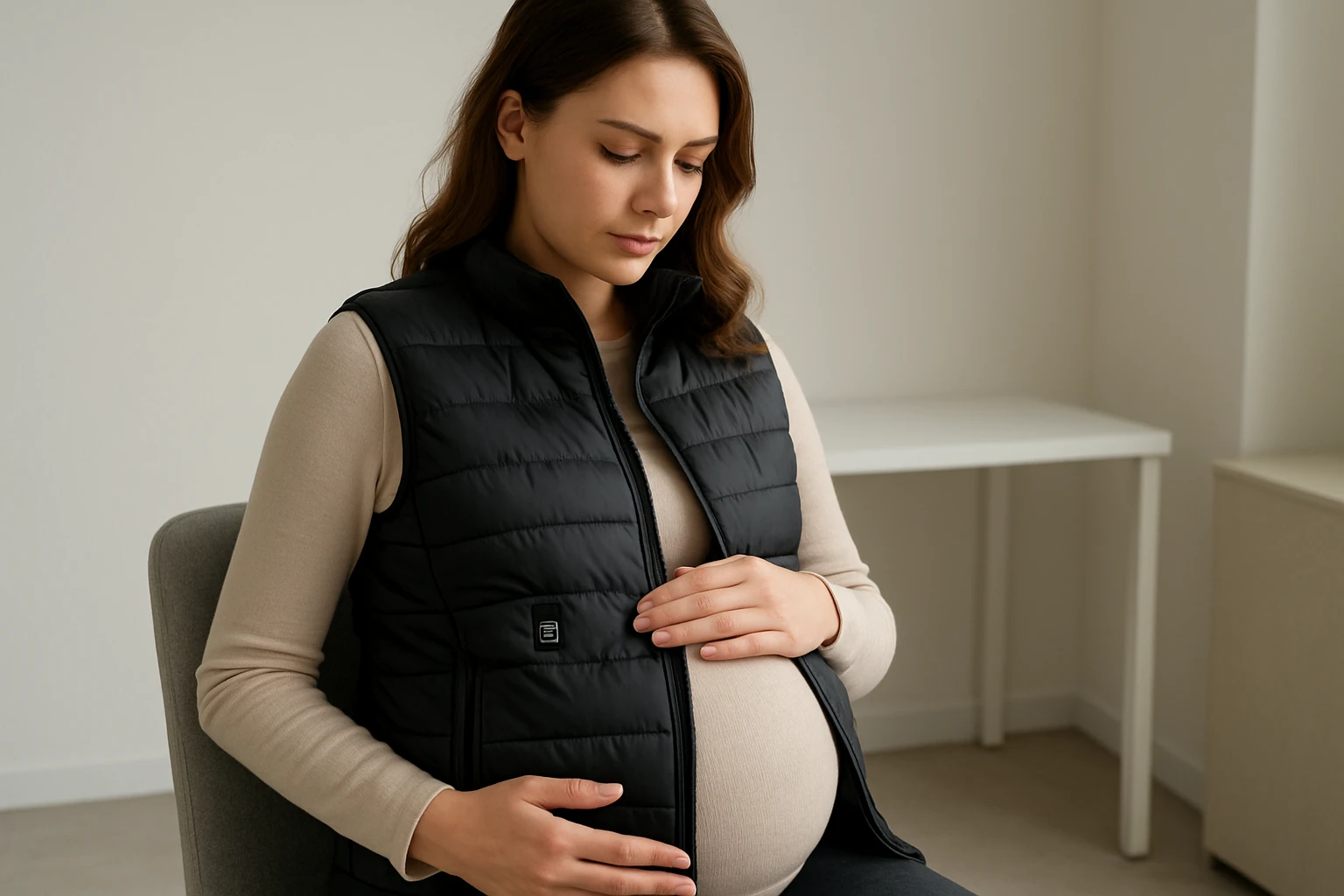
The ORORO Women's Heated Vest exemplifies a product that aligns with the safety concepts outlined above. This lightweight puffer vest incorporates a USB‑C rechargeable battery that powers three heating zones located on the back, chest, and pockets. The vest offers three distinct temperature settings, allowing the wearer to select low, medium, or high heat based on personal comfort.
Key specifications include:
- Battery capacity sufficient for up to 10 hours on low heat and approximately 3 hours on high heat.
- Heavy‑duty waterproof zippers that prevent accidental exposure of the heating elements.
- Soft, breathable polyester‑cotton blend that mitigates moisture buildup.
- Rating of 4.5 out of 5 stars from 11,072 verified reviews, indicating high customer satisfaction.
Customers frequently note that the vest fits true to size, provides rapid warming within seconds, and includes a convenient storage bag for the battery pack. Although the battery pack is somewhat bulky, the design ensures that it does not impede movement when placed on the hip.
Recommended Product: Maternity Shapewear Shorts
While not a heated garment, the Maternity Shapewear Shorts complement heated clothing by offering gentle abdominal support and thermal regulation through breathable fabric. The shorts feature a high‑waist design that distributes pressure evenly across the belly, reducing the need for excessive layers that could trap heat.
Important details include:
- Mid‑thigh length with a supportive high‑waist band that accommodates a growing uterus.
- Made from a lightweight, moisture‑wicking blend that promotes airflow.
- Price of $19.99 with a rating of 4.4 out of 5 stars from 339 reviews, reflecting reliable quality at an affordable price.
- Available in sizes that correspond to typical maternity measurements, ensuring a comfortable fit without constriction.
Women who combine this shapewear with a heated vest report enhanced comfort during cold weather, as the shorts prevent excessive bulk while still providing warmth.
Comparison and Selection Guide
Choosing the appropriate heated apparel involves evaluating three dimensions: intended use, heating performance, and comfort features. The table below summarizes the key attributes of the two featured products.
| Feature | ORORO Heated Vest | Maternity Shapewear Shorts |
|---|---|---|
| Primary Function | Active heating for upper body | Support and breathable coverage |
| Heat Settings | Three adjustable levels | None (passive) |
| Battery Life (Low/High) | 10 hrs / 3 hrs | N/A |
| Material | Polyester‑cotton blend, water‑resistant zippers | Lightweight, moisture‑wicking blend |
| Price | $149.99 | $19.99 |
| Average Rating | 4.5/5 (11,072 reviews) | 4.4/5 (339 reviews) |
Expectant mothers who require active warmth for outdoor activities should prioritize the ORORO Heated Vest due to its reliable heating zones and adjustable settings. Those seeking gentle support and a low‑profile layer that does not interfere with heat regulation may find the Maternity Shapewear Shorts to be a valuable complement.
Best Practices & Tips for Safe Use
- Begin with the lowest heat setting and increase only if necessary; this approach minimizes the chance of overheating.
- Limit continuous use to no more than two hours on high heat; take a short break to allow skin temperature to normalize.
- Place the battery pack on the outer clothing layer rather than directly against the skin to reduce localized heat buildup.
- Inspect the battery and heating elements for signs of wear, swelling, or discoloration before each use.
- Follow the manufacturer’s washing instructions; most heated garments require hand washing or a gentle cycle with the battery removed.
- Avoid wearing heated clothing while sleeping, as prolonged exposure can unintentionally raise core temperature.
- Consult a healthcare professional if any discomfort, excessive sweating, or unusual skin reactions occur while using heated apparel.
Adhering to these guidelines ensures that the benefits of warmth are realized without compromising maternal or fetal health.
Frequently Asked Questions
1. Can heated clothing cause a fever in pregnant women?
Heated clothing does not induce fever; however, excessive external heat can elevate core body temperature. Maintaining a low or medium setting and limiting duration prevents temperature from exceeding safe limits.
2. Are lithium‑ion batteries safe for use during pregnancy?
Modern lithium‑ion batteries incorporate multiple safety circuits that protect against over‑charging, short‑circuit, and thermal runaway. When the battery is used as intended and not damaged, it is considered safe for pregnant users.
3. Should the heating element be placed over the abdomen?
It is advisable to avoid direct heating over the abdomen. Heat should be confined to the back, chest, or limbs, allowing the core temperature to remain stable.
4. How often should the battery be recharged?
Recharge the battery after each use to maintain optimal capacity. Fully charging overnight is acceptable, but avoid leaving the battery connected for more than 24 hours without supervision.
5. Can heated clothing be worn while exercising?
During moderate exercise, the body generates sufficient internal heat; adding external heat may increase the risk of overheating. It is recommended to reserve heated garments for low‑intensity activities such as walking or standing in cold environments.
6. Is it necessary to wash heated garments after each use?
Most heated garments are designed for occasional cleaning. Spot‑cleaning with a damp cloth is sufficient for daily use; a full wash should be performed according to the manufacturer’s instructions, typically after several uses.
7. Are there any contraindications for using heated clothing?
Pregnant individuals with pre‑existing skin conditions, vascular disorders, or a history of heat‑related complications should consult their physician before using heated apparel.
Conclusion
Battery‑heated clothing can be a safe and effective solution for managing cold sensitivity during pregnancy when appropriate safety measures are observed. By selecting garments with reliable temperature control, high‑quality batteries, and breathable fabrics, expectant mothers can enjoy warmth without compromising health. The ORORO Heated Vest provides robust heating performance, while the Maternity Shapewear Shorts offer supportive comfort that works synergistically with heated layers. Following best‑practice guidelines and consulting healthcare providers when needed ensures a balanced approach to thermal comfort throughout pregnancy.
Products Featured in This Guide
ORORO Women's Heated Vest
Price: $149.99
Rating: 4.5 out of 5 stars (11,072 reviews)
Featured because it offers adjustable heating zones, a rechargeable USB‑C battery, and high customer satisfaction, making it a reliable option for pregnant users seeking safe warmth.
Maternity Shapewear Shorts
Price: $19.99
Rating: 4.4 out of 5 stars (339 reviews)
Featured because it provides breathable, supportive coverage that complements heated garments, helping expectant mothers maintain comfort without excessive layering.