Introduction
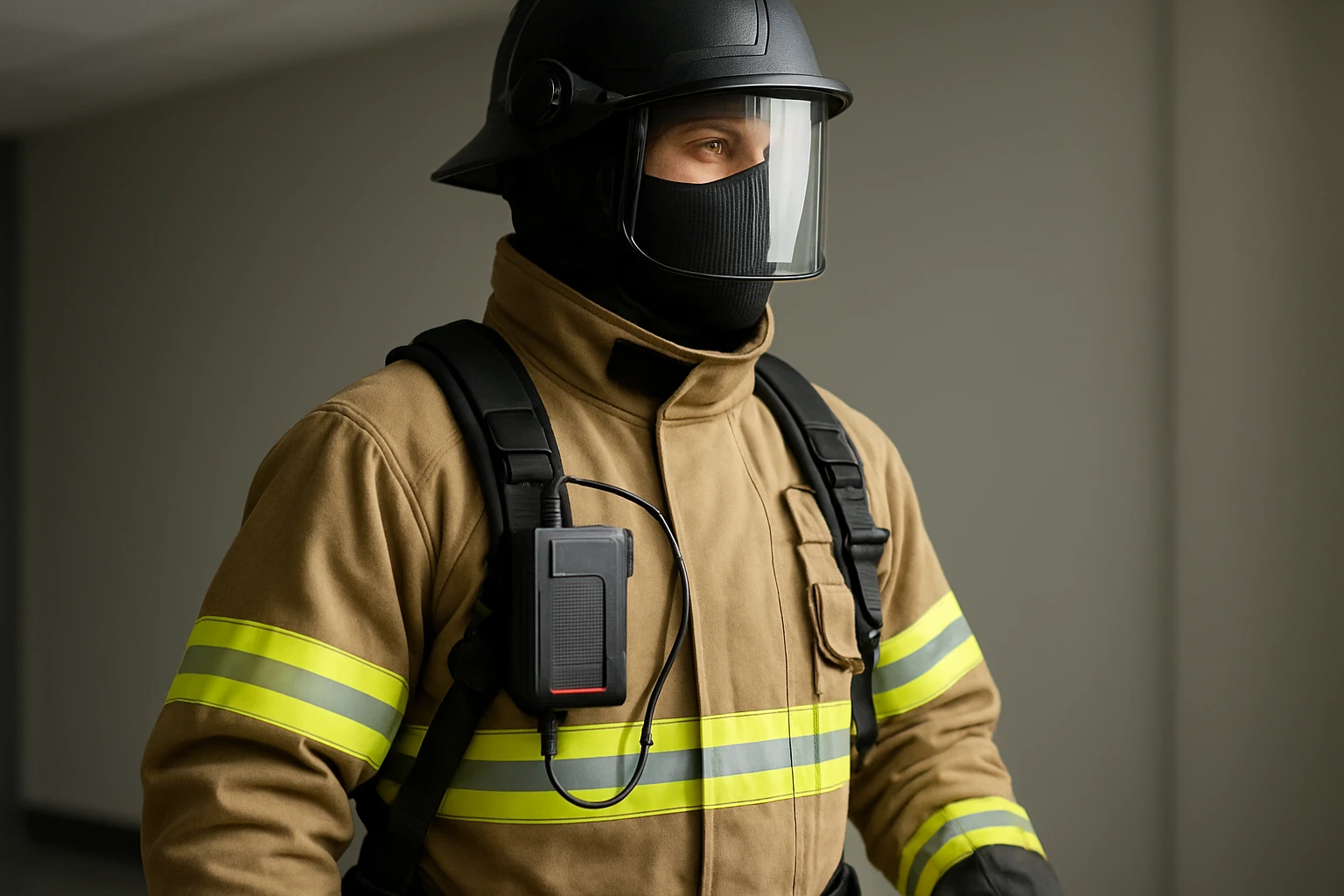
First responders routinely operate in extreme temperatures while wearing bulky personal protective equipment (PPE). Adding heated clothing can improve comfort, maintain dexterity, and reduce the risk of cold‑induced injuries. This guide explains the science behind heated apparel, outlines compatibility considerations, and provides actionable recommendations for integrating such gear into existing PPE ensembles. Readers will learn how to evaluate products, select the best option for their role, and follow safety protocols that protect both the wearer and the equipment.
While heated garments are popular among outdoor enthusiasts, first responders face unique challenges such as prolonged exposure, mandatory decontamination, and strict equipment standards. The information below balances theoretical background with practical product examples, ensuring that the advice remains useful even if no purchase is made.
Background and Context
Cold stress reduces peripheral blood flow, impairing manual dexterity and increasing the likelihood of hypothermia. In emergency medical services, fire suppression, and law‑enforcement scenarios, reduced hand function can delay critical interventions. Heated clothing mitigates these effects by providing localized warmth through electrically powered heating elements embedded in fabric panels.
Modern heated garments rely on rechargeable lithium‑ion battery packs, USB‑C power delivery, and smart controllers that allow users to select low, medium, or high heat settings. Battery capacity, charge time, and placement within the garment are critical variables that influence both comfort and safety when combined with PPE such as fire‑resistant jackets, turnout gear, or ballistic vests.
Regulatory bodies such as NFPA and OSHA do not explicitly prohibit heated apparel, but they require that any added equipment does not compromise the integrity of approved PPE. Therefore, first responders must verify that heating elements are fire‑retardant, that battery packs are securely sealed, and that the garment does not interfere with required reflective or high‑visibility markings.
Key Considerations for Integrating Heated Clothing with PPE
When selecting heated apparel for use with PPE, consider the following criteria:
- Thermal Performance: Heat output should be sufficient to raise skin temperature without causing overheating. Most consumer models provide three settings ranging from 100°F (low) to 131°F (high).
- Battery Placement and Size: Batteries that sit on the hip or in a dedicated pocket can add bulk. A compact battery reduces interference with movement and belt loops.
- Material Compatibility: The outer shell should be water‑resistant and compatible with the fire‑resistant fabrics of turnout gear. Look for reinforced zippers and sealed seams.
- Charging Logistics: Fast charging (USB‑C) is advantageous for shift workers who need to top‑up batteries between calls.
- Durability and Washability: Heated garments must survive routine cleaning. Removable battery packs and machine‑washable shells are preferred.
Below are specific product recommendations that satisfy many of these requirements.
Recommended Heated Garments for First Responders
The following heated vests have demonstrated strong performance in real‑world reviews and meet the criteria outlined above.
ORORO Women's Lightweight Heated Vest
First mentioned: ORORO Women's Heated Vest. This vest features a USB‑C rechargeable battery, three heat settings, and heavy‑duty zippers that resist snagging. Users report up to 10 hours of heat on the low setting and 3 hours on high, making it suitable for long shifts. The vest is lightweight, fits true to size, and includes a storage bag for the battery. With a 4.5‑star rating from over 11,000 reviews, it is praised for rapid heating and comfort.
KOVNLO Heated Vest (Battery Pack Not Included)
First mentioned: KOVNLO Heated Vest. This model provides a smart controller with a lights‑out feature, allowing users to conserve battery when not needed. Although the battery is sold separately, the vest’s internal pocket accommodates most power banks, giving responders flexibility to use agency‑issued batteries. Reviewers highlight fast heat-up, comfortable fit, and ample side pockets (7.5" × 8.5"). The price point of $60.27 makes it an economical backup for agencies on a budget.
ORORO Men's Lightweight Heated Vest
First mentioned: ORORO Men's Heated Vest. Similar to the women’s version, this vest offers three temperature settings, a USB‑C battery, and reinforced stitching designed for heavy use. Users note a battery life of six hours on high and a charging time of approximately four hours. The vest’s slim profile allows it to be worn under turnout jackets without adding excessive bulk. With a 4.6‑star rating from more than 11,000 reviewers, it is regarded as reliable and comfortable.
WEERTI Thermal Underwear (Base Layer)
First mentioned: WEERTI Thermal Underwear. While not heated, this fleece‑lined base layer provides essential insulation that reduces the workload on heated vests. The fabric is moisture‑wicking, soft, and offers a second‑skin fit that retains warmth. At $28.99 and a 4.5‑star rating from over 13,000 reviews, it is a cost‑effective complement to any heated garment.
Comparison and Selection Guide
| Feature | ORORO Women’s | KOVNLO (No Battery) | ORORO Men’s | WEERTI Base Layer |
|---|---|---|---|---|
| Price | $139.99 | $60.27 (battery separate) | $149.99 | $28.99 |
| Heat Settings | Low/Medium/High (100‑131°F) | Low/Medium/High (controller) | Low/Medium/High (100‑131°F) | N/A (insulation only) |
| Battery Life (High) | ~3 hrs | Depends on external pack | ~6 hrs | N/A |
| Weight of Battery | Bulky hip pack (still wearable) | User‑provided, flexible | Compact, fits inside pocket | N/A |
| Washability | Machine‑washable (battery removed) | Machine‑washable (battery removed) | Machine‑washable (battery removed) | Machine‑washable |
| User Rating | 4.5/5 (11,068 reviews) | 4.4/5 (2,458 reviews) | 4.6/5 (11,266 reviews) | 4.5/5 (13,720 reviews) |
Choosing the right product depends on the responder’s role, shift length, and existing equipment. For fire‑fighters who require fire‑resistant outer layers, a slim vest such as the ORORO Men's Heated Vest offers the best balance of warmth and low profile. For agencies with limited budgets, the KOVNLO Heated Vest allows the use of existing power banks, reducing overall cost.
Best Practices & Tips for Safe Use
- Inspect Battery Integrity: Before each shift, verify that the battery case is free of cracks and that connectors are clean. Damaged batteries can short‑circuit and pose fire hazards.
- Secure Battery Placement: Position the battery in a dedicated zippered pocket that sits against the torso, not on the hip, to avoid snagging on belt loops or tools.
- Layer Strategically: Wear a moisture‑wicking base layer such as WEERTI Thermal Underwear before the heated vest. This combination retains heat while moving sweat away from the skin.
- Charge During Downtime: Use the provided USB‑C cable to charge batteries during scheduled breaks. A full charge typically requires four hours; stagger charging cycles for crews that work overlapping shifts.
- Follow PPE Clearance: Ensure that the heated vest does not interfere with reflective strips, badge holders, or ventilation panels required by department policy.
- Test Heat Settings Before Deployment: Activate each setting in a controlled environment to confirm that the vest reaches the advertised temperature without overheating.
- Document Maintenance: Record battery charge cycles and any performance issues in the agency’s equipment log. Regular documentation helps identify premature wear.
Frequently Asked Questions
- Can heated vests be worn under fire‑resistant turnout gear? Yes, provided the vest’s outer fabric is non‑combustible and the battery is fully sealed. The slim profile of the ORORO models fits comfortably under turnout jackets.
- How long does a typical battery last on high heat? Battery life varies; the ORORO Women's Vest provides roughly 3 hours on high, while the ORORO Men's Vest can sustain up to 6 hours on high due to a larger internal pack.
- Are the batteries safe to charge in a vehicle? Charging via a vehicle’s USB port is acceptable if the charger supplies the correct voltage (5 V) and does not exceed the battery’s rated amperage. Avoid fast‑charge adapters that exceed 2 A.
- What should I do if the vest does not heat? First, check that the battery is fully charged and properly seated. Next, verify that the controller is set to a heat level and that the power button indicator is illuminated. If the problem persists, contact the manufacturer’s support line.
- Can I wash the vest with the battery inside? No. Remove the battery pack before any machine wash. Follow the care label, use a gentle cycle, and air‑dry the garment.
- Is there a risk of electromagnetic interference with communication equipment? Modern heated garments use low‑frequency heating elements that do not interfere with standard radios or radioscopes. However, keep the battery away from antennae to avoid signal attenuation.
- Do I need a separate battery for each shift? Having a spare battery is advisable for extended operations. The ORORO line offers optional extra batteries at a higher price point, while the KOVNLO vest can use any compatible power bank.
Conclusion
Integrating heated clothing into first responder PPE can dramatically improve comfort, maintain manual dexterity, and reduce cold‑related health risks. By selecting garments that meet fire‑resistance standards, provide reliable battery life, and fit comfortably under existing gear, agencies can enhance operational effectiveness without compromising safety. The recommendations and best‑practice checklist presented here empower responders to make informed decisions, maintain equipment responsibly, and keep focus on the mission at hand.
Products Featured in This Guide
ORORO Women's Heated Vest
Price: $139.99 | Rating: 4.5/5 (11,068 reviews)
Featured for its rapid heating, long low‑heat battery life, and durable construction suitable for layering under PPE.
KOVNLO Heated Vest
Price: $60.27 | Rating: 4.4/5 (2,458 reviews)
Featured for its affordable price, smart controller with lights‑out mode, and flexible battery‑pocket design that accepts external power banks.
ORORO Men's Heated Vest
Price: $149.99 | Rating: 4.6/5 (11,266 reviews)
Featured for its slim profile, six‑hour high‑heat runtime, and robust construction that integrates well with heavy turnout gear.
WEERTI Thermal Underwear
Price: $28.99 | Rating: 4.5/5 (13,720 reviews)
Featured as a high‑performance base layer that enhances the efficiency of heated vests by providing foundational insulation.