Does Insurance Cover Battery-Heated Clothing for Employees? A Complete Employer's Guide to Coverage & Compliance
Introduction
Employers increasingly consider battery‑heated clothing as a solution to keep staff comfortable in cold‑weather environments. This guide explains the insurance implications, regulatory considerations, and practical steps for providing such apparel responsibly. Readers will learn how to assess coverage eligibility, evaluate product options, and implement policies that protect both employees and the organization. By the end of this article, decision‑makers will have a clear roadmap for integrating heated garments into their safety programs.
Background and Context
Battery‑heated clothing combines textile engineering with electronic heating elements powered by rechargeable packs. These garments are designed to maintain core body temperature, reduce the risk of hypothermia, and improve productivity in outdoor or refrigerated settings. Insurance carriers evaluate these items based on risk classification, injury potential, and compliance with occupational safety standards. Understanding the intersection of workers' compensation, general liability, and product liability is essential before adopting heated apparel.
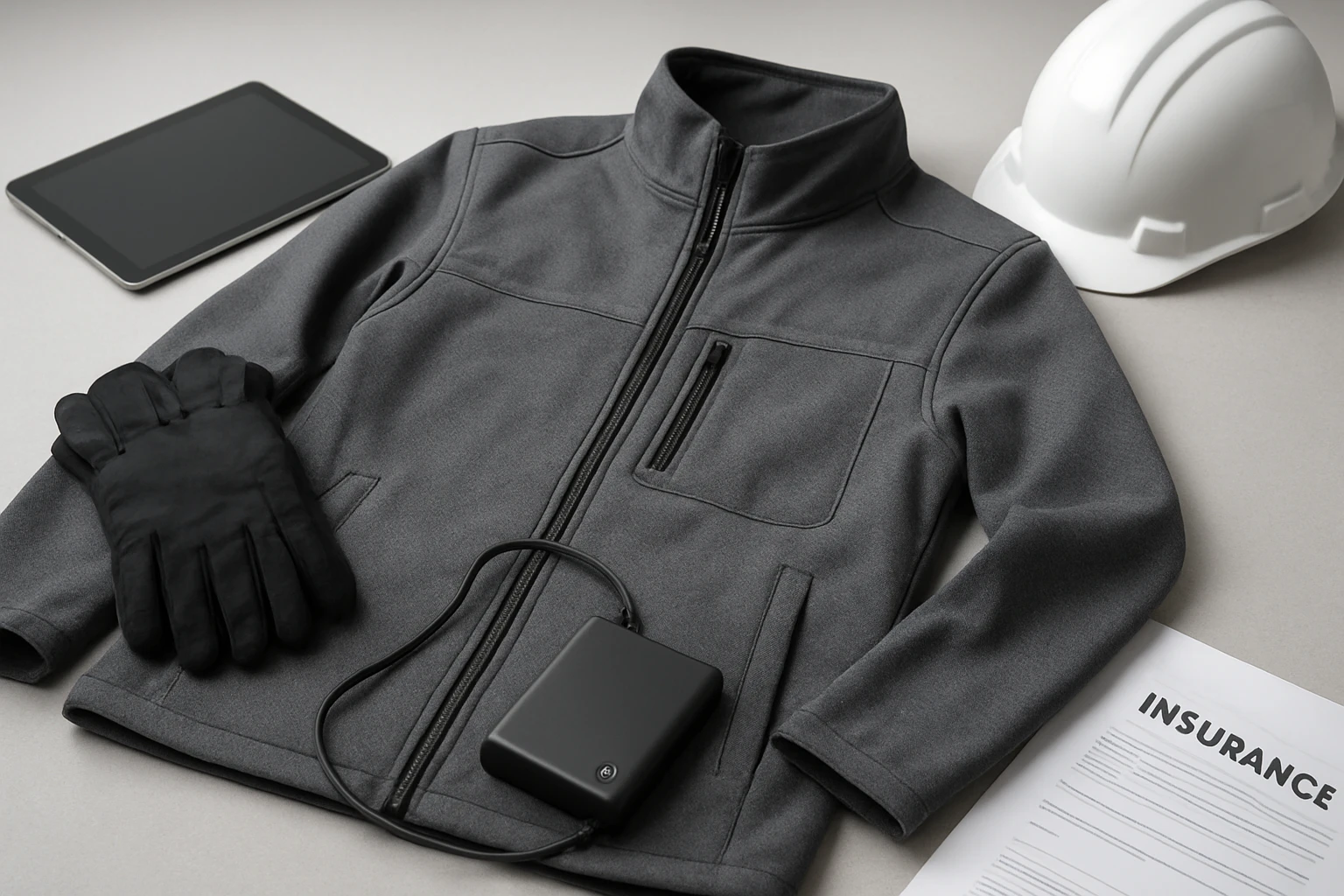
In many jurisdictions, employers are required to provide personal protective equipment (PPE) that meets industry‑specific standards. Heated garments may qualify as PPE when they are intended to mitigate cold‑induced injuries. However, insurers may treat them differently from conventional PPE because of the electrical components involved. Employers should therefore review policy language, endorsements, and exclusions related to electronic equipment worn on the body.
Key Concepts for Employers
Before purchasing heated clothing, employers must grasp several foundational concepts:
- Risk Assessment: Identify work areas where ambient temperatures fall below safe thresholds and where heated garments could prevent injury.
- Policy Review: Examine existing workers' compensation and general liability policies for clauses addressing electronic PPE.
- Compliance Standards: Verify that garments comply with UL, CE, or ISO certifications for electrical safety.
- Maintenance Protocols: Establish charging, inspection, and replacement schedules to minimize fire or battery‑related hazards.
By addressing these elements, employers can build a strong case for coverage and demonstrate proactive risk management to insurers.
Product Recommendations
When selecting heated apparel, employers should prioritize safety certifications, durability, and user comfort. The following products exemplify best‑in‑class options for different occupational needs.
Thermal Leggings for Female Field Workers
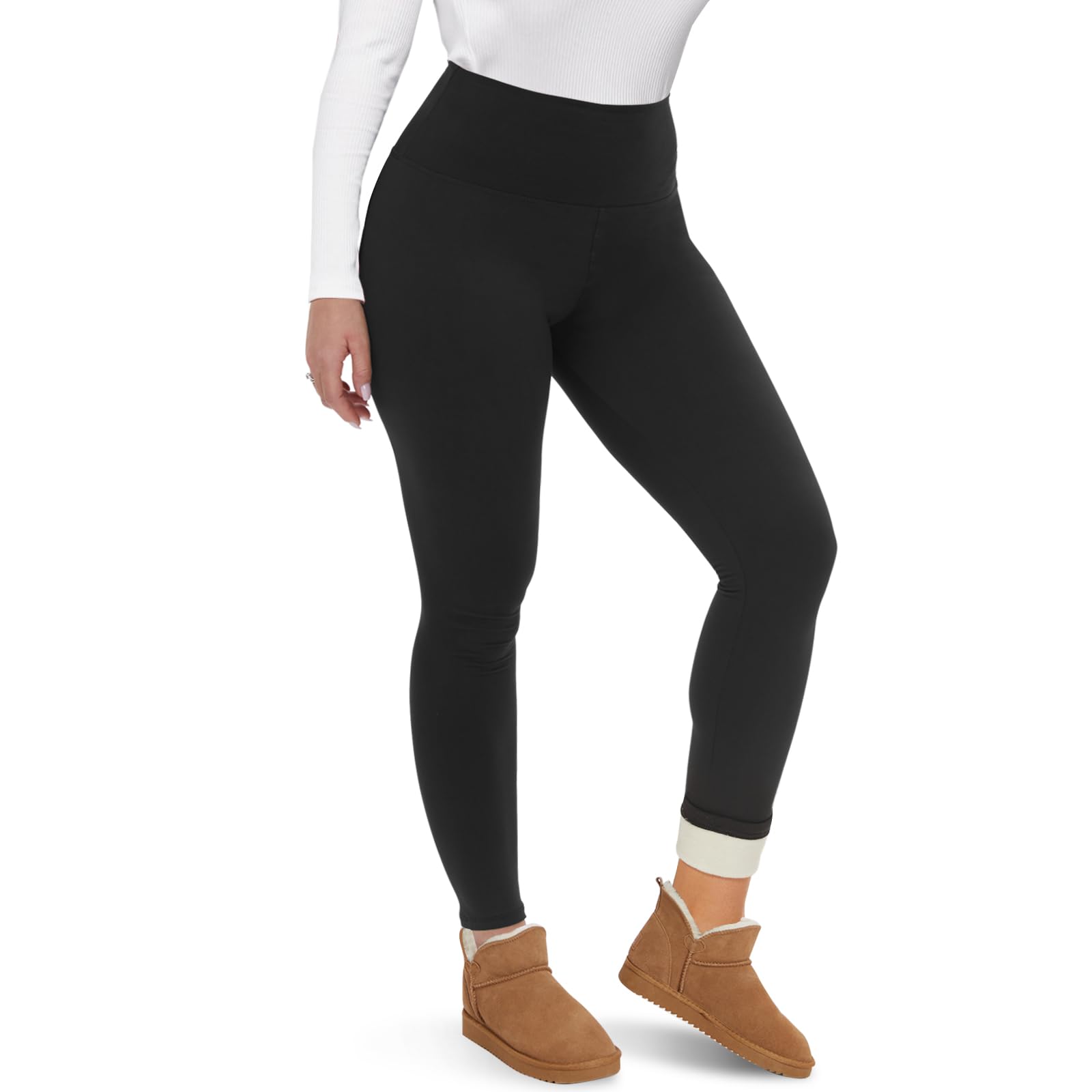
The Campsnail Fleece Lined Leggings provide high‑waisted, tummy‑control design with a soft velvet interior that traps heat effectively. Priced at $29.99, they have earned a 4.6‑star rating from over 5,300 reviewers, indicating reliable performance in cold conditions. Their thick fleece lining offers passive insulation, reducing reliance on the battery pack and extending wear time for employees who move frequently.
Key specifications include:
- Material: 80% polyester, 20% spandex for stretch and durability.
- Thermal rating: Suitable for temperatures down to -10°C (14°F).
- High‑waist design for added coverage and reduced wind chill.
These leggings are an economical addition to a winter PPE kit, especially for staff who already wear standard work trousers.
Heated Vest for Male Outdoor Crews
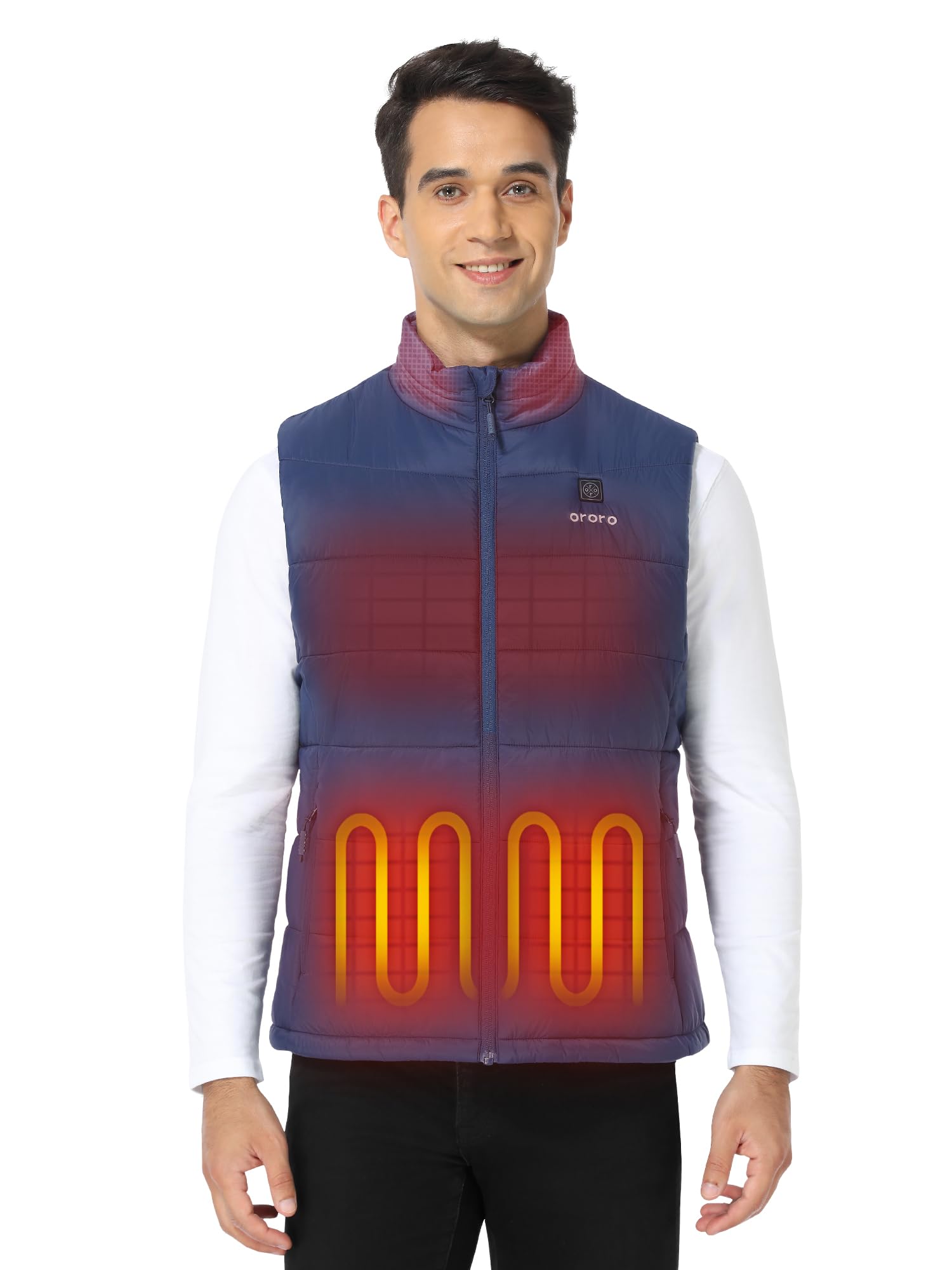
The Ororo Men's Heated Vest combines a lightweight puffer shell with USB‑C rechargeable batteries that deliver consistent warmth across three adjustable zones. At $149.99, it carries a 4.6‑star rating from more than 11,000 reviewers, reflecting high satisfaction with its heating performance and durability. This vest is ideal for construction workers, utility crews, and delivery drivers who require hands‑free mobility.
Important features include:
- Three heating zones (chest, back, and collar) with temperature control.
- USB‑C battery offering up to 10 hours of heat on a single charge.
- Water‑resistant outer shell meeting IPX4 standards.
Employers can pair this vest with standard high‑visibility jackets to meet both thermal and safety visibility requirements.
Single‑Use Heated Compression Shirt for Short‑Term Tasks
The UnderWarmer Heated Compression Shirt offers a cost‑effective, single‑use solution that incorporates eight built‑in heat packs. Priced at $13.99, it has a 4.4‑star rating from 624 reviewers, indicating solid performance for brief exposure periods. This garment is particularly useful for warehouse staff handling frozen goods for limited durations.
Key attributes include:
- Compression fit that promotes circulation while delivering heat.
- Eight disposable heat packs providing up to 6 hours of warmth.
- Lightweight, breathable fabric suitable for layered outfits.
Because the heat source is disposable, maintenance concerns are minimal, making it attractive for temporary projects.
Comparison and Selection Guide
Choosing the right heated apparel depends on job function, exposure duration, and budget constraints. The table below contrasts the three featured products across critical criteria.
| Feature | Campsnail Fleece Lined Leggings | Ororo Men's Heated Vest | UnderWarmer Heated Compression Shirt |
|---|---|---|---|
| Price | $29.99 | $149.99 | $13.99 |
| Rating | 4.6/5 (5,314 reviews) | 4.6/5 (11,265 reviews) | 4.4/5 (624 reviews) |
| Heat Source | Passive fleece insulation | Rechargeable USB‑C battery | Disposable heat packs |
| Warmth Duration | Passive, indefinite | Up to 10 hours | Up to 6 hours |
| Best Use Case | Cold‑weather field work, women’s PPE | Extended outdoor tasks, men’s PPE | Short‑term indoor/outdoor tasks |
Employers should match the product’s heat delivery method to the specific risk profile of each job role. For example, a construction crew that spends full days outdoors may benefit most from the Ororo Heated Vest, while a warehouse team handling frozen inventory for a few hours could adopt the UnderWarmer Shirt.
Best Practices & Tips for Implementation
Integrating heated clothing into a safety program requires more than simply purchasing the items. Follow these best practices to ensure compliance and maximize employee protection:
- Document Risk Assessments: Record temperature thresholds, exposure times, and the specific garments assigned to each role.
- Update Insurance Policies: Notify carriers of the new PPE, provide product specifications, and request endorsements that cover electronic equipment.
- Provide Training: Instruct employees on proper charging, safe handling of batteries, and emergency procedures in case of overheating.
- Maintain Inspection Logs: Conduct weekly visual checks for wear, battery degradation, and compliance with certification markings.
- Establish Replacement Cycles: Replace batteries after the manufacturer’s recommended charge cycles to prevent fire hazards.
- Integrate with Existing PPE: Ensure heated garments meet visibility, flame‑resistance, or other regulatory standards required for the job.
By embedding these steps into standard operating procedures, employers demonstrate due diligence, which can favorably influence insurance underwriting decisions.
Frequently Asked Questions
1. Does workers' compensation cover injuries caused by heated clothing?
In most jurisdictions, injuries resulting from a defect in the heated garment are covered if the product is deemed part of the required PPE. However, injuries caused by improper charging or misuse may be excluded, emphasizing the need for training and clear policies.
2. Can general liability insurance be extended to include heated apparel?
Yes, insurers can add endorsements that specifically address electronic PPE. Employers should request a rider that clarifies coverage for battery‑related incidents, including fire or electrical shock.
3. Are there OSHA standards that apply to battery‑heated clothing?
OSHA does not have a dedicated standard for heated garments, but the general PPE requirements (29 CFR 1910.132) apply. Employers must ensure the clothing meets electrical safety certifications such as UL or CE.
4. How should employers handle the disposal of single‑use heated shirts?
Disposable heat packs contain chemical agents that must be disposed of according to local hazardous waste regulations. Employers should provide designated collection bins and partner with a licensed waste disposal service.
5. What is the typical warranty period for rechargeable heated vests?
Most manufacturers, including the Ororo Heated Vest, offer a one‑year limited warranty covering battery defects and fabric issues. Employers should retain proof of purchase and register the product to activate the warranty.
6. Do insurance premiums increase when heated clothing is introduced?
Premium adjustments depend on the insurer’s risk assessment. If the heated garments demonstrably reduce cold‑related claims, premiums may remain stable or even decrease.
7. Can heated clothing be used in environments with flammable gases?
Only garments certified as intrinsically safe for explosive atmospheres should be used in such settings. Standard heated vests, including those listed above, are not suitable for Class I hazardous locations.
Conclusion
Battery‑heated clothing offers a practical method for protecting employees from cold‑related injuries, but insurers evaluate these items through the lens of electrical risk and PPE compliance. By conducting thorough risk assessments, updating insurance policies, and selecting certified products, employers can secure coverage while enhancing worker safety. The recommendations provided herein—Campsnail Fleece Lined Leggings, Ororo Men's Heated Vest, and UnderWarmer Heated Compression Shirt—illustrate how diverse job functions can benefit from tailored thermal solutions.
Employers who adopt the outlined best practices will not only meet regulatory obligations but also position themselves favorably with insurers, potentially reducing claim frequency and insurance costs. Ultimately, the integration of heated apparel should be viewed as an investment in employee well‑being and operational resilience.
Products Featured in This Guide
Campsnail Fleece Lined Leggings
Price: $29.99
Rating: 4.6/5 (5,314 reviews)
Featured because it provides affordable, passive insulation for female employees working in cold environments, complementing other heated PPE.
Ororo Men's Heated Vest
Price: $149.99
Rating: 4.6/5 (11,265 reviews)
Featured for its rechargeable battery system, multi‑zone heating, and durability, making it suitable for extended outdoor tasks.
UnderWarmer Heated Compression Shirt
Price: $13.99
Rating: 4.4/5 (624 reviews)
Featured as a low‑cost, single‑use option for short‑duration exposure, reducing maintenance while delivering immediate warmth.