Introduction
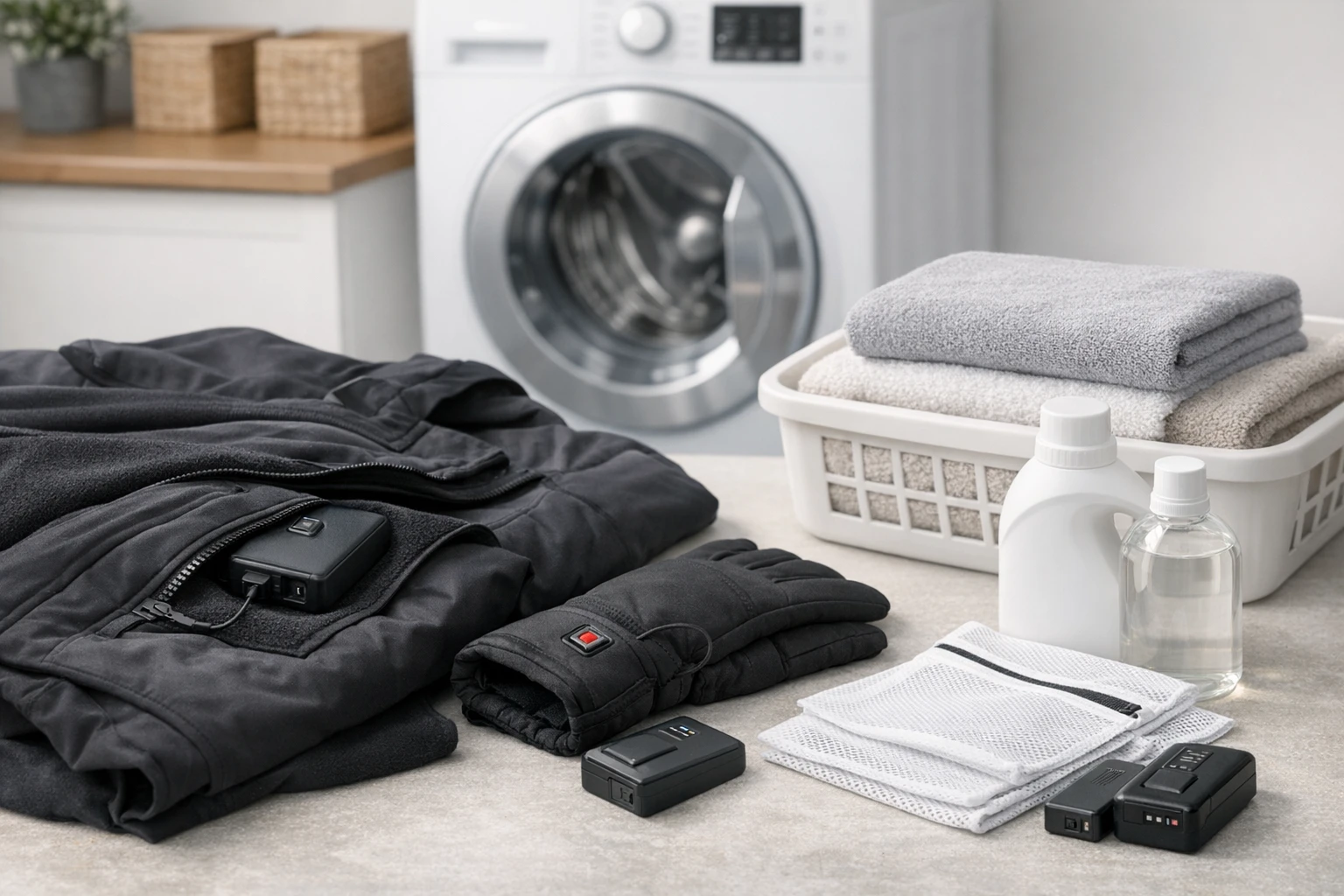
Battery‑heated clothing offers warmth during cold weather, but the built‑in electronics require special care when laundering. This guide explains how one can clean such garments safely, preserve battery life, and maintain performance. One will learn the proper preparation, washing techniques, drying methods, and post‑wash care. The information is valuable because improper cleaning can short‑circuit batteries, reduce heating efficiency, or void warranties.
The steps presented combine best practices with recommended products that simplify the process. Even without purchasing the tools, the guide provides enough detail for anyone to protect their heated apparel.
What You Will Need
- A mild, enzyme‑based detergent suitable for activewear.
- A gentle, fragrance‑free detergent for delicate fabrics.
- Mesh laundry bags to protect delicate components.
- Portable folding hangers with clips for air‑drying.
- A washing machine with a delicate or cold‑water cycle.
- A clean, flat surface for final inspection.
Step 1: Prepare the Garment
Before placing a battery‑heated item in the washer, one should disconnect the battery pack if it is removable. Many heated jackets feature a zip‑out power pack; removing it prevents water intrusion and reduces the risk of short‑circuiting. If the battery is sewn in, verify that the manufacturer permits machine washing; otherwise, hand‑wash only the outer shell.
Next, turn all zippered pockets inside out and fasten any Velcro closures. This prevents the fasteners from catching on other items and reduces friction that could damage the heating elements. One should also inspect the garment for visible debris or loose threads that could become entangled.
Finally, place the garment inside a Polecasa Mesh Laundry Bags. The mesh design shields delicate wiring while allowing water to circulate freely. The bags are CA Prop 65 compliant, lead‑free, and feature rust‑proof zippers that stay closed throughout the wash cycle.
Step 2: Choose the Appropriate Detergent
For the outer shell of heated apparel, a plant‑based, enzyme‑rich detergent works best because it eliminates sweat odors without harsh chemicals that could degrade conductive fibers. The Active Wear Laundry Detergent provides 90 loads, is phosphate‑free, and contains natural enzymes that break down protein‑based stains while protecting synthetic blends. At $29.95 and a rating of 4.6 / 5.0 from 5,569 reviews, it offers both value and performance.
If the garment includes silk linings, wool trims, or other delicate fabrics, supplement the wash with a fragrance‑free, enzyme‑based liquid such as Dirty Labs Hand Wash Detergent. This product is hypoallergenic, biodegradable, and rated 4.3 / 5.0 from 4,841 reviews. It is especially useful for hand‑washing the battery pack housing or any removable inserts, as the gentle formula prevents damage to sensitive components.
Use the recommended dosage: one scoop (approximately 8 ml) of Active Wear Powder for a standard load, and 8–12 ml of Dirty Labs liquid for hand‑washing delicate sections. Over‑dosing can leave residue that interferes with heat distribution.
Step 3: Set the Washing Machine
Select a cold‑water cycle (30 °C or 86 °F) and the delicate or hand‑wash program. Cold water preserves battery integrity and prevents thermal shock to conductive fibers. Use a low spin speed (400 rpm or less) to reduce mechanical stress on the heating wires.
Do not add fabric softeners or bleach, as these chemicals can corrode metal contacts and diminish the lifespan of the heating elements. Instead, rely on the enzymatic action of the chosen detergents to achieve softness and odor removal.
Start the machine and allow it to complete the full rinse cycle. The extra rinse ensures that no detergent residue remains on the conductive pathways.
Step 4: Hand‑Wash Removable Batteries and Inserts
If the battery pack is removable, place it in a basin filled with lukewarm water and a few drops of Dirty Labs Hand Wash Detergent. Gently agitate for 30 seconds, then rinse thoroughly with clean water. Pat dry with a lint‑free cloth; do not wring or twist the pack.
Allow the battery to air‑dry completely on a flat, non‑conductive surface before reinstalling it. This step prevents moisture from entering the electronic circuitry, which could cause corrosion or short‑circuiting.
Step 5: Dry the Garment Properly
After the wash cycle finishes, remove the garment from the mesh bag and gently shake out excess water. Do not use a dryer, as high heat can damage the heating elements and battery. Instead, lay the garment flat on a clean towel, roll the towel to absorb moisture, and then unroll.
Hang the garment using Travel Hangers with Clips. The clips hold sleeves and cuffs securely, allowing air to circulate around the heated zones. Hang the garment in a well‑ventilated area away from direct sunlight or radiators. Air‑drying at room temperature preserves the battery’s internal chemistry and prevents warping of synthetic fabrics.
Allow the garment to dry completely (typically 12–24 hours depending on humidity) before reinstalling the battery pack. One should verify that the heating elements are dry by feeling for any lingering moisture before powering the device.
Step 6: Reassemble and Test
Once the garment and battery pack are fully dry, reinsert the battery according to the manufacturer’s instructions. Ensure that the connection pins align properly and that the zippered compartment closes snugly.
Turn on the heating function for a brief test. The garment should warm evenly within a few seconds. If any hotspots or uneven heating are observed, inspect the wiring for residual moisture or detergent buildup.
Finally, store the heated clothing in a cool, dry place when not in use. Avoid folding the garment tightly around the battery; instead, roll it loosely or hang it to maintain the integrity of the heating elements.
Tips & Pro Tips
- Always follow the manufacturer’s warranty guidelines; some brands require hand‑washing only.
- Do not overload the washing machine; excess weight can cause the garment to twist and stress the internal wires.
- Use mesh laundry bags for every wash to prevent zippers and Velcro from catching on the heating wires.
- For stubborn odor, pre‑soak the outer shell in a solution of Active Wear Powder and cold water for 15 minutes before the main wash.
- When traveling, pack the battery pack separately in a waterproof pouch to avoid accidental spills.
Troubleshooting
| Problem | Possible Cause | Solution |
|---|---|---|
| Heating element does not warm | Residual moisture or disconnected battery | Ensure the garment is completely dry, reseat the battery, and test again. |
| Uneven heat distribution | Detergent buildup on conductive fibers | Rinse the garment an additional cycle without detergent. |
| Battery swelling or leakage | Exposure to high heat or moisture | Stop using the battery, contact the manufacturer for replacement. |
Conclusion
Washing battery‑heated clothing safely requires careful preparation, the right detergents, and gentle drying techniques. By following the steps outlined above, one can extend the life of the heating system, maintain performance, and avoid costly repairs. The recommended products—Active Wear Laundry Detergent, Dirty Labs Hand Wash Detergent, Travel Hangers with Clips, and Polecasa Mesh Laundry Bags—provide specialized support for each stage of the process. One is encouraged to implement these practices regularly to enjoy reliable warmth throughout the winter season.
Products Mentioned in This Guide
Frequently Asked Questions
Can I wash battery‑heated jackets in a regular washing machine?
Yes, but use a delicate or cold‑water cycle, place the garment in a mesh laundry bag, and ensure the battery is removed first.
Do I need to remove the battery before washing heated clothing?
Always remove the battery and any detachable heating elements to prevent short‑circuits and damage.
What type of detergent is safe for heated apparel?
Use a mild, enzyme‑based or fragrance‑free detergent designed for activewear and avoid bleach or fabric softeners.
How should I dry battery‑heated garments after washing?
Air‑dry on a flat surface or hang with a folding hanger; never use a dryer or direct heat sources.
Will washing affect the warranty of my heated clothing?
Improper washing can void the warranty, so follow the manufacturer’s cleaning instructions exactly.