Introduction
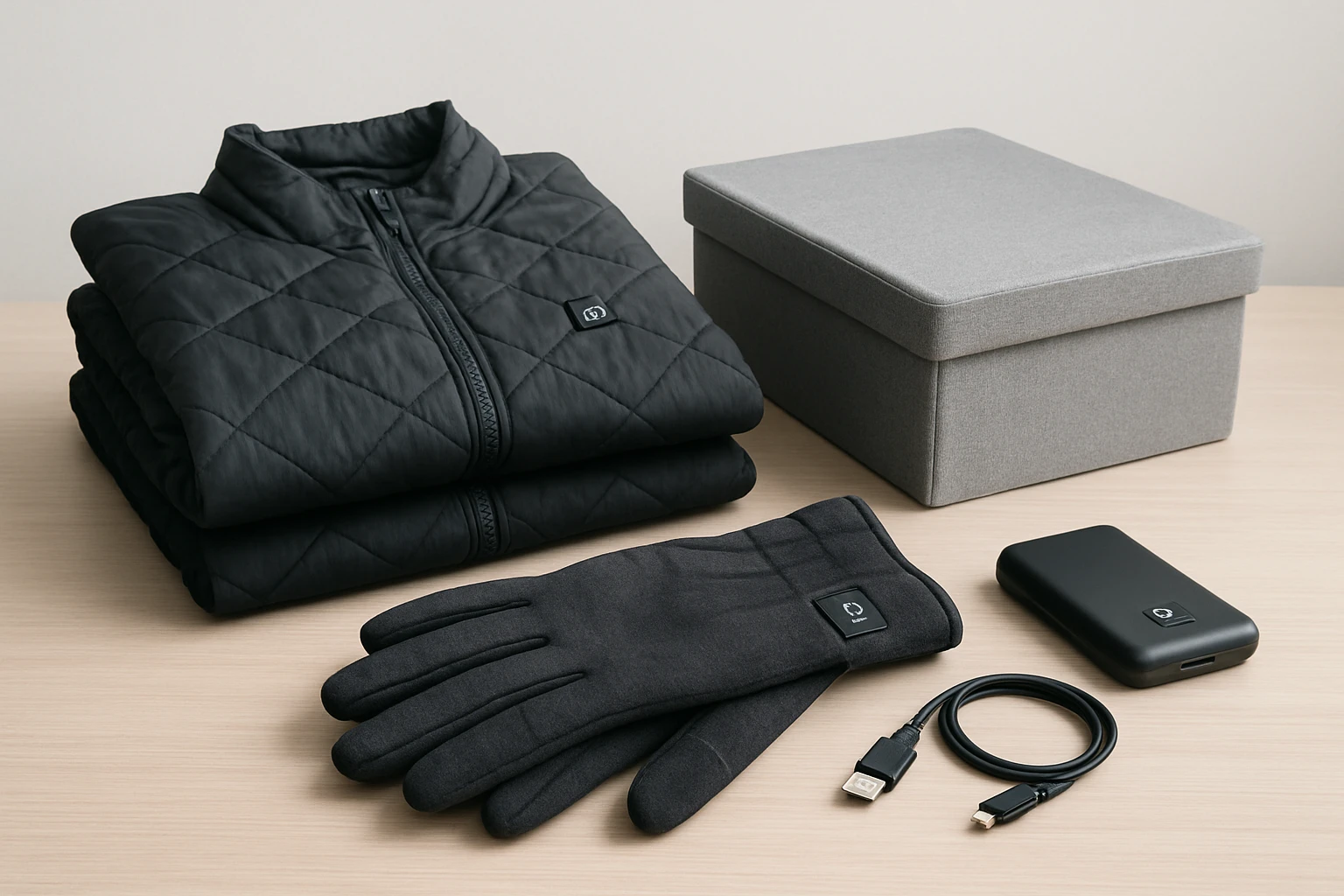
Winter clothing that incorporates electric heating elements has become an essential tool for outdoor workers, athletes, and anyone who faces sub‑zero temperatures. Proper storage extends the life of both the battery pack and the high‑tech fabric, preventing costly replacements and ensuring consistent warmth when the next cold spell arrives. This guide explains how to store battery‑heated clothing safely, protect the integrated batteries, maintain fabric integrity, and keep performance at its peak. Readers will acquire actionable steps, practical tips, and product examples that illustrate each stage of the process.
What You'll Need
- Clean, dry workspace with moderate temperature (15‑20°C).
- Soft lint‑free cloths for wiping surfaces.
- Silica‑gel packets or a small dehumidifier for moisture control.
- Protective storage containers or breathable garment bags.
- Charging cable and charger compatible with the vest's battery pack (included with most heated garments).
Below, each step includes a recommended product that exemplifies the tools or garments you may be storing.
Step 1: Gather and Organize Your Heated Garments
Begin by collecting all battery‑heated items in one location. Separate vests, jackets, and any accessories such as heated gloves or neck warmers. Create a short inventory list that notes the model, battery capacity, and any special features. This organization prevents misplaced items and helps you track when each battery was last charged.
A useful reference piece is the KOVNLO Heated Vest. Priced at $69.99 and rated 4.5 stars from 593 reviews, this vest includes a compact battery pack that fits easily into a small storage bag. By handling a vest with a known battery size, you can estimate the space required for other garments.
Why this product? Its lightweight fleece construction demonstrates how a thin heated layer can be stored flat without crushing the heating elements, making it an ideal baseline for organizing other, bulkier items.
Step 2: Clean and Inspect Each Item
Before storage, remove any dirt, sweat, or debris that could degrade fabric fibers or interfere with heating elements. Follow these actions:
- Detach the battery pack and set it aside.
- Spot‑clean the exterior with a damp cloth; avoid submerging the garment.
- Check seams, zippers, and heating zones for wear.
- Record any damage in your inventory list.
The ORORO Women's Heated Fleece Vest serves as a model for thorough inspection. At $109.99 with a 4.3‑star rating from 2,107 reviewers, it features heated collar and fleece‑lined pockets that can trap moisture if not dried properly. Cleaning this vest illustrates the importance of drying pockets completely before storage.
Why this product? Its heated pockets are a common source of residual dampness; learning to dry them correctly protects both the fabric and the battery from corrosion.
Step 3: Store Batteries Separately in a Controlled Environment
Batteries are the most temperature‑sensitive component of heated clothing. Improper storage can lead to capacity loss, swelling, or safety hazards. Follow these guidelines:
- Charge the battery to approximately 80 % before storing. A partially charged cell reduces stress and prolongs lifespan.
- Place the battery in a fire‑resistant container or a dedicated battery bag.
- Store the container in a cool, dry place—ideally between 10 °C and 25 °C (50‑77 °F).
- Avoid direct sunlight, high humidity, and freezing temperatures.
Both the KOVNLO Heated Vest and the ORORO Men's Lightweight Heated Vest include removable battery packs. The ORORO men's vest, priced at $149.99 with a 4.6‑star rating from 11,262 reviews, uses a USB‑C rechargeable battery that benefits from being stored at room temperature. Users report that keeping the battery warm inside the vest during cold weather preserves capacity, reinforcing the need for a controlled storage environment.
Why these products? They illustrate two common battery formats—integrated versus removable—and demonstrate that proper storage practices apply universally.
Step 4: Store the Garments in a Breathable, Moisture‑Controlled Space
After cleaning and drying, place each garment in a storage solution that balances protection and airflow:
- Fold the vest or jacket loosely to avoid compressing heating wires.
- Insert a silica‑gel packet or a small desiccant pouch into each pocket.
- Place the folded item inside a breathable garment bag (cotton or mesh) rather than a sealed plastic bag.
- Label the bag with the inventory information created in Step 1.
The DEWBU Heated Jacket offers a real‑world example of a bulkier outerwear piece that benefits from hanging rather than folding. Priced at $149.99 with a 4.3‑star rating from 3,983 reviews, its soft‑shell construction can retain heat in the fabric if compressed for long periods. Storing it on a padded hanger inside a breathable bag prevents the heating zones from being pressed flat, preserving both comfort and durability.
Why this product? Its larger silhouette demonstrates the need for space‑saving yet non‑compressive storage methods, especially for jackets with multiple heat zones.
Step 5: Perform Periodic Maintenance Checks
Even when stored correctly, batteries and heating elements benefit from occasional attention. Schedule a quarterly review:
- Visually inspect batteries for swelling or corrosion.
- Reconnect the battery to a charger for a brief top‑up (no more than 30 minutes) to keep cells active.
- Run a short heat cycle (low setting for 5‑10 minutes) to confirm that heating elements function.
- Refresh desiccant packets if they appear saturated.
The Venustas Dual‑Control Heated Jacket serves as a comprehensive case study. At $119.98 with a 4.4‑star rating from 2,227 reviews, it features six heat zones and a detachable hood. Users note that the jacket’s battery pack lasts up to eight hours, but the connection wire can become loose over time. Regular maintenance, as described above, catches such issues before they affect performance.
Why this product? Its dual‑control system and multiple heat zones illustrate the complexity of modern heated apparel, reinforcing the value of routine checks.
Tips & Pro Tips
- Never store a fully depleted battery. Cells left at 0 % can enter a deep‑discharge state that renders them unusable.
- Avoid extreme cold. Even when not in use, batteries left in a freezer lose capacity faster than those kept at moderate temperatures.
- Use a dedicated charger. Chargers not matched to the battery’s voltage can over‑charge or under‑charge, shortening lifespan.
- Label cables and connectors. Over time, wires can become tangled; clear labeling speeds up future setup.
- Consider a backup battery. For high‑usage vests such as the ORORO Men's Lightweight Heated Vest, an extra pack ensures continuous warmth during long outings.
Troubleshooting
Problem: Battery does not charge.
Solution: Verify that the charger matches the battery’s voltage (most heated vests use 7.4 V or 12 V packs). Clean the charging contacts with a dry cotton swab, then attempt a short charge cycle. If the battery still fails, contact the manufacturer’s support—many users of the Venustas jacket report successful replacements after contacting customer service.
Problem: Heating elements feel uneven.
Solution: Ensure the garment is fully dry; residual moisture can cause localized cooling. Check that the battery is securely seated in its pocket, as a loose connection can reduce power to specific zones. Re‑position the battery pack as demonstrated with the ORORO Men's vest, where users note that a snug fit improves heat distribution.
Conclusion
Proper storage of battery‑heated clothing safeguards both the high‑tech heating elements and the rechargeable batteries that power them. By following the five steps—organizing, cleaning, storing batteries separately, using breathable containers, and performing periodic maintenance—readers can extend the functional life of their garments and avoid costly replacements. The product examples provided illustrate real‑world applications of each recommendation, but the principles apply to any heated apparel. Implement these practices now, and enjoy reliable warmth season after season.
Products Mentioned in This Guide
Frequently Asked Questions
How should I store the battery pack of heated clothing during the off‑season?
Keep the battery at about 40‑60% charge, in a cool (15‑20°C) dry place, and store it in its original case or a breathable bag away from direct sunlight.
Do I need to clean heated garments before storing them?
Yes, gently wipe the fabric with a lint‑free cloth to remove sweat and debris, then let it air‑dry completely before packing.
What role do silica‑gel packets play in garment storage?
They absorb residual moisture, preventing corrosion of the battery contacts and mold growth in the fabric.
Can I store heated clothing in a regular plastic bag?
Avoid airtight plastic bags; use breathable garment bags or containers with ventilation to reduce humidity buildup.
How often should I check stored heated clothing before the next winter?
Inspect the battery charge and fabric condition every 2‑3 months, recharge the battery to the recommended level, and ensure no moisture has accumulated.