How to Size Heated Clothing: The Ultimate Guide to Finding the Perfect Fit for Heated Jackets, Gloves & Pants
Introduction
One often underestimates the importance of proper fit when selecting heated apparel, yet an ill‑fitting garment can diminish warmth and comfort. This guide will teach the reader how to measure, interpret size charts, and evaluate design features that affect fit. By following the step‑by‑step instructions, one will be able to choose heated jackets, gloves, and pants that perform optimally in cold environments. Mastering these techniques will also reduce the likelihood of returns and increase overall satisfaction.
What You’ll Need
- A flexible measuring tape
- A notebook or digital device for recording measurements
- Access to the manufacturer’s size chart (usually found on the product page)
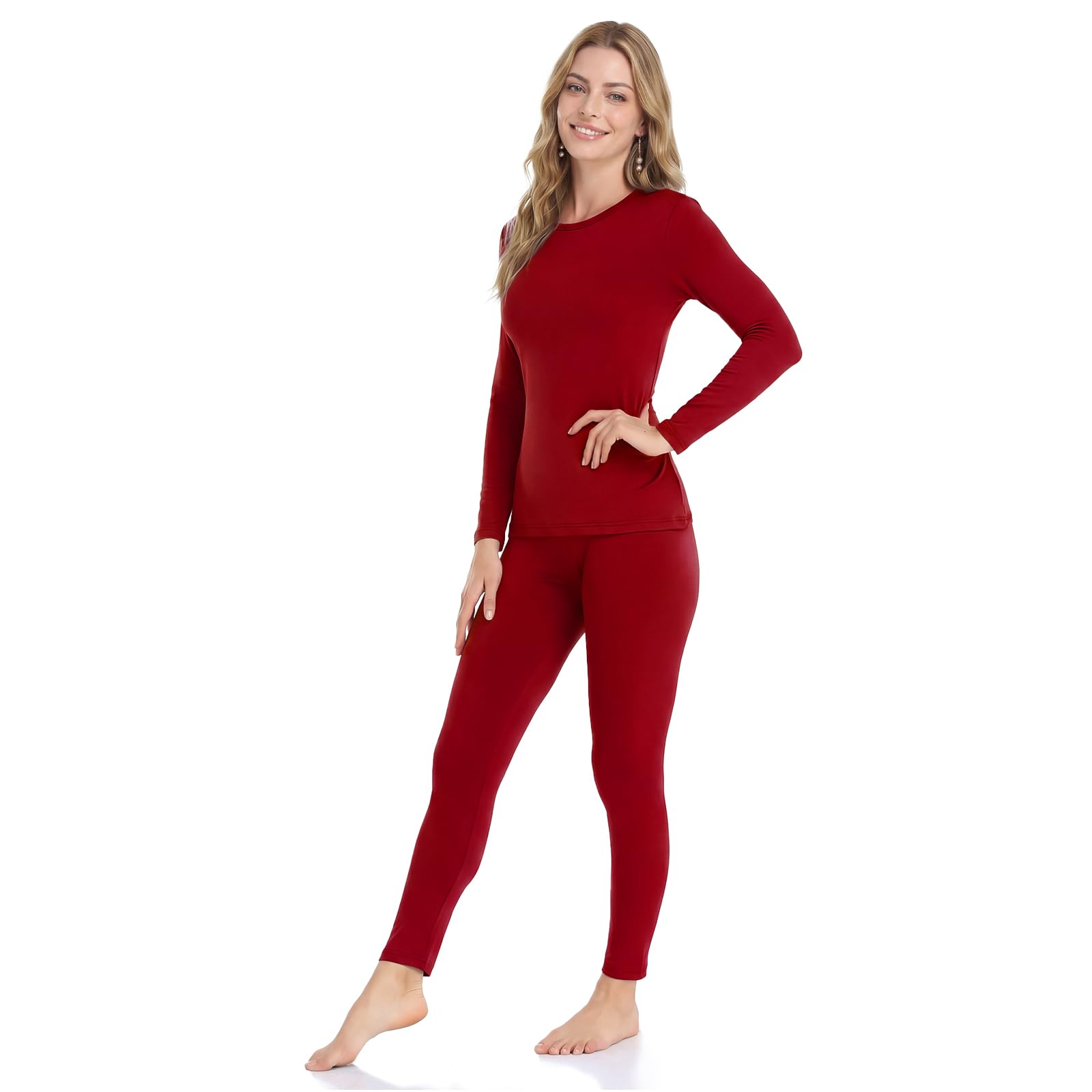
- Base layer clothing for trial fitting, such as the WEERTI Thermal Underwear Set
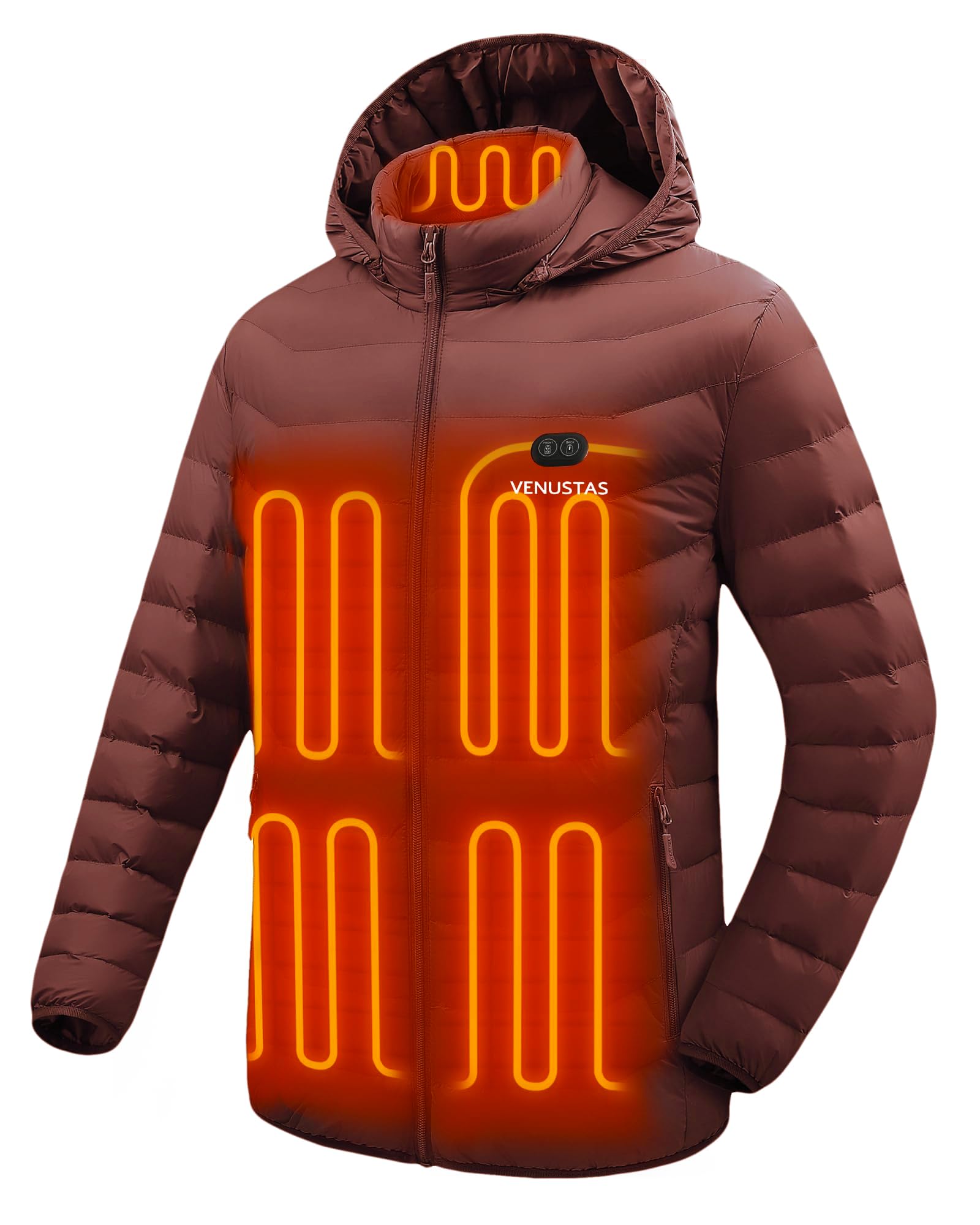
- A heated jacket for reference, for example the Venustas Dual‑Control Heated Jacket
Step 1: Take Accurate Body Measurements
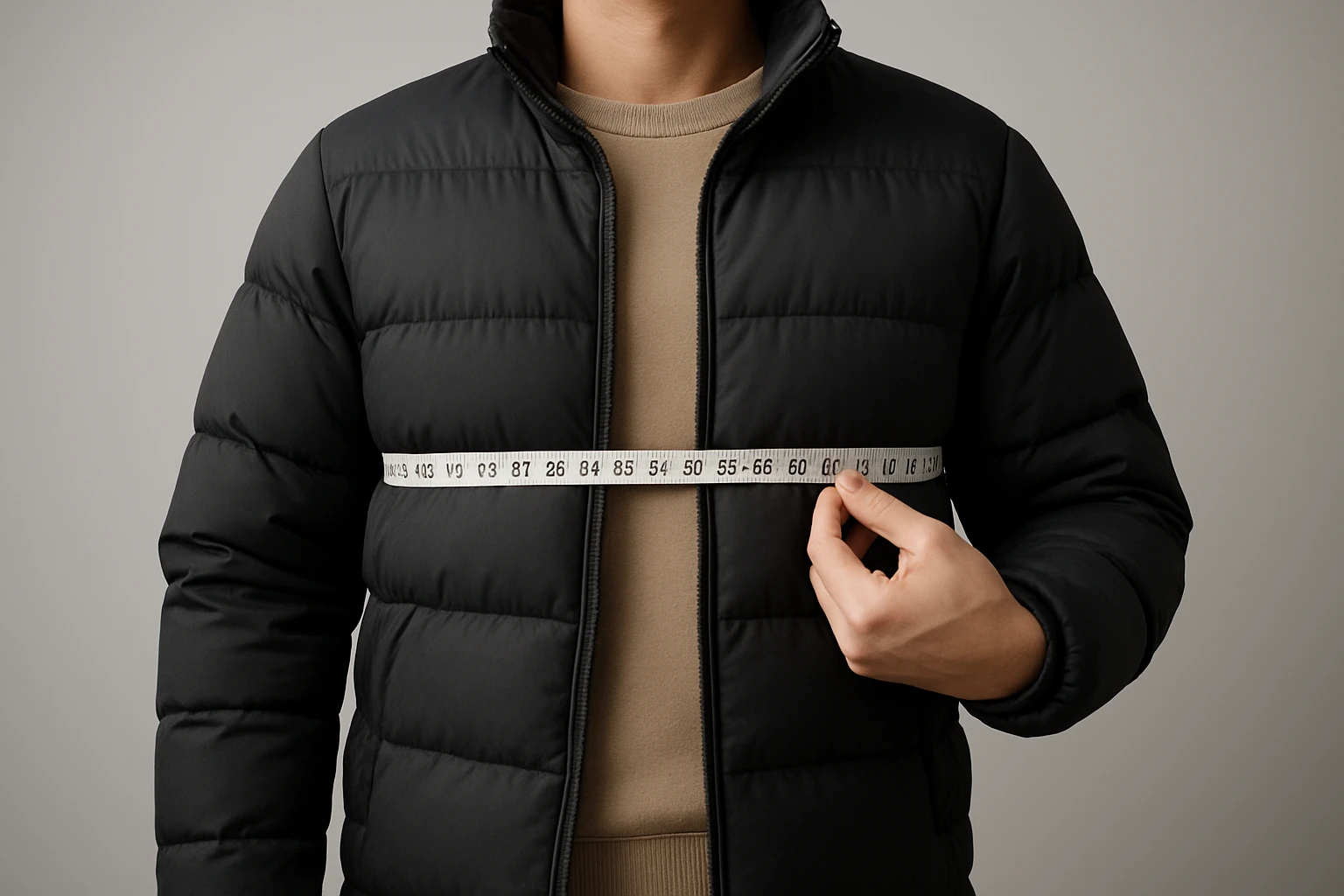
Accurate measurements form the foundation of a successful fit, and one should record chest, waist, hip, and arm length dimensions. Use a flexible tape, placing it snug but not tight around the fullest part of the chest while keeping the arms relaxed at the sides. For the arm length, measure from the acromion (shoulder tip) to the wrist bone, noting any additional length needed for a detachable hood. Write each measurement in centimeters and inches to match the size chart format provided by the retailer.
Step 2: Interpret the Manufacturer’s Size Chart
Most heated clothing brands publish a size chart that correlates body measurements with garment sizes, and it is essential to compare one’s recorded numbers against this chart. Look for columns labeled "Chest," "Waist," and "Hip" and select the size where all three measurements fall within the indicated range. If a measurement lands on the boundary between two sizes, consider the intended layering strategy; a tighter fit may be preferable for minimal bulk, while a looser fit accommodates thicker base layers.
For the Venustas Dual‑Control Heated Jacket, the size chart recommends a chest measurement of 38‑40 inches for a Medium, which aligns with the product’s unisex design and generous sleeve length. The jacket’s water‑resistant 20D nylon fabric allows a modest amount of stretch, but the heating zones remain fixed, so accurate sizing prevents the elements from being covered by excess material.
Step 3: Evaluate Heating Zones and Battery Placement
Heated jackets incorporate multiple heating zones, and the placement of these zones influences how the garment fits around the torso. The Venustas jacket features six heat zones, including the chest, back, and collar, which require unobstructed contact with the skin for optimal performance. Ensure that the chosen size does not cause the heating pads to bunch or shift when the wearer moves, as this can lead to uneven warmth and accelerated battery drain.
The battery pack, a 7.4 V unit lasting up to eight hours, is typically positioned in an internal pocket near the lower back. A size that is too small may compress the battery compartment, risking damage, while an overly large size could leave the pack dangling and exposed. Verify that the pocket remains accessible yet secure after trying the jacket on.
Step 4: Test Fit with Base Layers
Heated apparel is rarely worn alone; a high‑quality base layer enhances thermal regulation and provides a realistic fit assessment. The WEERTI Thermal Underwear Set offers a fleece‑lined top and bottom that mimic the thickness of typical winter clothing, making it an ideal test garment.
Put on the thermal underwear, then layer the heated jacket over it. Move the arms, sit, and bend to simulate everyday activities; the jacket should glide smoothly without pulling or restricting motion. Pay attention to the sleeve cuff, which should sit comfortably over the wrist without cutting off circulation, and to the hood, which should accommodate a beanie if needed.
Step 5: Adjust Fit Features and Secure the Battery
Many heated jackets include adjustable elements such as drawstrings, Velcro cuffs, and detachable hoods; these should be fine‑tuned after the initial fitting. Tighten the cuffs to prevent cold air ingress while ensuring that the heating elements in the sleeves remain exposed to the skin. If the jacket has a one‑way zipper, consider whether a two‑way zipper would better serve activities that require frequent sitting or squatting.
Finally, insert the battery pack into its pocket, close the flap, and verify that the indicator lights are visible. Press the control button to cycle through the three temperature settings, confirming that each level activates the appropriate zones. A well‑fitted jacket will allow the wearer to operate the controls without excessive reaching or strain.
Tips & Pro Tips
- Measure body dimensions at the end of the day when the body is slightly larger due to daily activity; this provides a more forgiving fit.
- When purchasing online, read the “Fit” section of customer reviews; many users share whether they ordered a size up or down.
- Charge the battery pack overnight before the first use; a fully charged battery ensures the heating elements reach their maximum output during the fitting trial.
- Consider a size that allows a thin fleece or merino layer underneath; this adds warmth without compromising the heating zones.
Troubleshooting
Problem: The heating elements do not activate after the jacket is fitted.
Solution: Verify that the battery pack is fully charged and correctly seated in its pocket. Check that the connection wire is not twisted or bent, as a faulty connection can interrupt power flow. If the issue persists, consult the manufacturer’s warranty, noting that Venustas offers a 90‑day guarantee for replacement parts.
Problem: The jacket feels bulky when layered.
Solution: Re‑evaluate the chosen size; a size that is too small may compress the insulation, creating a puffy appearance. Switch to a size larger by one increment and repeat the base‑layer test.
Conclusion
One now possesses a systematic approach to measuring, interpreting size charts, and testing heated garments with appropriate base layers. By applying the steps outlined above, one can confidently select a heated jacket, glove, or pant that delivers consistent warmth and freedom of movement. Proper fit also extends the lifespan of the battery pack and heating elements, ensuring that the investment provides value throughout the cold season. Readers are encouraged to employ these techniques for future purchases and share their experiences with fellow outdoor enthusiasts.
Products Mentioned in This Guide
Frequently Asked Questions
How do I measure my chest and torso for a heated jacket?
Wrap a flexible tape around the fullest part of your chest, keeping it level, then compare that measurement to the brand’s size chart.
What should I do if I fall between two sizes?
Choose the larger size for a comfortable fit and to accommodate base layers, unless the brand recommends sizing down for a tighter thermal seal.
Are heated gloves sized differently than regular gloves?
Yes, measure the circumference of your hand at the knuckles (excluding the thumb) and follow the manufacturer’s glove-specific chart, as heating elements add bulk.
How does wearing a base layer affect the fit of heated clothing?
Base layers add thickness, so select a size that allows a snug but not restrictive fit over the layer to maintain heat distribution.
Can I return a heated garment if it doesn’t fit?
Most retailers offer a return window; keep the tags and original packaging and check the seller’s return policy before purchasing.