
How to Safely Charge Heated Clothing in an Electric Vehicle (EV): Step‑by‑Step Guide, Safety Tips & Battery Care
Introduction
One will learn how to power heated garments while traveling in an electric vehicle without compromising safety or battery health. The guide explains the required equipment, proper connection techniques, and essential precautions. Understanding these steps enables reliable warmth during cold‑weather journeys and preserves the vehicle’s high‑voltage system. Readers will gain confidence to charge heated clothing efficiently and responsibly.
What You’ll Need
- KOVNLO Heated Vest – $49.99, 4.4★ rating, battery pack not included.
- SUNNOBE Heated Vest Power Bank – $18.99, 4.5★ rating, 10000 mAh capacity.
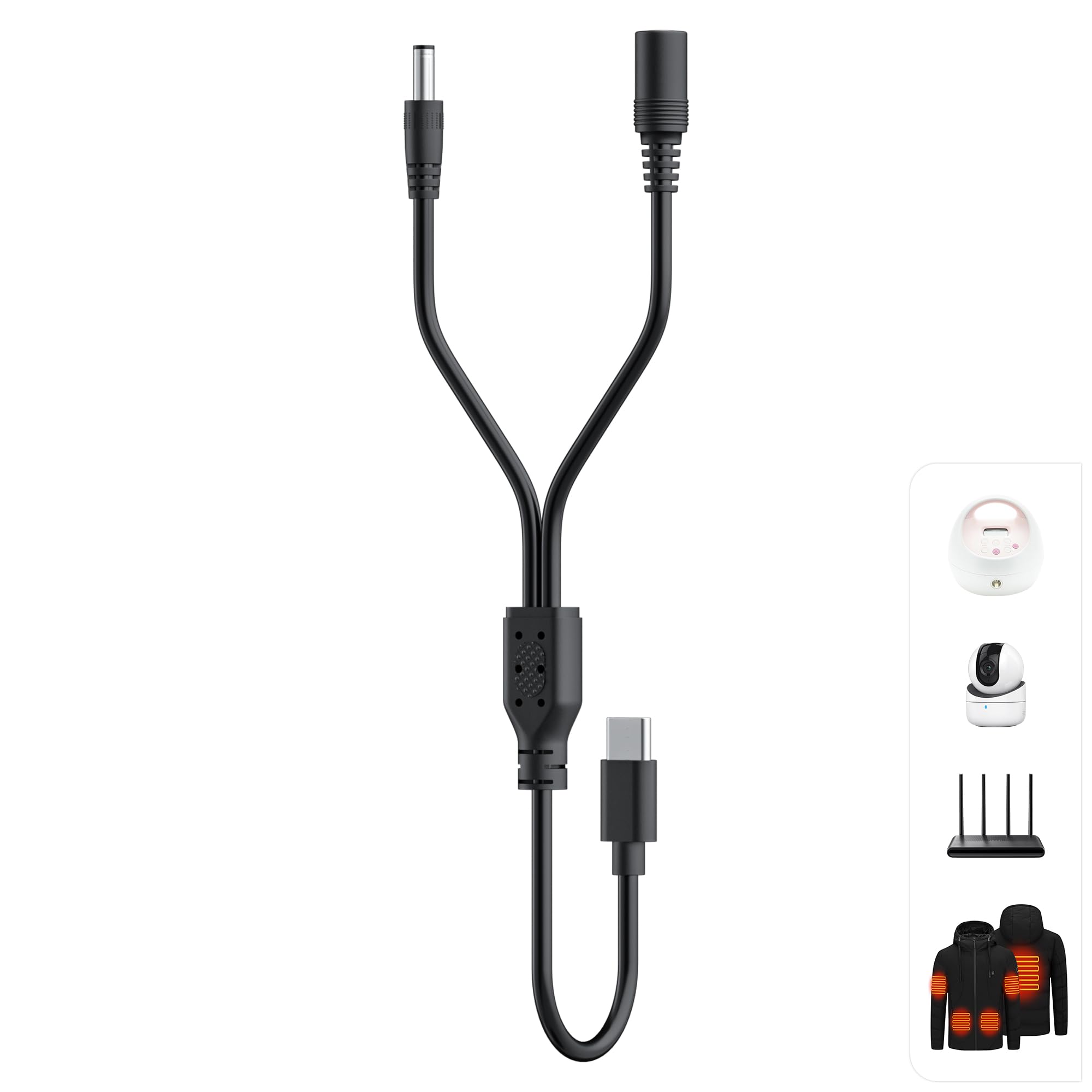
- VINTELEIN Type‑C to DC Adapter Cable – $4.99, 3.8★ rating, converts USB‑C PD to 12 V DC.
- Smarkey 12V Heated Jacket Adapter – $9.99, 4.4★ rating, plugs into standard 12 V sources.
- Vehicle 12 V DC outlet (cigarette‑lighter socket) or dedicated EV charging port with DC output.
- Insulated cable ties or Velcro straps for cable management.
- Multimeter for voltage verification (optional but recommended).
Step 1 – Assess Vehicle Power Outlet Compatibility
One should begin by locating the vehicle’s 12 V DC outlet and confirming that it supplies a stable voltage between 11 V and 14 V. Use a multimeter to measure the outlet voltage while the vehicle is idle and again after the climate control system is active. If the outlet provides a standard automotive voltage, it can power most heated garments directly. For vehicles that only expose high‑voltage DC ports, an additional DC‑DC converter is required.
When the outlet is compatible, the Smarkey 12V Heated Jacket Adapter becomes useful because it transforms the vehicle’s socket into a secure plug that matches the vest’s connector. The adapter is priced at $9.99, carries a 4.4★ rating, and is designed for heavy‑duty use on motorcycles and utility vehicles, making it robust enough for automotive environments.
Step 2 – Prepare Heated Clothing and Power Source
One must ensure that the heated garment is clean, dry, and its internal battery pack (if separate) is fully charged. The SUNNOBE Heated Vest Power Bank serves as an independent power source that can extend runtime when the vehicle outlet is unavailable. This power bank offers a 10000 mAh capacity, delivering 4–8 hours of heat on the lowest setting, and features a smart LED display that indicates remaining charge. Priced at $18.99 with a 4.5★ rating, it provides flexibility for short trips or when the vehicle is parked.
Before connecting, verify that the power bank’s output voltage matches the vest’s requirements (typically 7.4 V). The power bank includes DC, USB, and Type‑C ports, allowing connection to a variety of adapters. Charging the power bank from the vehicle’s outlet can be performed later in the process.
Step 3 – Connect Power Bank or Adapter to Vehicle
One should connect the chosen power source to the vehicle’s 12 V outlet using the appropriate cable. If the heated vest includes a proprietary 7.4 V plug, the VINTELEIN Type‑C to DC Adapter Cable can convert a USB‑C PD power bank to the required 12 V DC output. This cable costs $4.99, holds a 3.8★ rating, and automatically negotiates 12 V when attached to a compatible power bank.
For a direct vehicle connection, attach the Smarkey Adapter to the 12 V socket, then plug the vest’s DC connector into the adapter. The adapter’s heavy‑duty construction ensures a secure mechanical lock, reducing the risk of accidental disconnection while driving. Always secure the cable with insulated ties to prevent dangling wires that could interfere with pedals or steering.
Step 4 – Secure Clothing and Monitor Temperature
One must fasten the heated vest according to the manufacturer’s instructions, ensuring that the heating elements lie flat against the body. Activate the vest’s smart controller and select the desired heat level. The KOVNLO Heated Vest includes an integrated smart controller with lights‑out mode, allowing one to adjust temperature without exposing the control panel. Priced at $49.99, it has a 4.4★ rating and provides consistent warmth for up to 8 hours on a single charge.
During operation, monitor the vest’s temperature indicators and the power source’s LED display. If the vest or power bank begins to overheat, reduce the heat setting or disconnect immediately. Maintaining a clear line of sight to the LED display helps prevent unexpected battery depletion.
Step 5 – Disconnect and Store Safely
One should turn off the vest’s heating function before the vehicle is turned off. Disconnect the adapter or power bank from the 12 V outlet, then store the vest in a dry location. If a power bank was used, recharge it using the vehicle’s outlet or a standard wall charger before the next use. Regularly inspect cables for wear and replace any damaged components to preserve safety.
Tips & Pro Tips
- Always verify that the vehicle’s 12 V outlet is fused appropriately; a blown fuse can cause intermittent power loss.
- Use insulated cable ties to route cables away from moving parts and heat sources.
- When using the SUNNOBE Power Bank, enable the power‑saving mode after the vest reaches the desired temperature to extend battery life.
- Consider a short‑circuit protector between the adapter and vest for added safety, especially in high‑humidity environments.
- Periodically clean the vest’s connectors with a dry cloth to maintain good electrical contact.
Troubleshooting
| Problem | Possible Cause | Solution |
|---|---|---|
| Vest does not heat | Insufficient voltage from outlet | Check outlet voltage with multimeter; use Smarkey Adapter or VINTELEIN cable to ensure correct output. |
| Power bank drains quickly | High heat setting | Reduce heat level or enable LED power‑saving mode on SUNNOBE Power Bank. |
| Intermittent connection | Loose cable or damaged plug | Secure connections with cable ties; replace any frayed cables. |
Conclusion
One now possesses a clear, step‑by‑step method for safely charging heated clothing in an electric vehicle. By selecting the appropriate adapter, power bank, and vest, and by following the safety guidelines, one can enjoy reliable warmth without jeopardizing vehicle electronics or battery health. Continuous adherence to the recommended practices will extend the lifespan of both the heated garments and the vehicle’s power system.
Products Mentioned in This Guide
Frequently Asked Questions
Can I plug a heated clothing power bank directly into an EV’s USB‑C port?
Yes, if the EV’s USB‑C port supports Power Delivery and the power bank’s input voltage matches the port’s output.
What voltage should I use to power a heated vest in an electric car?
Most heated garments operate at 12 V DC, so use a USB‑C to 12 V DC adapter or the car’s 12 V accessory socket.
Will charging heated clothing drain my EV’s main battery significantly?
Charging a typical 10 000 mAh (≈12 V) power bank uses only a few watt‑hours, a negligible impact on overall range.
Are there safety risks when using a heated vest while driving?
The main risks are short circuits or overheating; use certified adapters, avoid covering vents, and disconnect when not needed.
How can I protect my EV’s high‑voltage system while charging heated apparel?
Keep the heated clothing’s low‑voltage system isolated from the vehicle’s high‑voltage battery and use only approved low‑voltage accessories.