How to Repair, Recycle, and Dispose of Heated Gloves: The Complete End‑of‑Life Guide
Introduction
The lifespan of heated gloves often ends when the battery fails, the fabric tears, or the insulation degrades. One does not simply discard these high‑tech accessories; proper end‑of‑life handling protects the environment and maximizes value. This guide explains how to assess repair feasibility, navigate recycling programs, and execute safe disposal. Readers will also discover product recommendations that simplify each step, a comparison chart for selecting the best solution, and actionable tips that reduce waste.
By the end of the article, one will be equipped to make informed decisions that align with sustainability goals while preserving personal safety.
Background and Context
Heated gloves combine electrical components, synthetic fabrics, and often lithium‑ion batteries. The battery contains hazardous chemicals, while the outer shell typically consists of polyester, nylon, or leather treated with waterproof coatings. Understanding the material composition is essential because each component follows different regulatory pathways.
In many jurisdictions, electronic waste (e‑waste) must be separated from textile waste. Batteries require collection at designated drop‑off points, whereas the fabric can be reclaimed by textile recyclers if free of hazardous residues. Failure to follow these protocols can result in soil contamination, water pollution, and unnecessary landfill use.
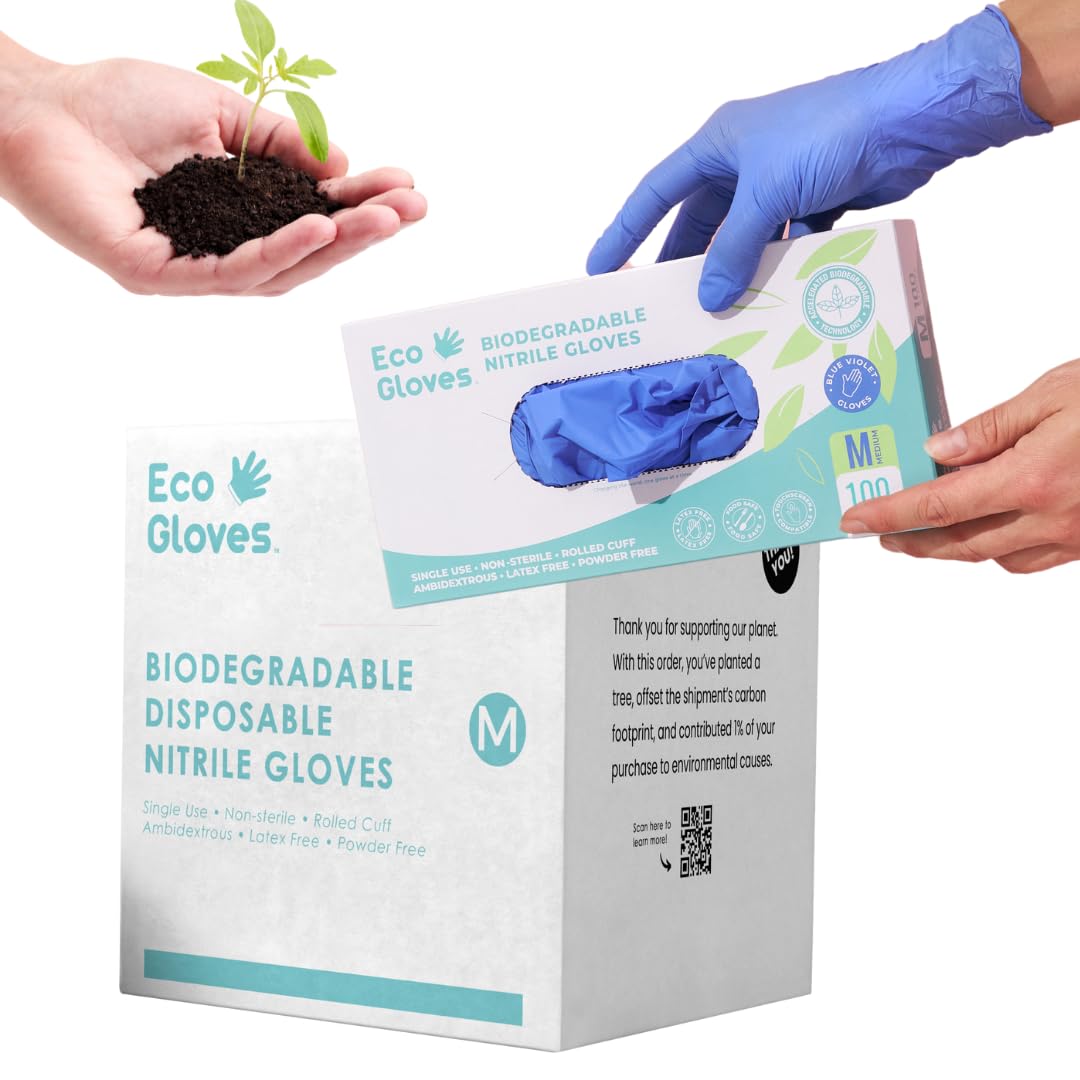
Moreover, the rise of biodegradable alternatives for protective gear offers a complementary solution for handling contaminated gloves during repair or disposal. One such product is the Eco Gloves Biodegradable Nitrile Gloves, which provide a safe barrier when handling battery chemicals.
Understanding Heated Gloves Materials
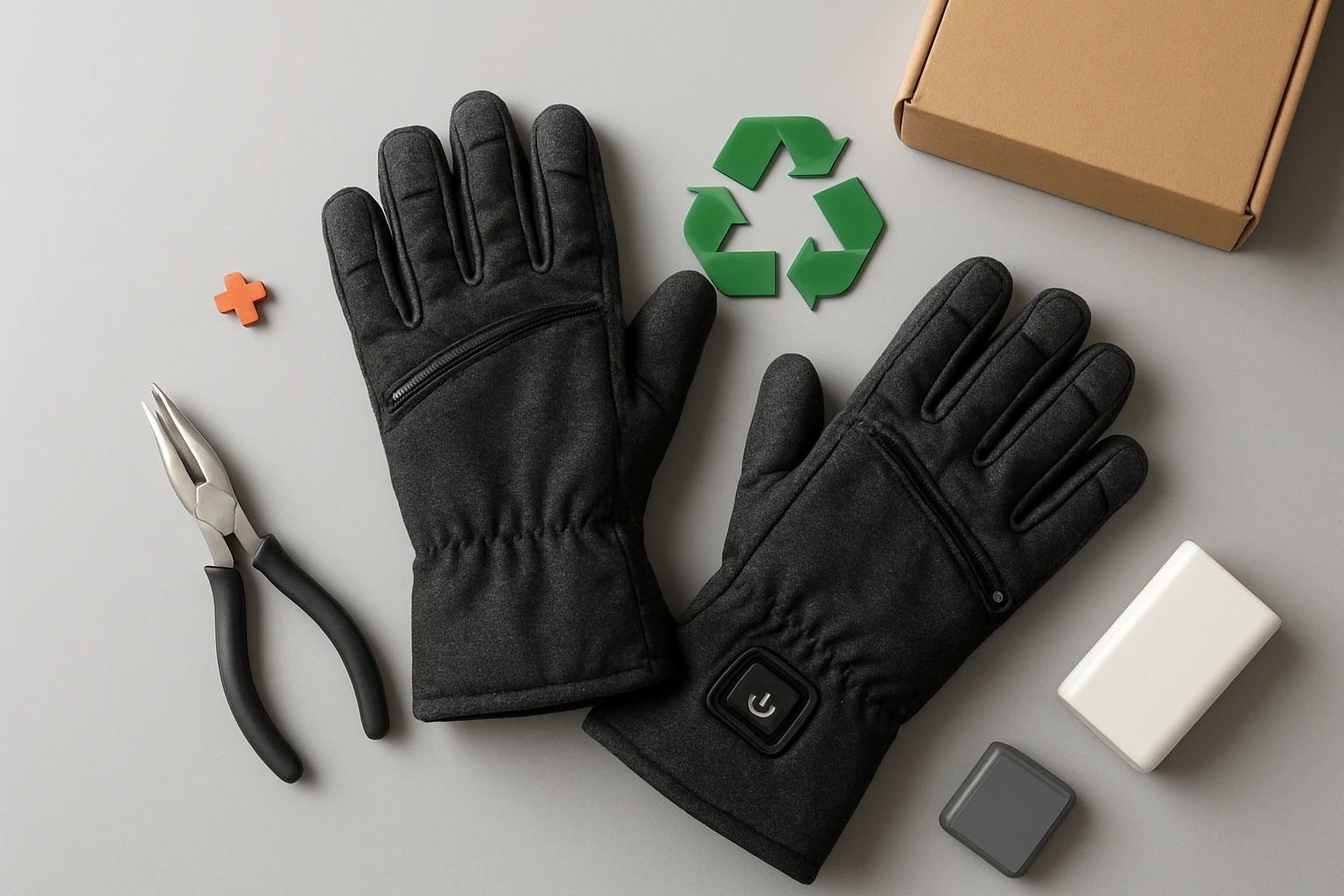
Heated gloves generally consist of three layers: an outer shell, an insulating layer, and an internal heating element powered by a battery pack. The outer shell may be treated with a water‑repellent finish that contains fluoropolymers, which are difficult to recycle. The insulation is often made from Thinsulate or similar polyester fibers that can be shredded for reuse.
The heating element comprises thin carbon or metallic wires woven into the fabric. These wires are soldered to a printed circuit board (PCB) that controls temperature. The PCB, together with the battery, classifies the glove as electronic waste.
When planning repair or recycling, it is crucial to separate these layers without damaging the battery. Improper handling can cause short circuits, fire hazards, or chemical leaks.
Repair Options for Heated Gloves
Repair is the most cost‑effective and environmentally friendly option when the glove’s damage is limited to the battery pack, heating element, or minor fabric tears. The following steps outline a systematic repair process.
- Diagnose the fault. Use a multimeter to check battery voltage and continuity of heating wires. Most manufacturers provide troubleshooting charts that identify common symptoms.
- Replace the battery. Purchase a compatible replacement battery from the original brand or an authorized dealer. Ensure the new battery matches the voltage and capacity specifications.
- Repair the heating element. If a wire is broken, a soldering iron and heat‑resistant solder can reconnect the circuit. For extensive damage, consider a replacement heating pad sold by the glove manufacturer.
- Seal fabric tears. Use a flexible, waterproof fabric adhesive or a patch kit designed for outdoor gear. Apply the adhesive in a well‑ventilated area while wearing protective gloves such as the Eco Gloves Biodegradable Nitrile Gloves to avoid skin contact with adhesive fumes.
Repair kits typically cost between $15 and $30 and can extend the glove’s service life by up to three years, according to user reviews.
Recycling Pathways
If repair is not viable, recycling remains the preferred route. Separate the glove into its constituent parts and follow these guidelines:
- Battery removal. Detach the battery pack and place it in a certified lithium‑ion battery recycling bin. Many electronics retailers such as Best Buy and Home Depot accept batteries free of charge.
- Electronic components. The PCB and wiring can be submitted to e‑waste collection events or specialized recyclers that recover copper, aluminum, and precious metals.
- Textile portion. After ensuring the fabric is free of battery residue, bundle the material for textile recycling programs. Some municipal facilities accept synthetic textiles, while others partner with companies that up‑cycle fabrics into insulation.
When handling contaminated gloves, wear disposable gloves to prevent direct contact with residual chemicals. The Eco Gloves Biodegradable Nitrile Gloves are rated 4.8/5.0 by 214 reviewers, indicating reliable durability and a comfortable fit for short‑term tasks.
Safe Disposal Practices
When recycling infrastructure is unavailable, safe disposal is the last resort. Follow these steps to minimize environmental impact:
- Deactivate the battery. Fully discharge the lithium‑ion cell by connecting it to a resistive load for several hours. This reduces the risk of fire in landfill settings.
- Encapsulate the glove. Place the deactivated glove in a sealed, puncture‑proof bag. Label the bag as "Electronic Waste – Battery Contained".
- Dispose at a landfill that accepts e‑waste. Contact local waste management authorities to confirm acceptance policies.
Even in disposal, using biodegradable nitrile gloves protects the handler from potential chemical exposure.
Comparison/Selection Guide
| Option | Cost | Environmental Impact | Complexity | Typical Outcome |
|---|---|---|---|---|
| DIY Repair Kit | $15‑$30 | Low – extends product life | Medium – requires tools and safety gear | Glove functional for 2‑3 years |
| Professional Repair Service | $40‑$70 | Low – professional parts reuse | Low – service handles disassembly | Factory‑like performance restored |
| Municipal E‑Waste Recycling | Free (often) | Moderate – batteries and electronics recovered | Low – drop‑off only | Materials reclaimed, gloves not reused |
| Textile Recycling Program | Free or small fee | Moderate – synthetic fibers repurposed | Low – requires clean fabric | Fabric turned into insulation or stuffing |
| Landfill Disposal | Varies | High – chemicals may leach | Very low – simple trash drop | Glove ends in landfill, minimal recovery |
When choosing a pathway, prioritize repair or recycling to reduce waste. The table helps readers match budget, skill level, and environmental goals.
Best Practices & Tips
- Maintain a log of battery charge cycles; replace batteries before capacity drops below 80% to avoid sudden failure.
- Store heated gloves in a cool, dry place away from direct sunlight to preserve insulation and battery health.
- When cleaning gloves, use mild soap and lukewarm water. Avoid submerging the battery compartment.
- Always wear protective gloves, such as the Eco Gloves Biodegradable Nitrile Gloves, when handling damaged batteries or adhesive chemicals.
- Participate in local e‑waste collection days; many communities host quarterly events that accept heated apparel.
Frequently Asked Questions
1. Can I replace the battery in any heated glove?
Most heated gloves use proprietary battery packs, but many manufacturers offer compatible replacements. Verify voltage, capacity, and connector type before purchase.
2. Is it safe to charge a repaired glove?
Yes, provided the heating element and wiring have been inspected for short circuits. Use the original charger to avoid over‑voltage conditions.
3. How do I know if my local recycling center accepts heated gloves?
Contact the center directly or review their website. Look for sections on "electronic textiles" or "battery‑containing apparel".
4. What alternatives exist if I cannot find a recycling program?
Consider donating functional gloves to outdoor clubs or charitable organizations. For non‑functional gloves, follow the safe disposal steps outlined above.
5. Are biodegradable nitrile gloves truly eco‑friendly?
These gloves are designed to break down more rapidly than traditional nitrile. They still provide the chemical resistance needed for handling battery residues, making them a responsible choice for temporary protection.
6. How often should I inspect my heated gloves for wear?
Inspect seams, battery contacts, and heating zones before each season of use. Early detection of wear prevents larger failures.
7. Can the heating element be recycled separately?
Yes. The thin wires and PCB can be sent to e‑waste recyclers, which recover copper and precious metals.
Conclusion
Proper end‑of‑life management of heated gloves protects both the environment and personal safety. By assessing repair feasibility, utilizing recycling channels, and following safe disposal protocols, one can significantly reduce landfill contributions. Incorporating protective gear such as the Eco Gloves Biodegradable Nitrile Gloves ensures that handling hazardous components remains risk‑free. The comparison guide and best‑practice checklist empower readers to make choices aligned with sustainability and cost‑effectiveness.
Products Featured in This Guide
Eco Gloves Biodegradable Nitrile Gloves
Price: $16.49
Rating: 4.8/5.0 (214 reviews)
These gloves are powder‑free, latex‑free, and food‑safe, making them ideal for handling battery chemicals and adhesive fumes during repair or disposal of heated gloves.