How to Make Heated Clothing Accessible: A Step-by-Step Guide to Accessible Controls for People with Disabilities
Introduction
One will discover how to transform heated garments into inclusive tools that empower individuals with mobility or sensory challenges. This guide explains the importance of accessible temperature control, outlines a systematic process, and recommends reliable products that simplify implementation. By following the steps, readers can ensure that heated clothing provides warmth without compromising independence or safety. The information is valuable for caregivers, occupational therapists, and anyone seeking to enhance winter comfort for disabled users.
What You’ll Need
- Adaptive switch module or voice‑activated smart plug
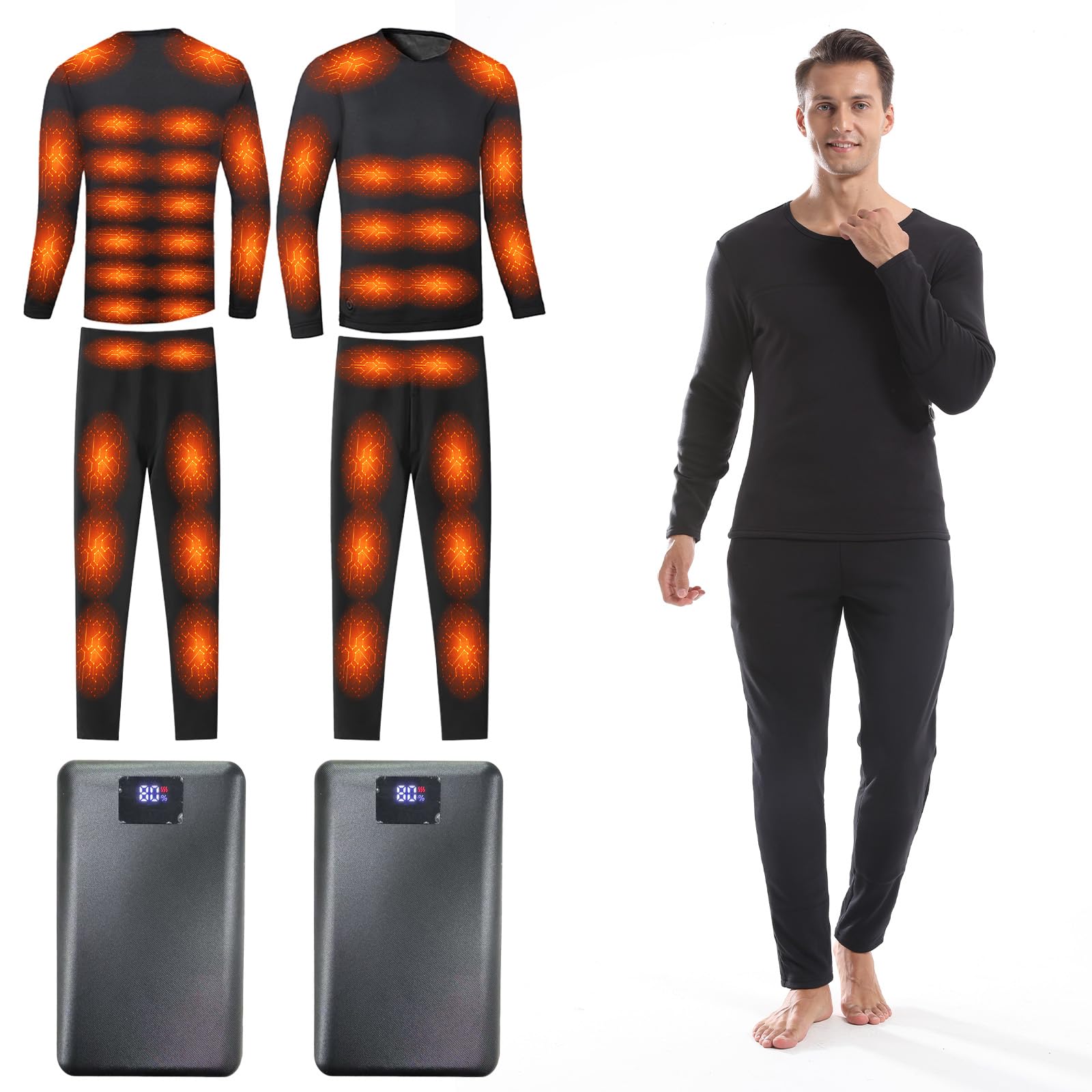
- Two rechargeable 16000 mAh batteries (included with some heated sets)
- Standard insulated heated garment (recommended options are listed below)
- Basic sewing kit for minor adjustments
- Multimeter for verifying circuit continuity
Step 1: Assess User Needs and Accessibility Requirements
The first step is to evaluate the specific limitations of the intended wearer. One should consider hand strength, visual acuity, and cognitive load when selecting a control method. For users with limited finger dexterity, a large‑button switch or voice command is preferable to a small on‑garment button. For individuals with visual impairments, tactile markers and audible feedback improve usability. Document the findings in a brief needs‑assessment worksheet before proceeding to product selection.
Step 2: Choose a Base Heated Garment with Simple Controls
Selecting a garment that already incorporates intuitive heating zones reduces the need for extensive modification. The HEROBIKER Thermal Underwear Set offers ultra‑soft fleece‑lined tops and bottoms that provide consistent warmth without electronic controls, making it ideal for users who prefer passive heat. Priced at $23.99, it serves as an economical foundation layer for individuals who do not require adjustable temperature settings.
For users who desire active temperature regulation, the Foern Heated Thermal Underwear Set includes battery‑powered heating elements, three temperature settings, and a USB‑compatible design. At $109.99 with a rating of 3.7 out of 5 stars from 40 reviews, it provides reliable warmth for extended outdoor activities. The built‑in heating zones (shoulders, back, knees, waist) and removable batteries make it a versatile choice for adaptive control integration.
Step 3: Integrate Adaptive Switches or Voice Activation
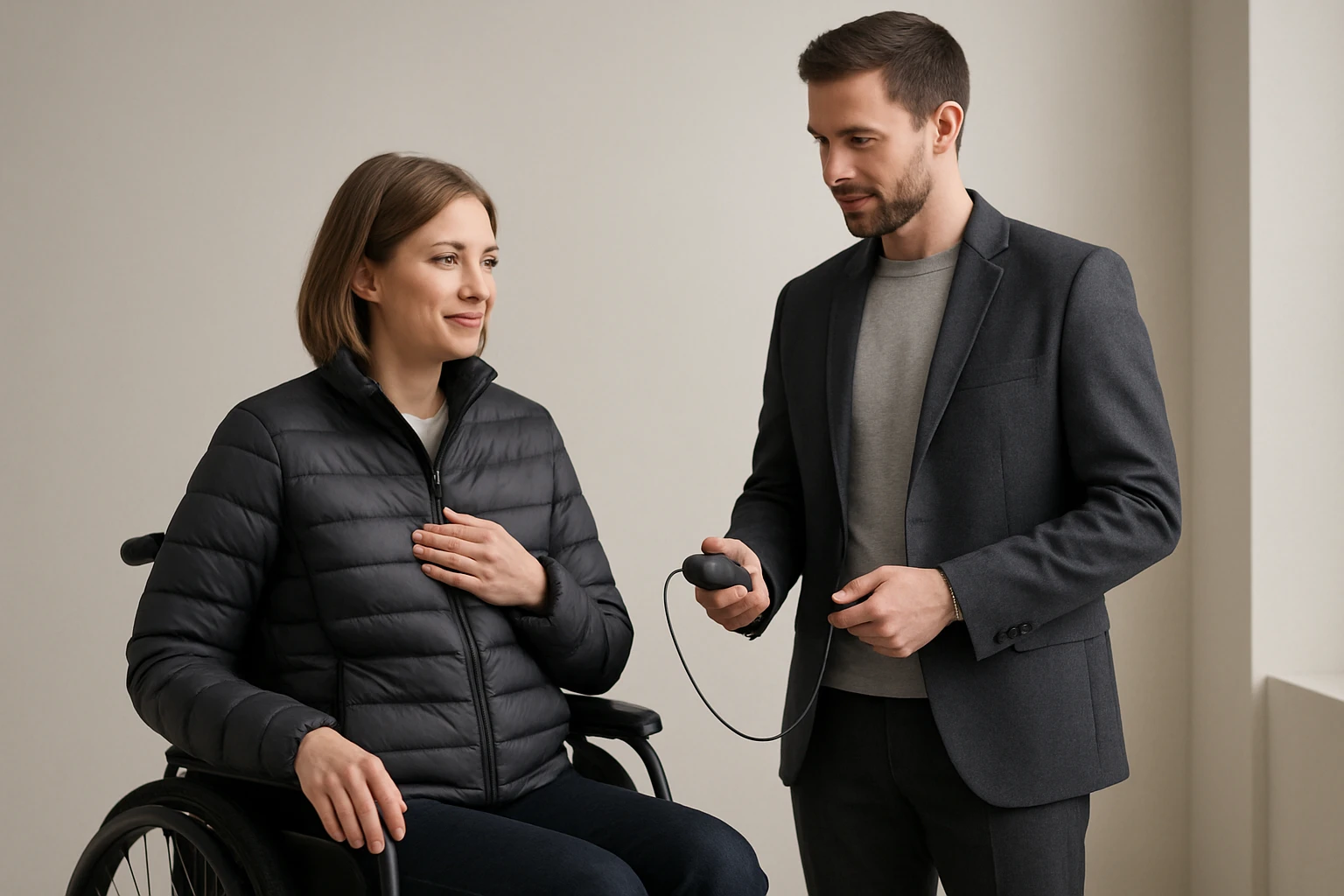
Once the garment is selected, the next step is to attach an accessible control interface. One may use a large‑button toggle switch that clips onto a belt or wheelchair armrest. Connect the switch to the garment’s power line using the provided wiring diagram from the manufacturer. If the heated set includes a USB power port, a smart plug with voice‑assistant compatibility (such as Amazon Alexa or Google Assistant) can replace the manual button. This approach allows the user to say, "Hey Alexa, turn on the heated pants," eliminating the need for fine motor skills.
When wiring the switch, follow these guidelines:
- Turn off all power sources and disconnect the batteries.
- Identify the positive (+) and negative (–) leads on the heating element.
- Solder the switch terminals to the leads, ensuring a secure connection.
- Insulate the joints with heat‑shrink tubing to prevent short circuits.
- Re‑install the batteries and test the switch operation.
For voice activation, plug the heating garment’s USB cable into a smart plug, configure the plug in the companion app, and assign a custom voice command. This method is especially useful for users with limited hand function, as it removes the physical interaction entirely.
Step 4: Test Temperature Settings and Safety Features
Before regular use, it is essential to verify that the temperature controls function as intended and that safety mechanisms are active. One should test each of the three settings on the Foern Heated Thermal Underwear Set for at least five minutes, confirming that the garment does not exceed 40 °C (104 °F). Use a textile‑compatible thermometer to measure surface temperature and ensure uniform heat distribution.
Safety checks include:
- Confirming that the battery pack has an automatic shut‑off after 8 hours of continuous use.
- Inspecting the garment for any exposed wiring after installation of the adaptive switch.
- Verifying that the USB port remains dry and protected from moisture.
If any irregularities are observed, discontinue use and troubleshoot the wiring or replace the faulty component. Maintaining a log of temperature readings assists occupational therapists in adjusting settings for optimal comfort.
Step 5: Provide Training, Documentation, and Ongoing Support
Effective adoption depends on clear instructions and regular follow‑up. One should create a concise user manual that includes diagrams of the switch location, voice‑command phrases, and battery charging procedures. Conduct a hands‑on training session with the wearer, allowing them to practice turning the heating on and off using both the physical switch and voice assistant. Encourage the user to report any discomfort, unexpected heat spikes, or battery performance issues.
Periodic maintenance, such as cleaning the garment according to the manufacturer’s guidelines and checking battery health, prolongs product lifespan. For the HEROBIKER Thermal Underwear Set, machine‑wash on a gentle cycle and air‑dry to preserve fabric softness. For the heated set, remove the battery pack before washing and store it in a cool, dry place when not in use.
Tips & Pro Tips
- Use tactile stickers on the switch to help users locate the control without visual cues.
- Consider a rechargeable battery pack with LED charge indicator for easy monitoring.
- When using voice activation, place the smart plug within 5 meters of the Wi‑Fi router to reduce latency.
- Layer the heated garment with a breathable outer shell to prevent overheating during high‑intensity activities.
- For wheelchair users, attach the switch to the armrest using Velcro straps for quick access.
Troubleshooting
Problem: The heating does not turn on after activating the switch.
Solution: Verify that the battery pack is fully charged, re‑check the soldered connections for continuity, and ensure the switch is not stuck in the off position.
Problem: Excessive heat or burning smell.
Solution: Immediately disconnect power, inspect the heating element for fabric damage, and replace the battery if it shows signs of swelling.
Conclusion
One has now learned a systematic approach to making heated clothing accessible for people with disabilities. By assessing user needs, selecting an appropriate garment, integrating adaptive controls, testing safety features, and providing thorough training, the warmth of heated apparel becomes an inclusive experience. The recommended products—HEROBIKER Thermal Underwear Set and Foern Heated Thermal Underwear Set—offer reliable foundations for both passive and active heating solutions. Implementing these steps will enable users to enjoy winter activities confidently and safely.
Products Mentioned in This Guide
Frequently Asked Questions
What types of adaptive controls can be used to adjust temperature on heated clothing?
Adaptive switch modules, voice‑activated smart plugs, and Bluetooth apps let users change heat settings without using small buttons.
How do I choose a heated garment that is safe for users with limited mobility?
Look for garments with detachable battery packs, sealed wiring, and easy‑to‑open closures so caregivers can assist without risking exposure.
Can I retrofit a standard heated jacket with accessible controls?
Yes, by installing an external switch module or smart plug and ensuring the battery connector is reachable, you can add accessible controls to most insulated heated garments.
What safety precautions should be taken when modifying heated clothing?
Verify circuit continuity with a multimeter, avoid exposing wires, and test temperature limits before first use to prevent overheating.
Are there specific batteries recommended for accessible heated clothing?
High‑capacity rechargeable 16000 mAh lithium‑ion packs provide long‑lasting heat and are compatible with most adaptive modules.
