Introduction
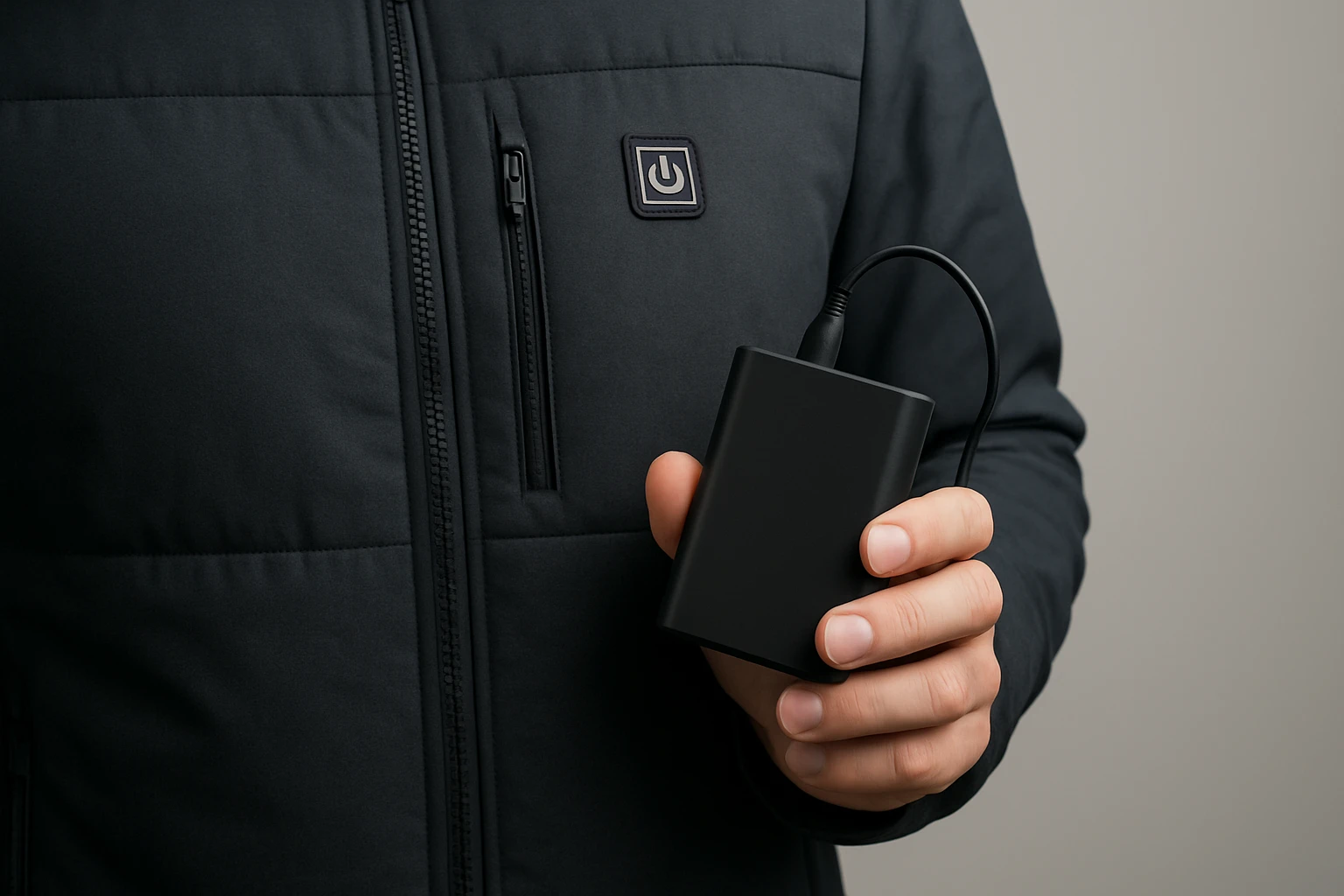
This guide explains how to maintain and extend the battery life of heated clothing such as vests, jackets, and pants. Readers will learn proper charging techniques, optimal storage conditions, and safety precautions that protect both the battery and the wearer. The information is based on real‑world user feedback and technical specifications from leading products. By following these steps one can enjoy reliable warmth throughout the cold season while reducing the need for frequent replacements.
What You’ll Need
- Heated garment (e.g., ORORO Women’s Heated Vest)
- Compatible battery pack (e.g., Glaais Heated Vest Battery Pack or CYCYHEAT 10000mAh Battery Pack)
- USB‑C or USB‑A charging adapter rated at 5 V/2 A or higher
- Protective storage bag (often supplied with the vest)
- Soft cloth for cleaning contacts
Step 1: Establish a Safe Charging Environment
Create a well‑ventilated area away from direct sunlight, flammable materials, and extreme temperatures. Place the battery on a non‑conductive surface such as a wooden table or silicone mat. Connect the charger to a stable wall outlet rather than a power strip that may introduce voltage spikes. This environment reduces the risk of overheating and prolongs the battery’s internal chemistry.
When using the ORORO Women’s Heated Vest, the included USB‑C cable should be plugged into the vest’s charging port. The vest itself draws less than 5 W on the low setting, which aligns with the 5 V/2 A adapter recommendation. The vest’s battery pack is rated for 10‑hour low‑heat operation, so a full charge typically requires 3‑4 hours.
Step 2: Select the Appropriate Battery Pack
Not all batteries are created equal. The Glaais Heated Vest Battery Pack offers 20 000 mAh capacity, dual 7.4 V DC and 5 V USB outputs, and a digital power‑level display. It is priced at $34.99 and holds a 4.5‑star rating from 121 reviewers. Users praise its long runtime—up to 16 hours on low heat—and its safety circuitry that prevents over‑charging.
For lighter applications the CYCYHEAT 10000mAh Battery Pack provides a compact, 0.41 lb solution. It supplies 5 V/2 A via USB‑C and includes a UL2056 safety certification. Priced at $39.98 with a 4.5‑star rating from 506 reviews, it is ideal for short outings where bulk must be minimized.
Choosing a battery that matches the voltage requirements of the heated garment is essential. The ORORO vest operates at 7.4 V, therefore the Glaais pack is directly compatible, while the CYCYHEAT pack can power accessories that accept 5 V USB input.
Step 3: Follow a Consistent Charging Routine
Charge the battery after each use rather than allowing it to fully deplete. Lithium‑polymer cells benefit from partial discharge cycles; a drop to 20‑30 % before recharging extends overall lifespan. Use the supplied USB‑C cable and a charger that delivers at least 2 A to achieve efficient charging without generating excess heat.
Monitor the battery’s digital display (available on the Glaais pack) to verify that the charge reaches 100 %. Avoid leaving the battery connected to power for more than two hours after full charge, as trickle charging can stress the cells over time.
Step 4: Store Batteries Correctly When Not in Use
If the heated garment will not be worn for an extended period, store the battery at a temperature between 10 °C and 25 °C (50 °F‑77 °F). Extreme cold can reduce capacity, while excessive heat accelerates degradation. Place the battery in its protective bag, ensuring the contacts are covered to prevent accidental short circuits.
For long‑term storage, retain the battery at approximately 50 % charge. This state minimizes chemical stress and preserves capacity for future use. Check the charge level every three months and top up as needed.
Step 5: Maintain Clean Electrical Contacts
Dust and moisture on the connector pins can increase resistance, leading to heat buildup during charging. Use a soft, lint‑free cloth slightly dampened with isopropyl alcohol to gently wipe the contacts on both the vest and the battery pack. Allow the contacts to dry completely before reconnecting.
Regular cleaning also prevents corrosion, which is a common cause of intermittent power loss reported by users of the Weamest Adjustable Heated Vest.
Step 6: Verify Firmware and Safety Features
Some modern battery packs include firmware that regulates temperature and power draw. The Glaais pack, for example, features smart auto‑on and auto‑sleep functions that conserve energy when the vest is not in use. Ensure that these features are enabled in the user manual to avoid unnecessary drain.
If the battery offers a USB‑C power‑bank mode, you may also use it to charge mobile devices, but be mindful not to exceed the recommended simultaneous draw of 2 A.
Tips & Pro Tips
- Use a dedicated charger. Multi‑port chargers that share power can deliver inconsistent current, reducing charge efficiency.
- Avoid extreme temperature swings. Moving a hot battery directly into a freezing car trunk can cause condensation inside the pack.
- Label your cords. Differentiating the vest’s charging cable from other USB cables prevents accidental misuse.
- Rotate spare batteries. If you own multiple packs, alternate their use to ensure each receives regular charge cycles.
- Inspect for wear. Periodically examine the battery housing for cracks or swelling, which indicate a need for replacement.
Troubleshooting
| Problem | Possible Cause | Solution |
|---|---|---|
| Battery does not charge | Connector debris or damaged cable | Clean contacts and replace cable if necessary |
| Vest remains cool despite battery connection | Battery output voltage mismatch | Verify that the battery provides 7.4 V for ORORO vest; use a compatible pack |
| Rapid discharge (less than 2 hours) | Battery aging or high‑heat setting | Reduce heat level to medium or low; consider replacing the pack after 300 charge cycles |
Conclusion
Proper charging, storage, and maintenance practices dramatically extend the service life of heated clothing batteries. By establishing a safe charging zone, selecting a compatible high‑capacity pack, adhering to a regular charge schedule, and keeping contacts clean, users can rely on consistent warmth throughout winter. Implementing the tips and troubleshooting steps outlined in this guide will also safeguard against common failures, ensuring that the investment in heated apparel delivers maximum value.
Products Mentioned in This Guide
Frequently Asked Questions
How often should I fully charge the battery pack for heated clothing?
Charge the battery after each use or at least once a week; avoid letting it drop below 20% to preserve capacity.
Can I store the heated garment’s battery in a freezer to extend its life?
No, freezing damages lithium‑ion cells; store the battery in a cool, dry place around 15‑25 °C.
What type of charger should I use for a heated vest battery?
Use a USB‑C or USB‑A adapter rated at 5 V/2 A or higher, and always use the manufacturer’s cable.
Is it safe to use the heated garment while the battery is charging?
Yes, most modern packs have built‑in protection, but follow the guide’s recommendation to charge in a well‑ventilated area away from direct heat.
How can I clean the battery contacts without damaging them?
Wipe the contacts gently with a soft, dry cloth; avoid liquids or abrasive materials.