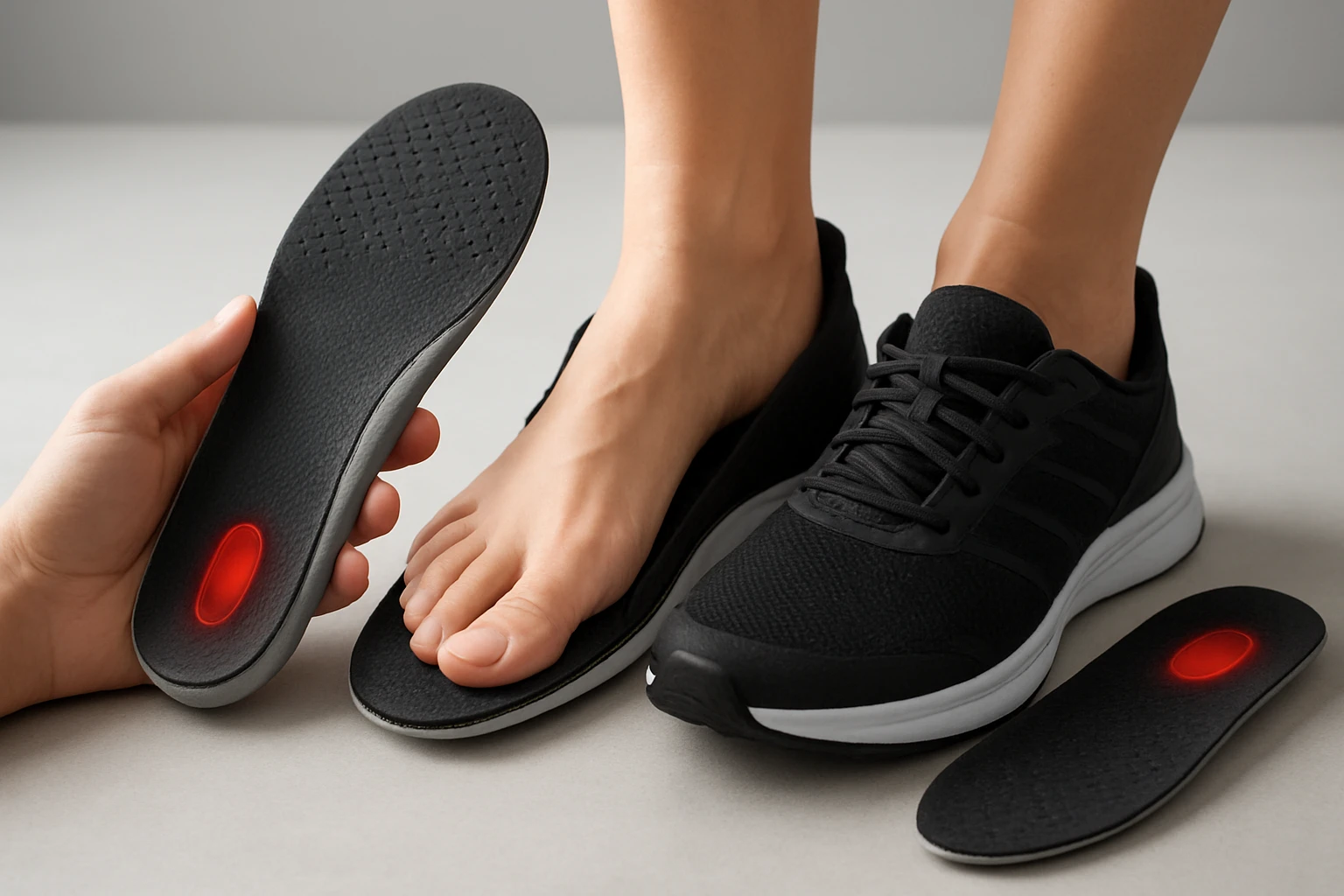

How to Control Foot Odor with Heated Insoles and Antimicrobial Liners: A Step‑by‑Step Guide to Fresh, Odor‑Free Feet
Introduction
Foot odor often results from a combination of moisture, bacterial growth, and inadequate ventilation. Understanding the underlying causes enables one to select the most effective tools for long‑term freshness. This guide explains how to integrate heated insoles and antimicrobial liners into a daily routine to reduce odor dramatically. By following the steps, the reader will achieve comfortable, odor‑free feet even during prolonged outdoor activities.
The instructions are designed for individuals who experience persistent odor despite regular washing. The approach combines scientific principles with practical product recommendations, ensuring that each action contributes to a healthier foot environment. Readers will learn how to assess the problem, select appropriate products, and maintain results over time. The guide remains valuable even without purchasing any suggested items, but the recommended tools provide measurable advantages.
What You Will Need
- HotHands Insole Foot Warmers – 16 pairs of air‑activated warmers ($28.94, 4.6/5 rating, 7,353 reviews)
- Antimicrobial foot liners (silicone or copper‑infused fabric)
- Moisture‑wicking socks made from merino wool or synthetic blends
- Mild antibacterial foot soap
- Soft towel and a well‑ventilated shoe storage area
Step‑by‑Step Instructions
Step 1: Identify the Primary Sources of Odor
Begin by examining the daily habits that contribute to excessive foot moisture. Common sources include tight footwear, synthetic socks, and insufficient drying after exercise. Record the times when odor is most noticeable to pinpoint patterns. Understanding these triggers allows one to target the problem with precise interventions.
During this assessment, note any skin conditions such as athlete's foot, which can exacerbate bacterial growth. If such conditions exist, consult a medical professional before proceeding. The information gathered in this stage informs the selection of antimicrobial liners and the frequency of heated insole use. A clear diagnosis ensures that subsequent steps address the root cause rather than merely masking symptoms.
Step 2: Clean and Dry the Feet Thoroughly
Wash the feet with a mild antibacterial foot soap, paying special attention to the spaces between the toes. Use lukewarm water to open pores, allowing the soap to remove sweat and debris effectively. Rinse completely to avoid residue that could irritate the skin.
After washing, pat the feet dry with a soft towel, ensuring that each toe is completely moisture‑free. Moisture left on the skin creates an ideal environment for odor‑producing bacteria. For optimal results, allow the feet to air‑dry for a few minutes before applying any liners or insoles. This practice reduces the likelihood of bacterial colonisation.
Step 3: Apply an Antimicrobial Liner
Select a liner that incorporates copper ions or silicone with antimicrobial properties. These materials inhibit bacterial growth by disrupting cell membranes, thereby reducing odor formation. Place the liner inside the shoe, ensuring it lies flat against the footbed.
Antimicrobial liners also provide a thin barrier that absorbs minor perspiration, keeping the foot surface drier. This dual function supports the effectiveness of heated insoles introduced in the next step. Replace the liner regularly according to the manufacturer’s recommendations to maintain its antimicrobial efficacy.
Step 4: Insert Heated Insoles for Warmth and Moisture Management
Activate the HotHands Insole Foot Warmers by removing each pack from its outer wrapper and shaking gently. The air‑activated chemical reaction begins within 15 to 30 minutes, providing up to nine hours of steady heat.
Place the warmed insoles directly onto the footbed, on top of the antimicrobial liner. The gentle heat increases blood circulation, which helps the feet stay dry by encouraging natural evaporation of sweat. Additionally, the heat creates an environment less favorable for odor‑producing bacteria, complementing the antimicrobial liner’s action.
The product is odorless, disposable, and TSA‑approved, making it suitable for travel, outdoor events, and daily commutes. Each pack costs $28.94 and has earned a 4.6‑star rating from 7,353 reviewers, indicating widespread satisfaction. Use a fresh pair of warmers each day or as needed for extended activities such as hiking or tailgating.
Step 5: Choose Appropriate Socks and Maintain Foot Hygiene
Wear moisture‑wicking socks made from merino wool or engineered synthetic fibers. These fabrics draw sweat away from the skin and dry quickly, preventing the buildup of dampness that fuels odor. Avoid cotton socks, which retain moisture and promote bacterial growth.
Rotate shoes regularly to allow them to air out between uses. Store footwear in a well‑ventilated area, and consider using a shoe dryer or desiccant packets for additional moisture control. Consistent hygiene practices reinforce the benefits of the heated insoles and antimicrobial liners.
Tips & Pro Tips
- Apply a thin layer of foot powder after washing to absorb residual moisture before inserting liners.
- For cold climates, combine heated insoles with thermal socks to maintain warmth without sacrificing breathability.
- Replace the HotHands Insole Foot Warmers after each use; they are single‑use items designed for disposal.
- Inspect the antimicrobial liner for wear; a compromised barrier reduces its effectiveness.
- Schedule a weekly foot soak in a solution of warm water and a small amount of white vinegar to further reduce bacterial load.
Troubleshooting
Problem: Persistent odor despite using warmers and liners.
Solution: Verify that the feet are completely dry before applying products, and consider switching to a copper‑infused liner if the current one lacks antimicrobial potency.
Problem: Warmers feel too hot or cause skin irritation.
Solution: Ensure the warmers are not placed directly against the skin; always use them on top of a liner or sock to create a protective barrier.
Conclusion
By following the structured approach outlined above, one can effectively control foot odor through the combined use of heated insoles and antimicrobial liners. The process addresses moisture, bacterial growth, and inadequate ventilation, which are the primary contributors to unpleasant foot odor. Consistent application of these steps will result in fresh, comfortable feet during both everyday activities and extended outdoor adventures.
Readers are encouraged to implement the routine, monitor results, and adjust product choices as needed. The recommended tools, especially the HotHands Insole Foot Warmers, provide reliable heat and odor‑reducing benefits that enhance overall foot health.
Products Mentioned in This Guide
Frequently Asked Questions
How do heated insoles help reduce foot odor?
Heated insoles increase foot temperature slightly, promoting sweat evaporation and creating an environment less favorable for odor‑causing bacteria.
What are antimicrobial liners and how do they work?
Antimicrobial liners are fabric inserts treated with agents that inhibit bacterial growth, directly targeting the microbes that produce foot odor.
Can I use heated insoles and antimicrobial liners together?
Yes, pairing them provides both moisture control and bacterial suppression for a more comprehensive odor‑control solution.
Do I need to wash heated insoles regularly?
Most heated insoles are water‑resistant and should be wiped clean after use; follow the manufacturer’s instructions for safe cleaning.
Are there any foot care steps needed besides using these products?
Regular foot washing, thorough drying, and wearing breathable socks enhance the effectiveness of heated insoles and antimicrobial liners.