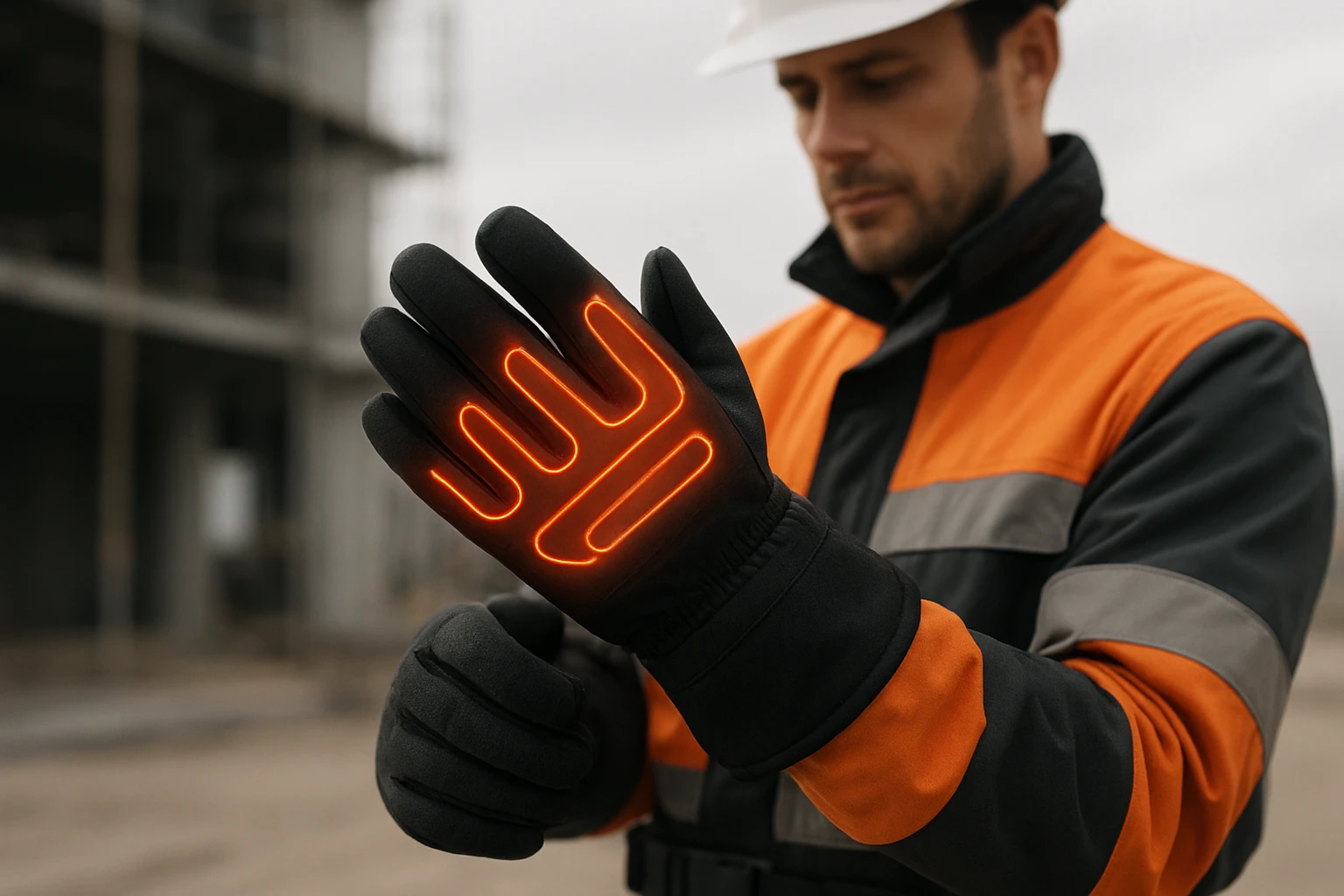
How to Choose the Best Heated Gloves for Construction Work: A Buyer's Guide to Safety, Durability & Battery Life
Introduction
The winter construction environment demands tools that protect the hands from extreme cold while preserving dexterity and grip. This guide explains the critical factors that influence the performance of heated gloves, including safety certifications, material durability, battery capacity and ergonomic design. By following the step‑by‑step process, readers will be able to evaluate options objectively and select a pair of gloves that enhance productivity without compromising comfort.
Construction professionals often overlook hand heating solutions because they assume any insulated glove will suffice. In reality, a well‑engineered heated glove integrates thermal technology with impact‑resistant layers, waterproof membranes and reliable power management. The information presented here equips the reader with the knowledge to differentiate between basic warmers and purpose‑built work gloves.
Throughout the guide, specific products are recommended as tools that satisfy the outlined criteria. The recommendations are based on real‑world specifications, customer feedback and price points, ensuring that the advice remains practical and cost‑effective.
By the end of the article, the reader will understand how to match glove features to construction tasks, how to assess battery life for long shifts, and how to maintain the equipment for extended service life.
What You Will Need
- One pair of heated work gloves that meet the safety and durability standards described below.
- A fully charged rechargeable battery pack compatible with the selected gloves.
- A clean, dry workspace for testing fit and functionality before the first job site use.
- Optional: Spare battery or external power bank for extended operations.
The following products are available on Amazon and satisfy the majority of the requirements:
Step 1: Assess Safety Requirements
Construction sites are governed by occupational safety regulations that often require hand protection against impact, vibration and electrical hazards. The first step is to verify that the heated glove incorporates certified safety features such as over‑current protection, waterproof membranes and impact‑resistant padding.
The SAVIOR HEAT Work Gloves include a 7.4 V 2200 mAh battery with built‑in over‑charge safeguards and a 3D PVC back panel that absorbs vibration. This combination satisfies most construction safety standards while delivering up to nine hours of continuous heat.
When the job involves electrical components, select gloves that are rated for low‑voltage work and feature insulated fingertips. The Waestcia Heated Gloves provide dual 7.4 V 3000 mAh batteries with FCC certification, ensuring compliance with electrical safety guidelines.
Confirm that the gloves have a clear temperature control system and an automatic shut‑off after a safe interval, typically 60 minutes, to prevent overheating.
Step 2: Evaluate Material Durability and Weather Resistance
Construction work exposes gloves to abrasive surfaces, sharp tools and wet conditions. Look for multi‑layer constructions that combine a waterproof outer shell with an inner thermal lining.
The Waestcia Heated Gloves feature a six‑layer fabric system that includes cotton, velvet and polyester, offering windproof and waterproof protection. The palm incorporates highly elastic fibers for anti‑slip grip, which is essential when handling tools.
For users who need a balance between flexibility and protection, the YongGfte Heated Gloves provide a pull‑closure design and non‑slip palm pads, allowing precise finger movements while maintaining warmth.
Consider gloves with reflective strips for increased visibility during low‑light conditions. The RARE SPACE Heated Gloves include reflective detailing on the back, enhancing safety for night‑time site work.
Step 3: Determine Battery Life and Charging Convenience
Battery endurance directly influences how often a worker must pause for recharging. Calculate the expected shift length and compare it with the advertised continuous heating time.
The Waestcia Heated Gloves claim up to eight hours of heat on a full charge, thanks to dual 3000 mAh cells. They also feature a battery indicator that displays remaining power at 100 %, 75 %, 50 % and 25 % levels, reducing the risk of unexpected depletion.
If the workday exceeds eight hours, the SAVIOR HEAT Work Gloves provide up to nine hours of warmth and can be paired with an external power bank to extend operation.
Fast heating is another critical factor. The RARE SPACE Heated Gloves heat up in 30 seconds due to a 7.4 V high‑capacity battery, allowing the worker to begin a shift without delay.
Ensure that the charging cable is included and that the charging time does not exceed four to five hours, which aligns with typical overnight charging cycles.
Step 4: Test Ergonomic Fit and Dexterity
Proper fit prevents cold spots and reduces fatigue. Measure hand circumference and compare it with the manufacturer’s sizing chart. Gloves that are too loose will allow cold air infiltration; those that are too tight will restrict circulation.
The YongGfte Heated Gloves feature adjustable Velcro wrist closures and a 2‑in‑1 full‑finger/half‑finger design, enabling workers to customize coverage based on the task at hand.
For tasks that require frequent tool manipulation, select gloves with articulated fingers and a thin insulating layer. The RARE SPACE Heated Gloves incorporate silicone anti‑slip palm material and a drawstring cuff, providing a secure yet flexible fit.
After trying the gloves, perform a quick test: attempt to operate a smartphone or a small handheld device. Touchscreen‑compatible fingertips confirm that the gloves do not impede digital workflow, a valuable feature for modern construction sites where digital plans are accessed on‑site.
Step 5: Review Price, Ratings and Warranty
Budget considerations are inevitable, yet the cost of a glove should be weighed against its durability and safety features. The SAVIOR HEAT Work Gloves are priced at $119.99 and hold a 4.2‑star rating from 65 reviews, reflecting strong performance for heavy‑duty use.
The YongGfte Heated Gloves cost $45.99 with a 4.2‑star rating based on 560 reviews, offering a cost‑effective solution for lighter tasks while still providing reliable heat.
The Waestcia Heated Gloves are priced at $69.99 and have a 4.4‑star rating from 170 reviews, positioning them as a mid‑range option with extended battery life.
The RARE SPACE Heated Gloves are $41.99 with a 4.3‑star rating from 71 reviews, representing the most affordable entry point for users who prioritize rapid heating.
Check each listing for warranty information; most manufacturers offer a one‑year limited warranty that covers battery defects and material failures.
Tips & Pro Tips
- Store gloves in a cool, dry place when not in use to preserve battery health.
- Charge the battery fully before the first use and perform a brief heat test to confirm functionality.
- For multi‑day projects, carry a spare battery or a portable power bank compatible with the glove’s charging port.
- Regularly inspect the conductive threads on the fingertips; wear or breakage can reduce touchscreen responsiveness.
- Combine heated gloves with insulated hand warmers for extreme sub‑zero environments; this layered approach maximizes comfort.
Troubleshooting
| Problem | Possible Cause | Solution |
|---|---|---|
| Gloves do not heat | Battery not fully charged or connection loose | Charge the battery for at least four hours and ensure the charging cable is firmly seated. |
| Uneven heat distribution | Damaged heating element or obstructed vents | Inspect the interior for fabric bunching; if the problem persists, contact the seller for warranty service. |
| Touchscreen unresponsive | Conductive thread wear | Replace the glove’s fingertip pads if available, or use a thin conductive glove liner underneath. |
| Battery drains quickly | High temperature setting used continuously | Switch to the medium or low setting and enable the automatic shut‑off timer. |
Conclusion
Choosing the best heated gloves for construction work involves a systematic evaluation of safety certifications, material durability, battery performance, ergonomic fit and cost. By following the steps outlined above, a construction professional can select a glove that maintains hand warmth, protects against impact and allows seamless operation of touchscreen devices.
The recommended products—SAVIOR HEAT Work Gloves, YongGfte Heated Gloves, Waestcia Heated Gloves and RARE SPACE Heated Gloves—represent a range of options that satisfy diverse budgetary and functional requirements.
Investing in a high‑quality heated glove not only improves comfort but also reduces the risk of cold‑related injuries, thereby enhancing overall site productivity.
Products Mentioned in This Guide
Frequently Asked Questions
What safety certifications should I look for when buying heated gloves for construction?
Choose gloves that meet ANSI/ISEA 138 (electrical safety) and IPX rating for water resistance, as well as any OSHA‑approved impact standards.
How does battery capacity affect the runtime of heated gloves on a job site?
Higher mAh batteries provide longer heat duration—typically 6‑10 hours on low settings and 3‑5 hours on high—so match capacity to your shift length.
Are heated gloves compatible with other personal protective equipment (PPE) like wrist braces or tool belts?
Look for ergonomic designs with adjustable straps and flexible seams that allow you to wear wrist supports and attach tool belt loops without restricting movement.
What materials offer the best durability and waterproofing for heated construction gloves?
Gloves constructed with leather or reinforced nylon outer shells, combined with a waterproof breathable membrane (e.g., Gore‑Tex), provide impact resistance and moisture protection.
Can I control the heat settings of the gloves while working?
Most models include a simple three‑level button or a remote control that lets you adjust temperature without removing the gloves.