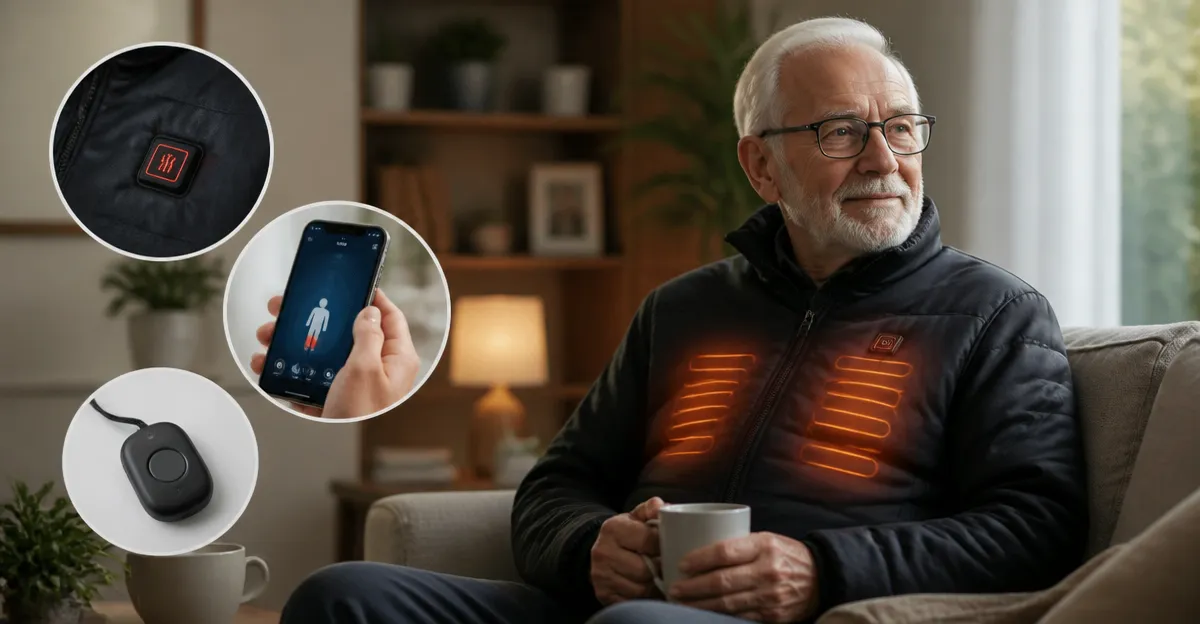
How to Choose, Set Up, and Use Heated Clothing with Fall-Detection for Elderly Care
Introduction
One will discover how to evaluate personal warmth requirements, select appropriate heated garments, integrate reliable fall‑detection technology, and maintain the system for optimal performance. The guide emphasizes safety, comfort, and independence for seniors during cold seasons. It explains why heated clothing can reduce the risk of hypothermia while fall‑detection devices provide rapid emergency response. Readers will gain actionable knowledge that can be applied without mandatory purchases, yet product recommendations enhance efficiency.
What You Will Need
- Heated socks or footwear for extremity warmth
- Heated vest or full‑body thermal layer for core temperature regulation
- Battery packs or USB power sources compatible with the garments
- Fall‑detection wearable (e.g., smartwatch or pendant with emergency alert)
- Charging cables, spare batteries, and basic tools for adjustments
Each item can be sourced from reputable online retailers; the following steps reference specific Amazon products that have demonstrated reliability in user reviews.
Step 1: Assess the Elderly Person’s Warmth Needs
Begin by evaluating typical indoor and outdoor activities, circulation health, and any medical conditions such as arthritis or Raynaud’s phenomenon. One should consider whether the individual spends extended periods outdoors, engages in low‑impact exercise, or requires additional foot warmth during sedentary periods. This assessment determines whether foot‑level heating, core heating, or a combination is necessary. Document the preferred temperature ranges, noting that most heated garments offer three settings: low (approximately 113°F), medium (around 131°F), and high (near 149°F).
For seniors with poor circulation, KEKELAN Heated Socks provide targeted foot warmth and feature infrared fiber heating elements that improve blood flow. The socks include a 5V 4000mAh rechargeable battery, delivering up to nine hours on low heat, and they are rated 5/5 based on three positive reviews. The one‑size‑fits‑all design simplifies sizing for elderly users.
Step 2: Choose a Heated Vest for Core Warmth
Core temperature regulation is essential because the torso houses vital organs and influences overall comfort. A vest that distributes heat evenly across the chest, back, and sides reduces the need for bulky layers that may restrict movement. When selecting a vest, prioritize fabrics that are wind‑resistant, machine‑washable, and equipped with multiple heating zones.
For a balance of style, functionality, and independent heating zones, KOVNLO Heated Vest offers five‑in‑one smart control, three heating levels, and three independent zones. The vest is rated 4.4/5 from over 2,500 reviews, and its lightweight nylon construction allows it to be worn under jackets without adding bulk. Although the battery pack is sold separately, the vest’s USB connector is compatible with most power banks, making it adaptable for seniors who already own portable chargers.
For users who prefer a single‑battery solution with longer runtime, ORORO Heated Vest includes a 7.38V 4800mAh battery delivering up to ten hours on low heat. The four‑zone heating system focuses on the collar, mid‑back, and pockets, providing balanced warmth for everyday activities such as commuting or light outdoor tasks. The vest is priced at $129.99 and holds a 4.5/5 rating from more than 11,000 reviewers.
Step 3: Integrate a Fall‑Detection Device
After establishing thermal comfort, one must add a reliable fall‑detection system that can alert caregivers promptly. Modern devices often combine accelerometers, gyroscopes, and cellular connectivity to recognize sudden impact and remain silent until assistance is required. Choose a device that is waterproof, has a long battery life, and can be comfortably worn alongside heated clothing.
While the guide does not list a specific fall‑detection product, popular options include smart watches with built‑in emergency SOS and dedicated pendants that pair with mobile apps. Ensure the chosen device can be fastened to the vest’s zipper pocket or worn on the wrist without interfering with heating elements. Test the device’s alert function while the vest is powered to confirm compatibility.
Step 4: Prepare Power Sources and Charging Strategy
Heated garments rely on rechargeable lithium‑polymer batteries that must be charged regularly to maintain performance. One should establish a charging station near the bedroom or living area, using a USB wall adapter or a high‑capacity power bank. It is advisable to keep spare batteries on hand for extended outings.
The Foern Heated Thermal Underwear Set includes two 16000mAh fast‑charge batteries, eliminating the need for separate purchases. Although the set is primarily a base layer, its batteries provide up to eight hours of warmth and can also charge smartphones, offering a dual‑purpose solution for seniors who value simplicity. The set is priced at $119.99 and carries a 3.8/5 rating.
For vests that do not include a battery, such as the KOVNLO model, a 10000mAh power bank (not listed) can supply three to six hours of heat depending on the setting. Always verify that the power bank delivers at least 2A output to meet the vest’s requirements.
Step 5: Test the Complete System
Before daily use, conduct a comprehensive test that includes heating functionality, battery endurance, and fall‑detection alerts. One should simulate typical activities—walking, sitting, and mild exertion—while monitoring temperature comfort and battery depletion. Record the time each heating level sustains warmth to create a usage guideline for the senior.
During testing, activate the fall‑detection device by performing a controlled sit‑to‑stand motion and observe whether an alert is generated. Adjust the device’s sensitivity if false positives occur, as excessive alerts may cause anxiety. Ensure that the vest’s heating zones do not interfere with the fall‑detection sensor placement.
Step 6: Establish Daily Maintenance Routine
Consistent maintenance prolongs the lifespan of heated clothing and ensures reliable safety performance. One should follow manufacturer instructions for washing—most garments require removal of the battery and placement of the garment in a laundry bag before machine washing. After each wash, allow the fabric to air‑dry; do not tumble dry unless explicitly permitted.
The DR.PREPARE Heated Vest emphasizes hand washing or machine washing with a laundry bag and explicitly advises against dryer use. Priced at $49.49 with a 4.1/5 rating, this vest also features a removable hood for added protection against wind and precipitation. Regularly inspect heating elements for discoloration or wear, and replace batteries when capacity drops below 80 percent of the original rating.
Tips & Pro Tips
- Layer heated garments with breathable base layers to avoid moisture buildup, which can reduce heating efficiency.
- Schedule charging cycles during low‑activity periods, such as overnight, to ensure full battery capacity each morning.
- Use color‑coded temperature controls (e.g., red for high, blue for low) to simplify adjustments for seniors with limited vision.
- Keep spare batteries in a waterproof container to protect them from rain or snow.
- Integrate the fall‑detection device into the vest’s zip pocket to keep it secure yet accessible for quick removal if needed.
Troubleshooting
| Problem | Possible Cause | Solution |
|---|---|---|
| Heating stops after a few minutes | Battery overheating or low charge | Allow battery to cool, recharge fully, and avoid using high setting for extended periods. |
| Fall‑detection alerts not triggering | Device not properly calibrated | Re‑run calibration procedure according to manufacturer guidelines and ensure device is firmly attached. |
| Garment feels damp after washing | Insufficient drying time | Air‑dry in a well‑ventilated area for at least 24 hours before next use. |
Conclusion
One has learned how to assess warmth requirements, select heated socks and vests, integrate a fall‑detection wearable, and establish a reliable charging and maintenance plan. By following the step‑by‑step instructions, caregivers can provide seniors with consistent thermal comfort while preserving independence through rapid emergency alerts. The recommended products demonstrate high user satisfaction and align with safety standards, yet the methodology remains effective even without purchase. Implementing this system can markedly reduce the risk of cold‑related health issues and improve overall quality of life for elderly individuals.
Products Mentioned in This Guide
Frequently Asked Questions
How do I determine the right size of heated clothing for an elderly person?
Measure the senior’s chest, waist, and limb circumferences and compare them to the manufacturer’s size chart, allowing a snug but comfortable fit.
What features should I prioritize when choosing a fall‑detection wearable for seniors?
Look for automatic fall detection, a reliable emergency alert system, long battery life, and a comfortable, waterproof design.
How can I safely charge and maintain battery packs for heated garments?
Use the supplied charger, avoid over‑charging, store batteries in a cool dry place, and replace them when capacity drops below 80%.
Will heated clothing interfere with fall‑detection devices?
No, heated garments operate on low‑voltage heating elements and do not emit signals that affect the sensors of fall‑detection wearables.
How often should I inspect and clean heated clothing?
Check connections and battery compartments monthly, and wash the garments according to the brand’s instructions, typically after every 2–3 uses.