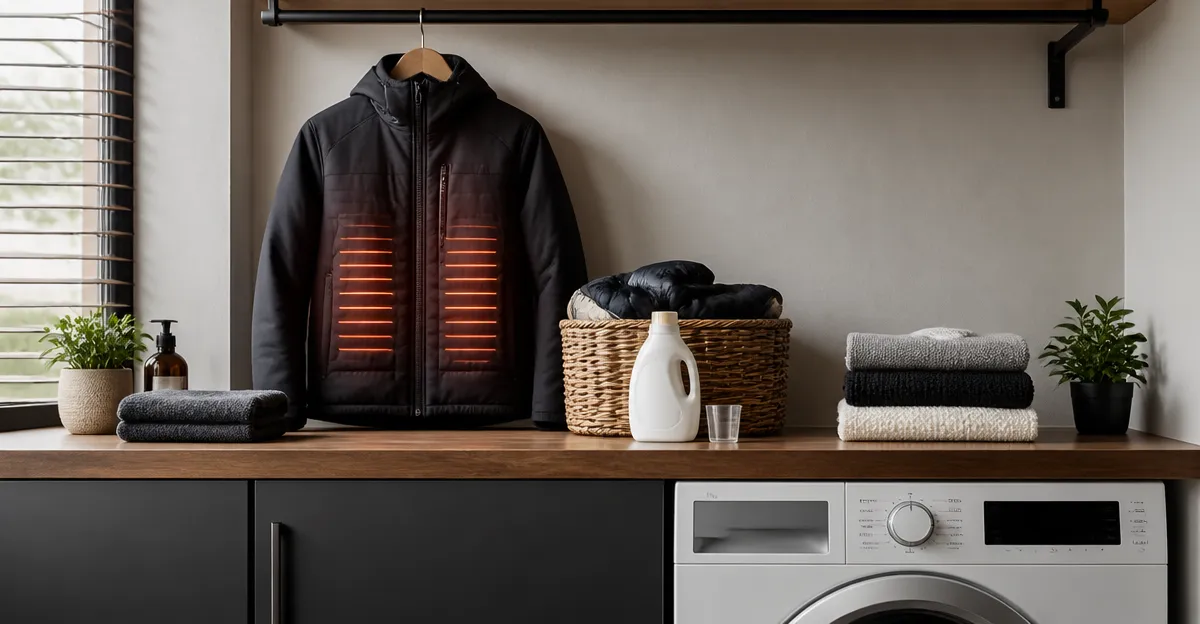
How Often Should You Wash Heated Clothing? A Practical Guide to Washing Frequency & Extending Lifespan
Introduction
Heated clothing has transformed outdoor recreation, commuting, and work environments by providing reliable warmth on demand. However, the integration of electronic heating elements, batteries, and specialized fabrics creates unique care requirements that differ from conventional apparel. This guide explains when and how to wash heated garments, outlines strategies to preserve functionality, and recommends proven cleaning products that enhance durability. Readers will leave with a clear washing schedule, step‑by‑step cleaning instructions, and actionable tips to maximize the lifespan of their heated gear.
Background and Context
Modern heated clothing typically combines three core components: a conductive heating layer, a power source (usually a rechargeable lithium‑ion battery), and an outer shell made from technical fabrics such as Gore‑Tex, softshell, or down‑filled insulation. The heating layer consists of thin carbon or metal fibers that generate heat when electricity flows through them. These fibers are often laminated or sewn into the garment, making them vulnerable to moisture, abrasive detergents, and high temperatures.
Manufacturers advise limited washing cycles because repeated exposure to harsh chemicals can degrade the conductive pathways, reduce battery sealing integrity, and diminish the durable water repellent (DWR) coating that protects the outer shell. Understanding these interactions is essential for establishing a washing frequency that balances hygiene with longevity.
Understanding Heated Clothing Materials
Heated jackets, gloves, and vests are built around three material families:
- Technical Shells: Waterproof, breathable membranes (e.g., Gore‑Tex) that rely on DWR treatments to shed water.
- Insulation Layers: Synthetic fills or down that trap heat while remaining lightweight.
- Heating Elements: Conductive fibers or printed circuits embedded in the lining.
Each family reacts differently to cleaning agents. For example, standard laundry detergents can leave residues that attract water, compromising DWR performance on the shell. Conversely, aggressive alkaline cleaners may strip the coating from down fills, reducing loft and insulation efficiency. Selecting the right product for each material is therefore critical.
When to Wash Heated Clothing
Unlike regular outerwear, heated garments do not require a wash after every use. Instead, consider the following triggers:
- Visible Soil or Stains: Mud, sweat, or food spills that could infiltrate seams and contact heating elements.
- Odor Development: Persistent smells indicate bacterial buildup, especially in areas surrounding battery pockets.
- Seasonal Storage: Before storing for months, a gentle wash removes contaminants that could cause mildew.
- Manufacturer Recommendation: Follow any specific interval stated in the user manual, typically every 10–15 wears.
For most users, washing heated clothing 2–3 times per season provides adequate cleanliness without jeopardizing performance.
How to Properly Wash Heated Clothing
Follow this systematic approach to protect both electronic and fabric components:
- Remove Batteries: Detach all power packs and store them in a cool, dry place. Batteries should never be submerged.
- Close All Zippers and Fastenings: This prevents snagging of heating fibers and protects delicate seams.
- Choose a Gentle Cycle: Use cold or warm water (max 30°C/86°F) on a delicate or hand‑wash setting.
- Use a Specialized Cleaner: Products formulated for technical fabrics preserve DWR and do not leave residue.
- Avoid Fabric Softeners and Bleach: These chemicals can break down conductive pathways and damage membrane coatings.
- Air Dry: Lay flat or hang in a well‑ventilated area; avoid tumble drying unless the label explicitly permits low heat.
By adhering to these steps, users maintain heat output, battery safety, and overall garment integrity.
Product Recommendations for Cleaning Heated Clothing
Specialized cleaners address the unique challenges of heated apparel. The following products have been selected based on their compatibility with technical shells, down insulation, and delicate electronics.
Technical Shell Cleaner
The Nikwax Tech Wash restores waterproofing on Gore‑Tex, softshell, and other membrane fabrics without compromising conductive fibers. Priced at $11.50 and boasting a 4.6/5 rating from over 5,500 reviewers, it removes water‑attracting residues while preserving breathability.
- Safe for all synthetic outerwear.
- PFAS‑free, water‑based formula.
- Enhances performance of subsequent DWR treatments.
Combined Clean & DWR Treatment
For garments that need both cleaning and a refreshed DWR layer, the Nikwax Softshell Cleaning & Waterproofing DUO‑Pack offers a two‑in‑one solution. At $19.85 with a 4.5/5 rating from 2,059 reviewers, it cleans the shell and re‑applies a durable water‑repellent finish, ideal for heated jackets that see frequent exposure to snow and rain.
- Includes separate bottles for cleaning and proofing.
- Maintains loft of insulated layers.
- Works on jackets, pants, vests, and ski gear.
Down Insulation Cleaner
When heated garments incorporate down (e.g., insulated vests with heating zones), the Nikwax Down Wash safely cleans without stripping natural oils that provide loft. Priced at $13.95, it holds a 4.7/5 rating from 5,412 users and is PFAS‑free, ensuring the down remains fluffy and water‑resistant.
- Preserves down’s insulating properties.
- Machine‑wash safe; use a full cap (≈50 ml) per load.
- Compatible with water‑resistant down blends.
Gentle Home Dry‑Cleaning Alternative
For delicate heated garments that cannot be machine‑washed, the dryel At‑Home Dry Cleaner Starter Kit provides a steam‑based cleaning method. At $20.32 with a 4.5/5 rating from 16,579 reviewers, it cleans up to 30 garments per kit, prevents shrinking, and eliminates harsh chemicals that could affect heating elements.
- Uses steam and a reusable dryer bag.
- Includes a stain‑removing spray.
- Ideal for blouses, sweaters, and light‑weight heated jackets.
Comparison and Selection Guide
Choosing the appropriate cleaner depends on garment construction and user preference. The table below summarizes key attributes:
| Product | Best For | Cleaning Method | Additional Benefits | Price |
|---|---|---|---|---|
| Nikwax Tech Wash | Technical shells (Gore‑Tex, softshell) | Machine wash (cold) | Restores DWR, PFAS‑free | $11.50 |
| Nikwax Softshell DUO‑Pack | Shells needing cleaning + DWR | Machine wash (cold) + spray | Two‑step system, easy application | $19.85 |
| Nikwax Down Wash | Down‑filled heated jackets | Machine wash (cold) with cap | Maintains loft, PFAS‑free | $13.95 |
| dryel Starter Kit | Delicate or non‑machine‑washable heated pieces | Dry‑cleaner dryer bag (steam) | Stain spray, saves up to 90% on professional cleaning | $20.32 |
Users with a mixed wardrobe should consider a combination of Tech Wash for shells and Down Wash for insulated layers, supplementing with dryel for items that cannot be laundered.
Best Practices & Tips
- Pre‑Test a Small Area: Before applying any cleaner, test on an inconspicuous spot to ensure no discoloration.
- Seal Battery Compartments: Verify that battery pockets are fully closed after washing to prevent moisture ingress.
- Re‑Apply DWR Periodically: Even with careful washing, DWR performance diminishes over time; re‑treat after every 5–7 washes.
- Store in a Cool, Dry Environment: Avoid plastic bags that trap humidity, which can corrode heating wires.
- Document Wash Cycles: Keep a simple log (e.g., a note on the garment tag) to track how many washes have occurred.
- Use Mesh Laundry Bags: Placing heated garments inside a mesh bag reduces friction and protects heating elements during the spin cycle.
Frequently Asked Questions
1. Can I machine‑wash a heated jacket with the battery inside?
No. Batteries must always be removed before any water‑based cleaning to avoid short‑circuiting and potential damage.
2. How often should I re‑apply DWR to my heated coat?
Typically after every 5–7 washes, or sooner if you notice water beading has diminished.
3. Is it safe to tumble dry a heated garment?
Only if the manufacturer explicitly permits low‑heat tumble drying. Otherwise, air‑drying is the safest method.
h3>4. Will using regular laundry detergent harm the heating elements?Standard detergents can leave residues that attract moisture, potentially reducing the efficiency of conductive fibers. Specialized cleaners like Tech Wash are recommended.
5. Can I use fabric softener on heated clothing?
Fabric softeners are discouraged because they coat fibers, which can impede heat distribution and affect DWR performance.
6. What should I do if the heating element stops working after a wash?
First, ensure the battery is fully charged and correctly seated. If the problem persists, contact the manufacturer’s warranty service; repeated improper washing is a common cause of failure.
7. Is dry cleaning ever recommended for heated garments?
Professional dry cleaning can expose garments to harsh chemicals that damage heating wires. Home dry‑cleaning kits like dryel are a safer alternative for delicate pieces.
Conclusion
Heated clothing offers unparalleled comfort, but its longevity hinges on mindful cleaning practices. By washing only when necessary, using the right specialized products, and following best‑practice steps, users can preserve heat output, maintain waterproofing, and protect battery compartments. The recommended schedule of 2–3 washes per season, combined with periodic DWR re‑application, ensures that heated garments remain functional and comfortable for many seasons.
Products Featured in This Guide
Nikwax Softshell Cleaning & Waterproofing DUO-Pack
Price: $19.85 | Rating: 4.5/5 (2,059 reviews)
Featured because it cleans technical shells and restores DWR in a single convenient package, making it ideal for heated jackets that face rain and snow.
dryel At-Home Dry Cleaner Starter Kit
Price: $20.32 | Rating: 4.5/5 (16,579 reviews)
Featured for its steam‑based cleaning that safely refreshes delicate heated garments without submerging electronic components.
Nikwax Down Wash
Price: $13.95 | Rating: 4.7/5 (5,412 reviews)
Featured because it safely cleans down‑filled heated jackets, preserving loft and insulating performance.
Nikwax Tech Wash
Price: $11.50 | Rating: 4.6/5 (5,567 reviews)
Featured for its ability to restore waterproofing on technical shells while protecting embedded heating elements.