How Altitude Affects Heated Insoles: The Essential Guide to Performance, Battery Life & Warmth at High Elevations
Introduction
Altitude presents a unique set of challenges for anyone who relies on heated footwear to maintain comfort in cold environments. This guide explains how reduced atmospheric pressure, temperature gradients, and oxygen availability influence the performance of heated insoles. Readers will learn the scientific basis of heat generation, discover strategies to preserve battery life, and receive product recommendations that excel at high elevations.
By the end of this article, one will understand the interaction between altitude and heat output, be able to compare leading products, and possess actionable best‑practice tips for staying warm on mountain trails or ski lifts.
Background and Context
Heat generation in most heated insoles relies on exothermic chemical reactions or electrical resistance elements powered by batteries. At sea level, ambient air contains approximately 21% oxygen, which sustains combustion‑based warmers and influences the rate at which heat dissipates from the foot. As elevation increases, atmospheric pressure drops, reducing oxygen density and altering the thermal conductivity of air.
Two primary mechanisms are affected:
- Air‑activated chemical warmers – These rely on oxidation of iron powder. Lower oxygen levels slow the reaction, potentially reducing maximum temperature and duration.
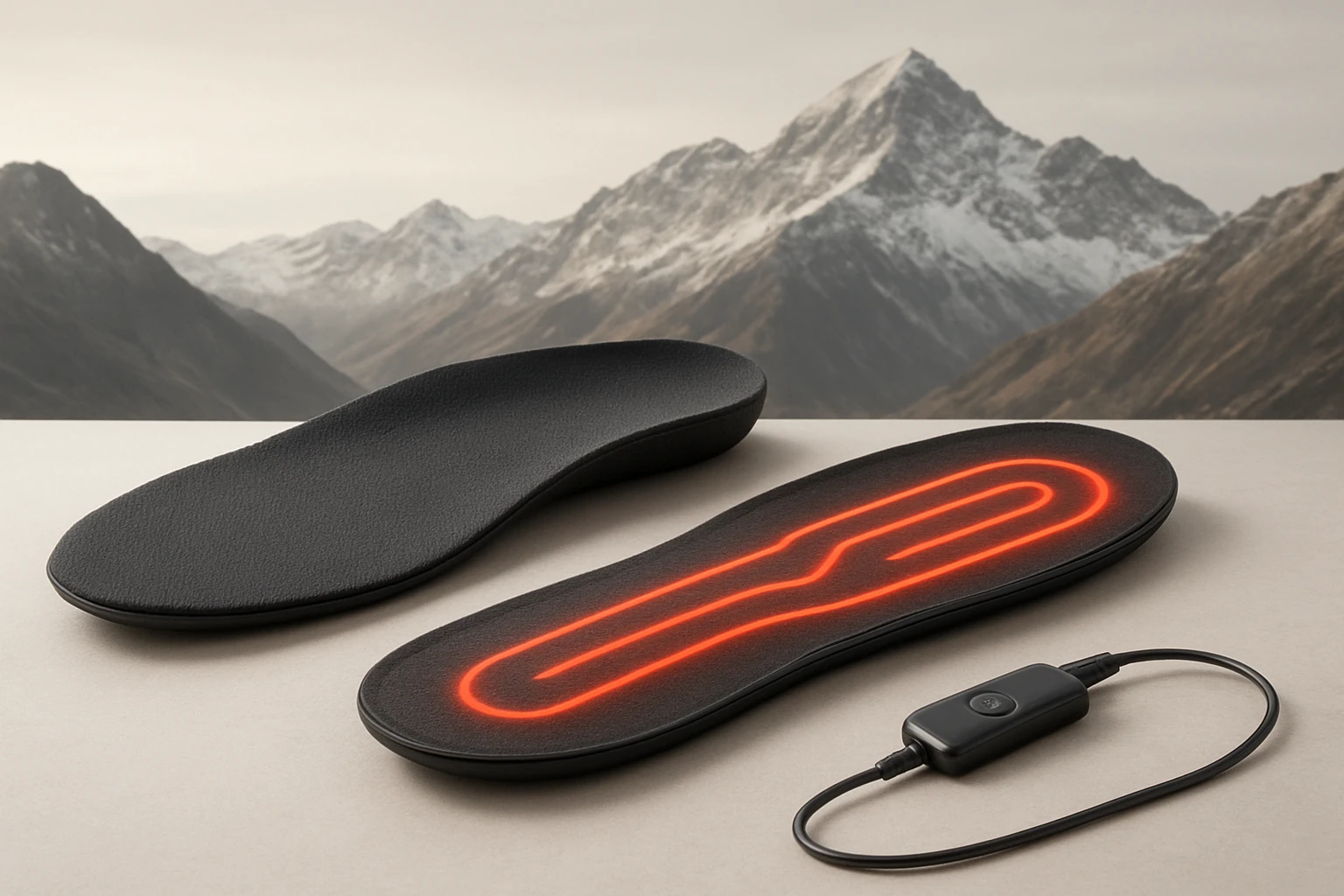
- Battery‑powered electric warmers – Battery chemistry is temperature‑sensitive; colder temperatures at altitude reduce capacity, while lower pressure can affect heat dissipation.
Understanding these principles enables the selection of insoles that maintain reliable warmth even when the air is thin.
Key Concepts for High‑Altitude Use
When evaluating heated insoles for altitude, consider the following concepts:
- Heat Output vs. Oxygen Availability – Chemical warmers may produce less heat above 8,000 feet because the oxidation reaction proceeds more slowly.
- Battery Efficiency in Cold – Lithium‑ion cells lose up to 30% of capacity at -10°C, a common temperature at high camps.
- Insulation and Fit – Ultra‑thin designs reduce bulk but may allow more convective heat loss in windy alpine conditions.
- Durability and Reusability – Disposable warmers are convenient for short trips, while reusable electric inserts are cost‑effective for longer expeditions.
Each of these factors influences the overall comfort of the user and informs product selection.
Product Recommendations for Altitude
Below are three products that address the challenges outlined above. The first mention of each product includes a friendly name linked to its Amazon page.
Blobuste Disposable Foot Warmers
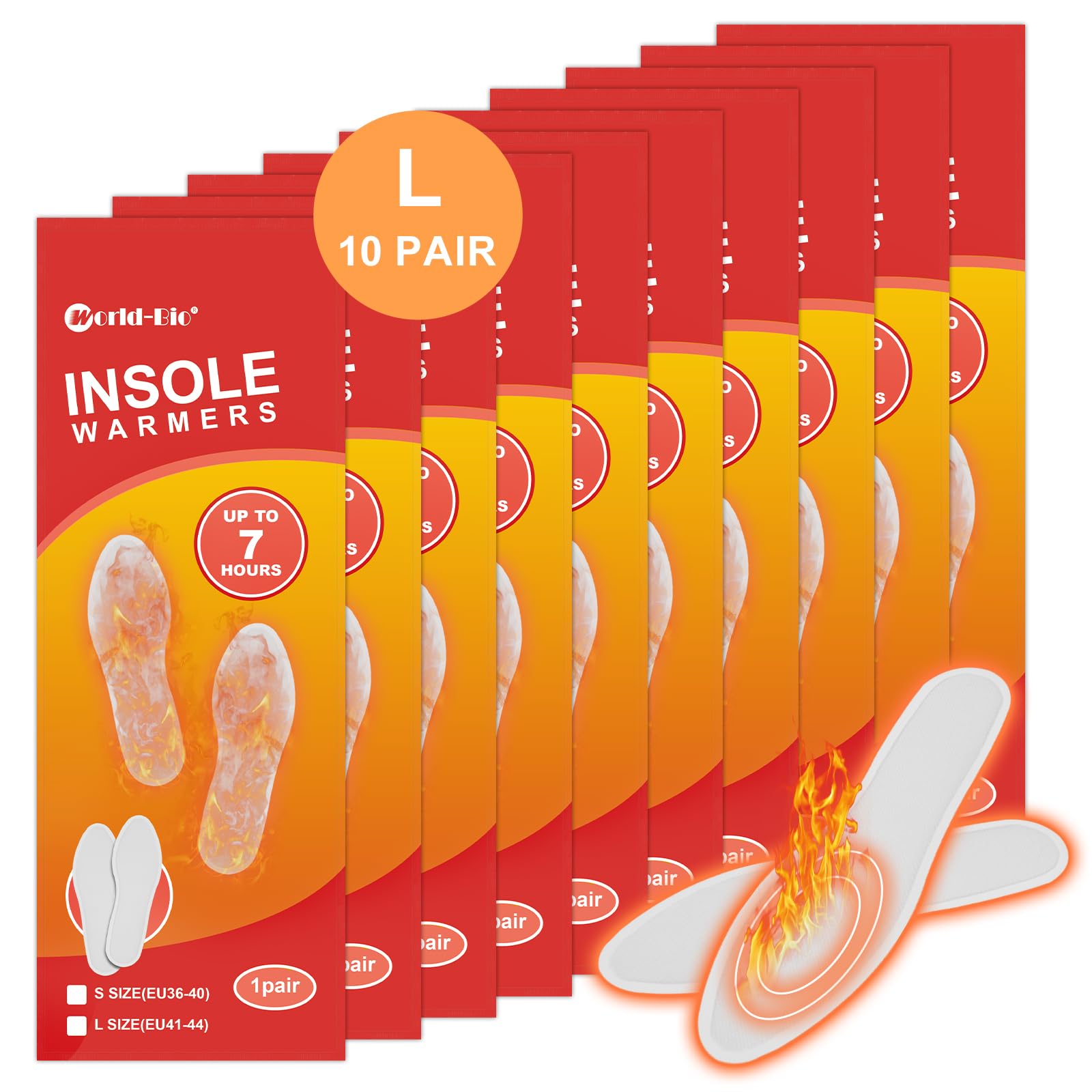
Blobuste Disposable Foot Warmers are air‑activated, ultra‑thin insoles that provide up to seven hours of steady heat. They are available in packs ranging from six to forty pairs, allowing users to stock sufficient quantities for multi‑day treks. The adhesive backing ensures the warmers remain in place during vigorous activity, and the odorless formulation prevents unpleasant smells in enclosed boots.
- Price: $21.99 per pack (varies by quantity)
- Rating: 4.1/5.0 based on 89 reviews
- Key features: Air‑activated technology, ultra‑thin profile, disposable convenience, available in sizes S and L
At elevations above 10,000 feet, the reduced oxygen may slightly diminish the peak temperature, but the seven‑hour duration remains reliable because the reaction rate is gradual rather than abrupt.
Snook‑Ease Microwaveable Slipper Inserts
Snook‑Ease Microwaveable Slipper Inserts are reusable, odorless inserts that heat in a microwave for 30 seconds and retain warmth for up to thirty minutes. The LavaTech mineral blend provides rapid heat release without the need for batteries, making them ideal for base‑camp use where charging options are limited.
- Rating: 4.1/5.0 based on 315 reviews
- Key features: 30‑second microwave activation, odorless mineral composition, reusable up to 100 cycles
Because these inserts do not depend on atmospheric oxygen, they maintain consistent warmth at any altitude. However, users must plan for periodic reheating, which may be inconvenient during continuous ascent.
StepTastic 4D Cloud Insoles
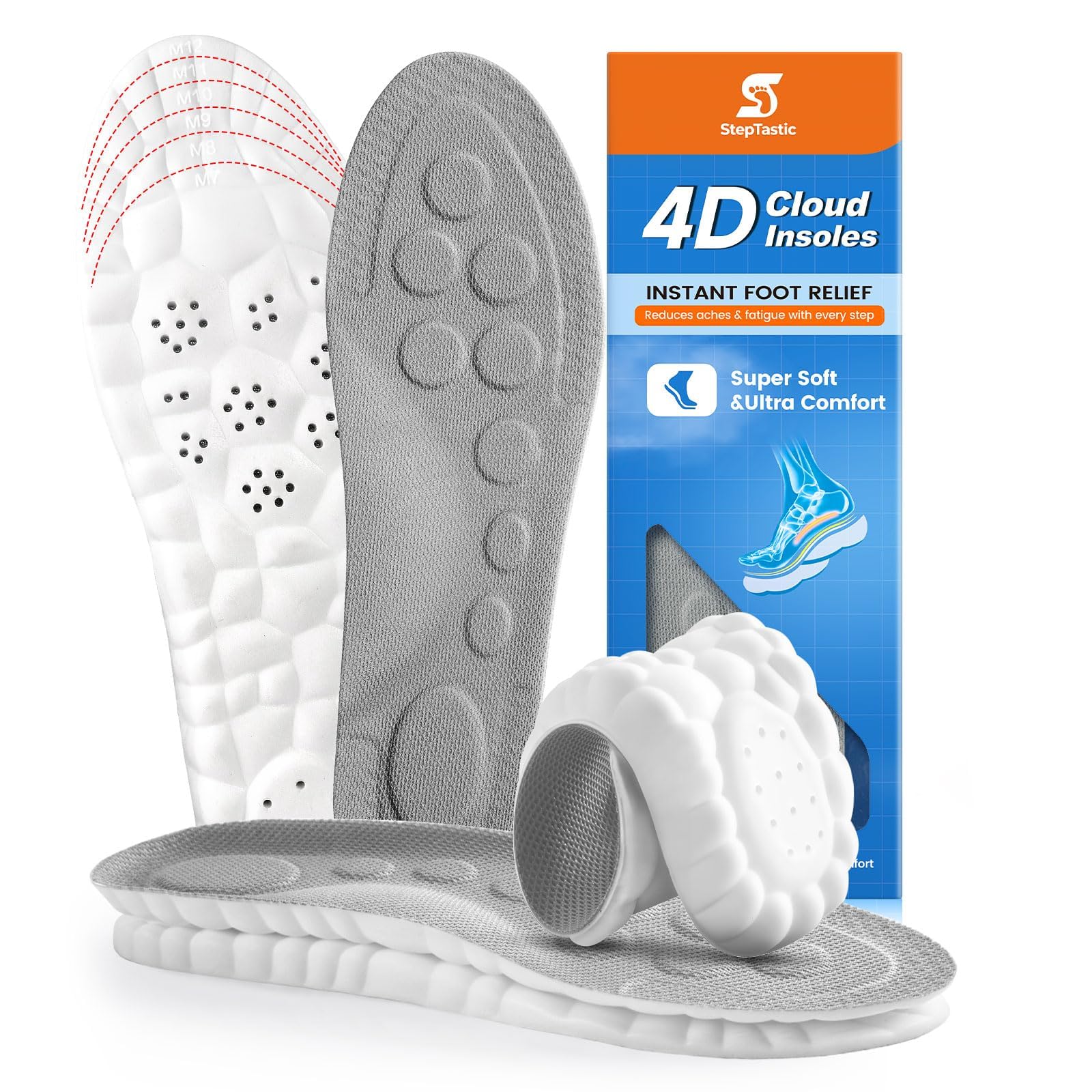
StepTastic 4D Cloud Insoles are high‑density foam insoles that provide shock absorption, arch support, and breathability. While they are not heated, they complement heated inserts by reducing foot fatigue and improving circulation, which enhances overall thermal comfort.
- Price: $8.99 per pair
- Rating: 4.3/5.0 based on 171 reviews
- Key features: Cloud‑like cushioning, ergonomic arch support, breathable perforations, trim‑to‑fit design
When paired with a heated insert, the cloud insole acts as an insulating barrier that slows heat loss, extending the effective warmth period at high elevations.
Comparison and Selection Guide
| Feature | Blobuste Disposable Foot Warmers | Snook‑Ease Microwaveable Slipper Inserts | StepTastic 4D Cloud Insoles |
|---|---|---|---|
| Heat Source | Air‑activated chemical reaction | Microwave‑heated mineral blend | Passive cushioning (no heat) |
| Duration at Sea Level | Up to 7 hours | Up to 30 minutes per heating | Continuous |
| Effect of Altitude | Slight reduction in peak temperature above 8,000 ft | No effect (oxygen independent) | Improved insulation when combined with heat source |
| Battery Requirement | No | No | No |
| Reusable | No (disposable) | Yes (up to 100 cycles) | Yes |
| Price per Use | Approximately $0.55 per pair (40‑pair pack) | Approximately $0.20 per heating cycle | $8.99 per pair |
| Best Use Case | Multi‑day backcountry trips | Base‑camp relaxation or short hikes | Daily walking, hiking, or as a base layer for heated inserts |
For mountaineers who require long, uninterrupted warmth, Blobuste Disposable Foot Warmers provide the most reliable heat output despite a modest altitude impact. For campers who can reheat inserts between activities, Snook‑Ease offers a battery‑free solution that performs consistently at any elevation. StepTastic 4D Cloud Insoles are recommended as a complementary product that enhances comfort and reduces heat loss.
Best Practices & Tips for High‑Altitude Warmth
- Pre‑heat chemical warmers in a sealed bag before ascent; this reduces the initial oxygen deficit.
- Store battery‑powered inserts close to the body (e.g., inside a jacket pocket) to keep the battery warm and maintain capacity.
- Layer footwear: use a moisture‑wicking liner, then the heated insert, followed by a breathable outer boot to trap heat while allowing sweat to escape.
- Re‑activate air‑activated warmers by exposing them to fresh air and gently shaking if heat diminishes.
- For reusable microwave inserts, carry a lightweight, insulated container to keep them warm between heating cycles.
- Combine passive cushioning (such as StepTastic 4D Cloud Insoles) with active heating to maximize thermal retention.
- Monitor foot temperature regularly; numbness may indicate excessive cold or reduced circulation despite heating.
Frequently Asked Questions
- 1. Does altitude reduce the warmth of chemical foot warmers?
- Yes, lower oxygen levels at high elevations can slow the oxidation reaction, resulting in a modest decrease in maximum temperature. The overall duration remains close to the advertised seven hours.
- 2. Can I use battery‑powered heated insoles at 12,000 ft?
- Battery capacity drops in cold environments, but insulated storage and periodic warming of the battery can mitigate loss. Expect up to 20% reduced runtime compared with sea‑level performance.
- 3. Are microwaveable inserts safe to use in tents?
- They are safe as long as they are heated in a microwave and allowed to cool before placement inside footwear. They do not contain open flames or chemicals that could pose a fire hazard.
- 4. How often should I replace disposable warmers?
- Disposable warmers are designed for single‑use. Replace them after each activation cycle, especially after exposure to moisture or extreme cold that may compromise the adhesive backing.
- 5. Do cloud insoles improve battery life of heated inserts? dd>By providing an insulating layer, cloud insoles reduce the rate of heat loss, which can extend the effective warmth period of a heated insert by up to 15% in windy conditions.
- 6. What is the best way to carry extra warmers on a climb?
- Store them in a waterproof zip‑lock bag inside a backpack compartment close to the body. This protects them from moisture and keeps them at a higher temperature.
Conclusion
Altitude influences heated insoles through reduced oxygen, colder ambient temperatures, and altered heat dissipation. By understanding these mechanisms, selecting appropriate products, and following best‑practice strategies, one can maintain reliable foot warmth on any mountain expedition. Whether one chooses the long‑lasting Blobuste Disposable Foot Warmers, the reusable Snook‑Ease Microwaveable Slipper Inserts, or the supportive StepTastic 4D Cloud Insoles, the key is to match the product to the specific altitude and activity profile.
Products Featured in This Guide
Blobuste Disposable Foot Warmers
Price: $21.99 | Rating: 4.1/5.0 (89 reviews)
Featured because it provides up to seven hours of air‑activated heat, is ultra‑thin, and remains effective at high elevations despite a slight temperature reduction.
Snook‑Ease Microwaveable Slipper Inserts
Rating: 4.1/5.0 (315 reviews)
Featured because it delivers rapid, odorless warmth without reliance on oxygen, making it ideal for base‑camp comfort at any altitude.
StepTastic 4D Cloud Insoles
Price: $8.99 | Rating: 4.3/5.0 (171 reviews)
Featured because its cloud‑like cushioning and breathable design enhance overall foot comfort and extend the effective warmth of heated inserts at altitude.