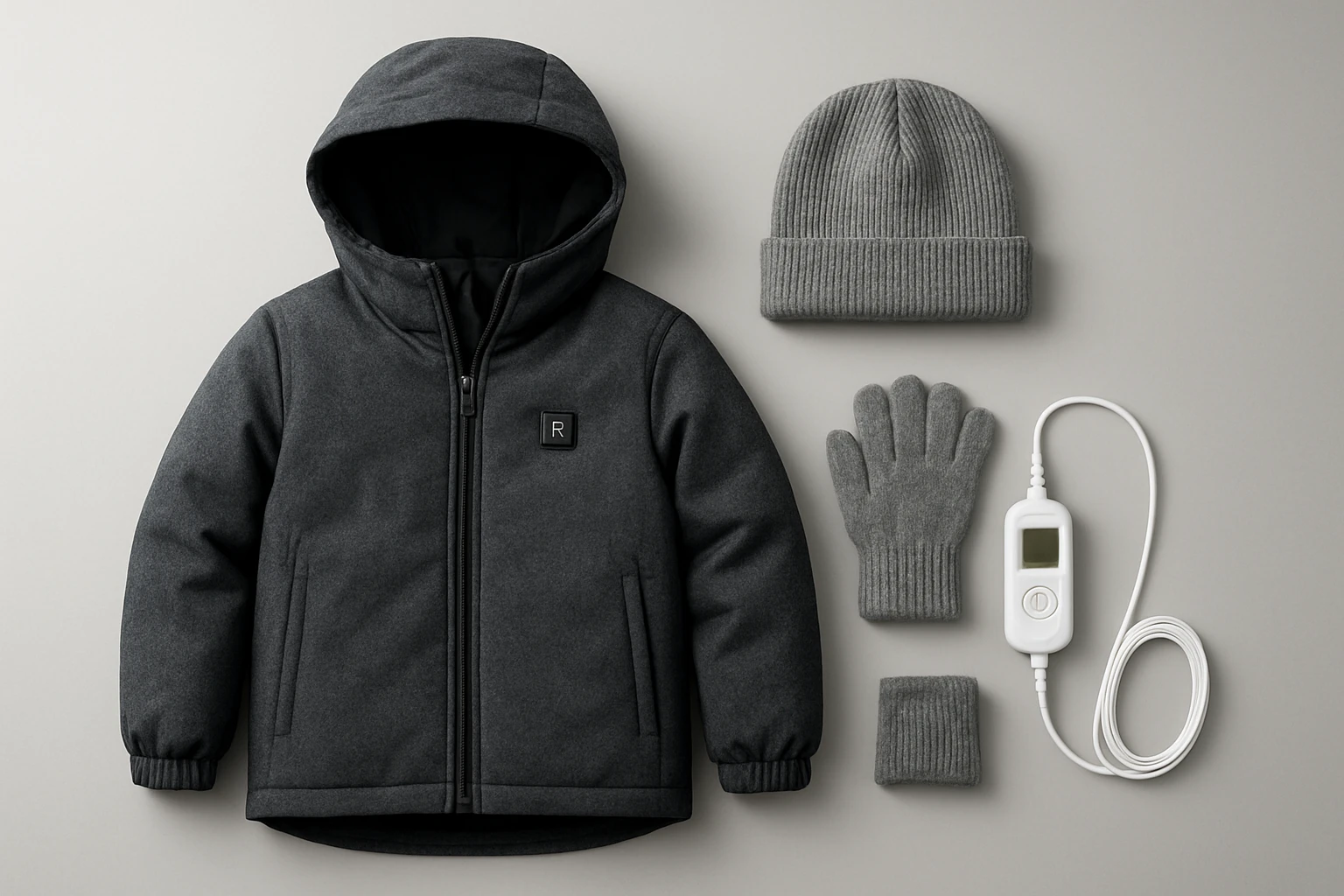
Heated Clothing for Kids: Complete Parents' Guide to Safety Standards, Certifications & Buying Tips
Introduction
Parents increasingly seek heated apparel to keep children comfortable during outdoor activities in cold weather. This guide explains the essential safety standards, industry certifications, and practical buying tips that enable one to select reliable heated clothing for kids. Readers will learn how heating technology works, what to look for in product specifications, and how to balance performance with safety. By the end of the article, one will be equipped to make an informed purchase decision without compromising a child’s well‑being.
Background and Context
Heated garments integrate flexible heating elements, often powered by rechargeable lithium‑ion batteries, to generate warmth on demand. The technology originated in professional sports and military apparel before becoming accessible to consumers. For children, the primary concerns are temperature regulation, battery safety, and material durability. Regulatory bodies such as the Consumer Product Safety Commission (CPSC) in the United States and the European Committee for Standardization (CEN) define testing protocols for thermal output, electrical insulation, and fire resistance. Certifications like UL (Underwriters Laboratories) and CE mark indicate compliance with these rigorous standards.
Understanding these frameworks helps parents differentiate between products that merely claim warmth and those that have been independently verified for safety. Additionally, knowledge of fabric technology—such as waterproof membranes, breathable liners, and insulated linings—provides insight into how a garment performs in varied weather conditions.
Key Concepts and Product Recommendations
When evaluating heated clothing for kids, consider the following categories:
- Heating Mechanism: Carbon fiber panels or metallic wires embedded in the fabric. Carbon fiber offers uniform heat distribution and lower power consumption.
- Temperature Controls: Built‑in thermostats with multiple heat settings allow caregivers to adjust warmth without removing the garment.
- Battery Safety: Removable, sealed lithium‑ion packs with short‑circuit protection and over‑charge safeguards are essential.
- Material Performance: Waterproof, wind‑proof exteriors combined with insulated linings protect against wind chill and moisture.
Two products exemplify these principles:
First, the Hiturbo Kids Swim Parka provides a waterproof changing robe with a thick insulated lining, making it suitable for post‑swim warmth. It features an oversized cut, a hooded surf poncho design, and a soft interior that traps heat. The parkas rating of 4.4 stars from 334 reviews reflects consistent satisfaction with its durability and ease of use. Priced at $64.99, it offers a budget‑friendly entry point for parents seeking basic thermal protection.
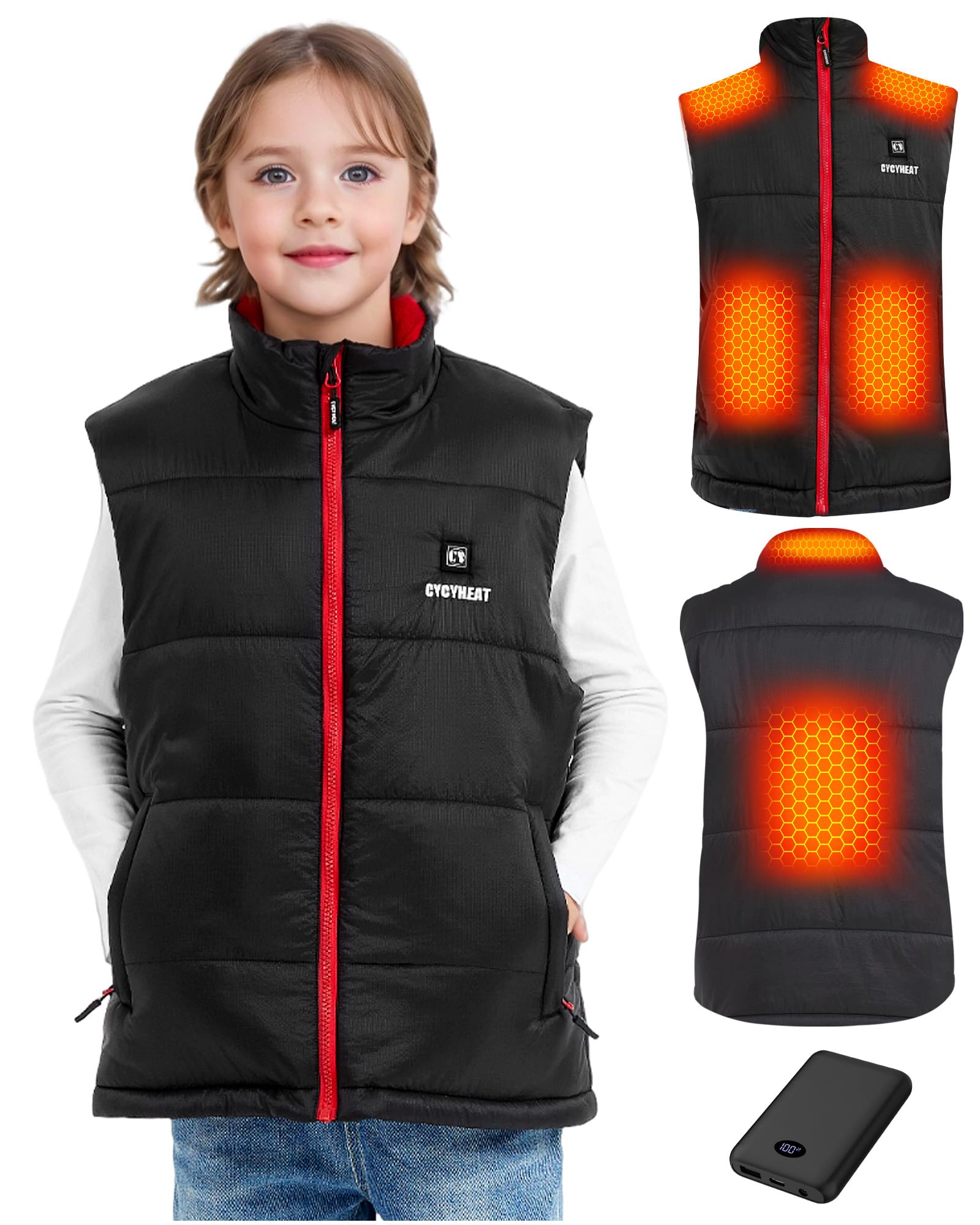
Second, the CYCYHEAT Kids Heated Vest delivers active heating technology for skiing and other high‑intensity activities. It incorporates a lightweight heating element powered by a detachable battery pack, offering three adjustable temperature levels. With a 4.5‑star rating from 82 reviewers and a price of $79.98, the vest balances performance with safety features such as automatic shut‑off after 90 minutes of continuous use.
Comparison and Selection Guide
| Feature | Hiturbo Kids Swim Parka | CYCYHEAT Kids Heated Vest |
|---|---|---|
| Primary Use | Post‑swim warmth, casual outdoor play | Active winter sports, skiing, snowboarding |
| Heating Technology | Passive insulation (no active heating) | Carbon‑fiber heating panels with battery |
| Temperature Settings | None (reliant on material insulation) | Three adjustable levels |
| Battery | Not applicable | Removable 2200 mAh lithium‑ion pack |
| Waterproof Rating | IPX4 (spray resistant) | IPX5 (water‑jet resistant) |
| Price | $64.99 | $79.98 |
| Average Rating | 4.4/5 (334 reviews) | 4.5/5 (82 reviews) |
Parents should match the garment’s primary function with their child’s activity profile. For occasional beach outings or park play, the Hiturbo Swim Parka offers sufficient warmth without the complexity of batteries. For high‑energy winter sports, the CYCYHEAT Heated Vest provides controllable heat that can be fine‑tuned to prevent overheating.
Best Practices & Tips
- Check Certification Labels: Verify UL, CE, or ISO markings before purchase. These symbols indicate third‑party testing for electrical safety.
- Test Battery Before First Use: Charge the battery fully, then monitor temperature for the first 10 minutes to ensure the heating element functions within safe limits.
- Layer Wisely: Combine heated garments with moisture‑wicking base layers to avoid sweat accumulation, which can reduce insulation efficiency.
- Follow Manufacturer Cleaning Instructions: Most heated clothing requires hand washing and air drying to protect electronic components.
- Set a Timer: Even with automatic shut‑off, limit continuous heating sessions to 60–90 minutes to prevent skin irritation.
- Inspect Regularly: Look for frayed seams, exposed wires, or battery swelling before each use. Replace any compromised item immediately.
- Educate Children: Teach kids not to tamper with battery packs or heating controls while the garment is in use.
Frequently Asked Questions
- 1. Are heated garments safe for children under five?
- Yes, provided the product carries appropriate safety certifications and includes temperature limits below 40 °C (104 °F). Always supervise young children and avoid direct skin contact with heating elements.
- 2. How long does a typical battery last?
- Battery life varies by heat setting. At the lowest setting, most children's vests operate for 6–8 hours; at the highest setting, expect 2–3 hours of continuous heat.
- 3. Can I wash a heated vest with the battery inside?
- No. Remove the battery pack before washing. Follow the manufacturer’s recommendation, usually hand wash in cold water and lay flat to dry.
- 4. What is the difference between waterproof and water‑resistant?
- Waterproof garments meet higher standards (e.g., IPX5 or above) and prevent water penetration under pressure, whereas water‑resistant items only repel light rain or splashes.
- 5. Do heated garments interfere with other electronic devices?
- Heated clothing uses low‑voltage DC power and is shielded to prevent electromagnetic interference. It will not affect smartphones or GPS devices.
- 6. How do I know if a garment is UL‑listed?
- Look for the UL logo on the product tag, packaging, or in the online description. The listing number can be verified on UL’s public database.
- 7. Is it necessary to buy a heated coat if my child already wears a winter jacket?
- Heated garments are beneficial for children who experience rapid heat loss, such as those with low body fat or medical conditions that affect circulation. They can supplement a regular jacket for added comfort.
Conclusion
Heated clothing for kids combines modern heating technology with rigorous safety standards to provide reliable warmth during cold‑weather activities. By understanding certifications, evaluating product specifications, and following best‑practice guidelines, parents can select garments that protect their children without compromising safety. Whether one chooses the budget‑friendly Hiturbo Kids Swim Parka for everyday use or the performance‑oriented CYCYHEAT Kids Heated Vest for winter sports, the key is to prioritize certified safety features and proper maintenance.
Products Featured in This Guide
Hiturbo Kids Swim Parka
Price: $64.99
Rating: 4.4/5 (334 reviews)
Featured because it offers waterproof protection and insulated warmth for post‑swim or casual outdoor use, demonstrating how passive thermal design can meet safety standards without active heating.
CYCYHEAT Kids Heated Vest
Price: $79.98
Rating: 4.5/5 (82 reviews)
Featured because it incorporates certified carbon‑fiber heating elements, adjustable temperature controls, and a removable battery, exemplifying active heated apparel that adheres to stringent safety certifications.
