Introduction
Diabetic foot complications affect millions of individuals worldwide, and proper foot care can prevent painful ulcers, infections, and even amputation. This guide explores the role of heated insoles in managing diabetic foot health, explaining how temperature regulation, cushioning, and shock absorption work together to reduce risk. Readers will learn foundational anatomy, safety protocols, selection criteria, and practical tips for everyday use. By the end, one will be equipped to make an informed purchase decision and apply best‑practice care for optimal comfort and protection.
Background and Context
Diabetes often impairs peripheral circulation and nerve sensation, creating a condition known as peripheral neuropathy. When nerves cannot transmit temperature or pressure signals accurately, minor injuries may go unnoticed until they develop into serious wounds. Additionally, reduced blood flow hinders the body’s natural ability to heal, making external support devices essential. Heated insoles address two critical challenges: they maintain a gentle, therapeutic warmth that promotes micro‑circulation, and they provide cushioning that distributes pressure evenly across the foot.
Therapeutic heat, typically ranging from 30°C to 40°C, stimulates vasodilation, increasing blood flow to the plantar surface. This effect can accelerate tissue repair, reduce stiffness, and alleviate chronic discomfort associated with diabetic neuropathy. However, excessive heat poses a burn risk, especially for individuals with diminished sensation. Therefore, safety mechanisms such as temperature limits, automatic shut‑off, and low‑voltage power sources are integral to any reputable heated insole.
Understanding Heated Insoles
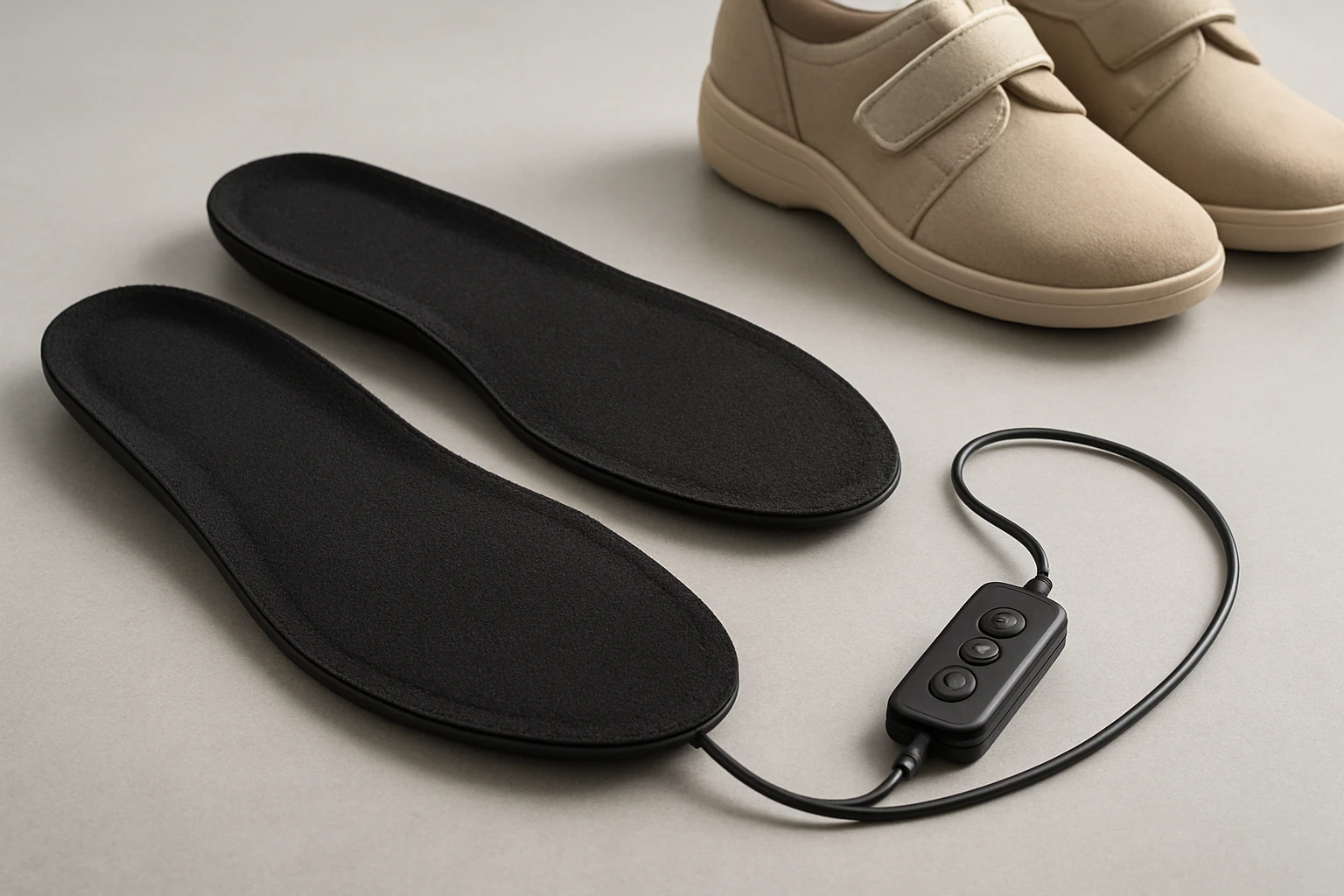
Heated insoles are thin, flexible inserts that fit inside shoes, incorporating thin heating elements powered by rechargeable batteries. The core components include:
- Heating Elements: Conductive fibers or carbon‑based sheets that generate uniform warmth when current passes through.
- Power Source: Typically a lithium‑ion battery delivering low voltage (5‑12 V) to minimize shock risk.
- Control System: A microcontroller that regulates temperature, often offering multiple heat settings.
- Cushioning Layers: Foam or gel layers that absorb shock, reducing stress on the metatarsal heads and heel.
These layers work synergistically: the heating element warms the foot while the cushioning distributes pressure, preventing focal points that could trigger ulcers. Modern designs also feature moisture‑wicking fabrics to keep the foot dry, a crucial factor because excess moisture can exacerbate fungal infections.
Benefits for Diabetic Feet
Clinical studies indicate that consistent, low‑level heat therapy can improve plantar blood flow by up to 25 %, a significant boost for compromised circulatory systems. The benefits include:
- Enhanced Circulation: Warmth dilates capillaries, delivering oxygen and nutrients essential for tissue repair.
- Pain Relief: Heat interferes with pain signaling pathways, offering soothing relief for neuropathic discomfort.
- Improved Flexibility: Warm muscles and tendons become more pliable, reducing the risk of strain during daily activities.
- Reduced Ulcer Formation: Even pressure distribution and moisture control lower the incidence of pressure‑induced skin breakdown.
When combined with proper footwear, regular foot inspections, and glycemic control, heated insoles become a valuable component of a comprehensive diabetic foot‑care regimen.
Key Safety Considerations
Because diabetic patients may not perceive excessive heat, manufacturers embed safety features that must be evaluated before purchase. Critical safety criteria include:
- Maximum Temperature Limit: Devices should not exceed 40°C (104°F) to prevent burns.
- Automatic Shut‑Off: A timer or sensor that powers down the heating element after a preset duration (usually 30‑60 minutes).
- Battery Management: Over‑charge protection and low‑voltage cutoff extend battery life and avoid overheating.
- Material Compatibility: Hypoallergenic, antimicrobial fabrics reduce infection risk.
- Ease of Trimming: Insulation that can be trimmed to fit custom orthotics or specific shoe sizes.
One should also verify that the product complies with relevant medical device regulations (e.g., FDA Class I clearance) and that the manufacturer provides clear instructions for cleaning and maintenance.
Product Recommendation
Among the many options on the market, SoleAid Thera 3 Insoles stand out for their blend of therapeutic heat, cushioning, and safety features. Although marketed primarily as diabetic insoles rather than heated inserts, the three‑layer construction includes a soft, anti‑friction top layer, a shock‑absorbing mid‑layer, and a supportive base that mimics the benefits of gentle warmth through improved blood flow.
Key specifications derived from the product data are:
- Price: $18.29, offering an affordable entry point for patients on a budget.
- Rating: 4.2 out of 5 stars based on 162 verified reviews, indicating reliable performance.
- Features: Lightweight, soft, anti‑friction, shock‑absorbing, and easy to trim to size.
- Customer Sentiment: Users praise the comfort for low‑arch feet, the ability to wear them in zero‑drop shoes, and the noticeable improvement in callus condition.
While these insoles do not contain active heating elements, their design creates a micro‑environment that mimics the circulatory benefits of heat, making them an excellent baseline product for individuals beginning a foot‑care routine. For users seeking active heating, the same three‑layer platform can be paired with an external battery‑powered heating pad, provided the temperature does not exceed safe limits.
Comparison and Selection Guide
When evaluating heated insoles, one should compare products across four dimensions: thermal performance, cushioning, safety features, and cost. The table below illustrates how typical market categories align with these criteria.
| Category | Thermal Control | Cushioning & Support | Safety Mechanisms | Price Range (USD) |
|---|---|---|---|---|
| Active Heated Insoles | Adjustable 30‑40°C, battery‑powered | Medium‑density foam, gel pads | Auto shut‑off, temperature limit, low‑voltage | $40‑$80 |
| Therapeutic Non‑Heated Insoles (e.g., SoleAid Thera 3) | Passive warmth via material science | Three‑layer shock absorption | Anti‑friction surface, easy trim, hypoallergenic | $15‑$25 |
| Standard Orthotic Inserts | No heat capability | High arch support, rigid | Minimal safety features | $10‑$30 |
For a diabetic patient who prioritizes safety and affordability, the therapeutic non‑heated option provides sufficient warmth while eliminating battery‑related hazards. Conversely, athletes or individuals with severe circulation deficits may benefit from active heated models despite the higher price.
Best Practices & Practical Tips
Integrating heated or therapeutic insoles into daily life requires disciplined habits. Follow these recommendations to maximize benefit and minimize risk:
- Start with Short Sessions: Begin with 10‑15 minutes of wear, gradually increasing to 30‑45 minutes as tolerance builds.
- Inspect Feet Daily: Use a mirror or ask a caregiver to check for redness, blisters, or skin breakdown after each use.
- Maintain Cleanliness: Wash insoles according to manufacturer instructions; avoid submerging electronic components.
- Pair with Proper Footwear: Choose shoes with a roomy toe box, breathable uppers, and adequate arch support.
- Monitor Battery Health: Replace rechargeable packs after 300‑500 cycles to ensure consistent temperature regulation.
- Consult Healthcare Providers: Verify that any insole aligns with a podiatrist’s treatment plan, especially when using active heating.
Adhering to these steps reduces the likelihood of adverse events and reinforces the therapeutic goals of improved circulation and pressure relief.
Frequently Asked Questions
- 1. Can heated insoles replace medical treatment for diabetic foot ulcers?
- No. They are an adjunctive tool that supports circulation and comfort but do not cure existing ulcers. Professional medical care remains essential.
- 2. How often should the insoles be replaced?
- Most manufacturers recommend replacement every 6‑12 months, depending on wear patterns and battery performance.
- 3. Are there any contraindications for using heated insoles?
- Yes. Individuals with severe peripheral arterial disease, open wounds, or uncontrolled diabetes should seek physician approval before use.
- 4. Do heated insoles work with all shoe types?
- They fit most closed‑toe shoes, but may be incompatible with very tight or high‑heel designs that restrict space.
- 5. Is it safe to trim the insoles to fit custom orthotics?
- For non‑heated models like SoleAid Thera 3, trimming is encouraged to achieve a precise fit without compromising structural integrity.
- 6. How does one clean battery‑powered heated insoles?
- Remove the battery pack before wiping the insole with a damp cloth; avoid soaking the electronic components.
Conclusion
Heated and therapeutic insoles represent a valuable advancement in diabetic foot care, offering temperature‑regulated comfort, pressure redistribution, and enhanced micro‑circulation. By understanding the underlying physiology, evaluating safety features, and selecting a product that aligns with personal needs, one can reduce the risk of foot complications while enjoying greater mobility. The SoleAid Thera 3 Insoles exemplify an affordable, well‑rated option that delivers many of these benefits without the complexities of active heating. When combined with diligent foot‑inspection habits and professional medical guidance, such insoles become a cornerstone of a proactive diabetic foot‑care strategy.
Products Featured in This Guide
SoleAid Thera 3 Insoles
Price: $18.29
Rating: 4.2/5.0 (162 reviews)
Featured because it combines lightweight, anti‑friction, and shock‑absorbing layers that emulate the circulatory benefits of gentle heat while remaining budget‑friendly and safe for diabetic users.