![ORORO [Upgraded] Women's Heated Fleece Vest with Heated Collar and Battery, Lightweight Heating Vest Fleece](https://m.media-amazon.com/images/I/71MJjtqW3xL.jpg)
Introduction
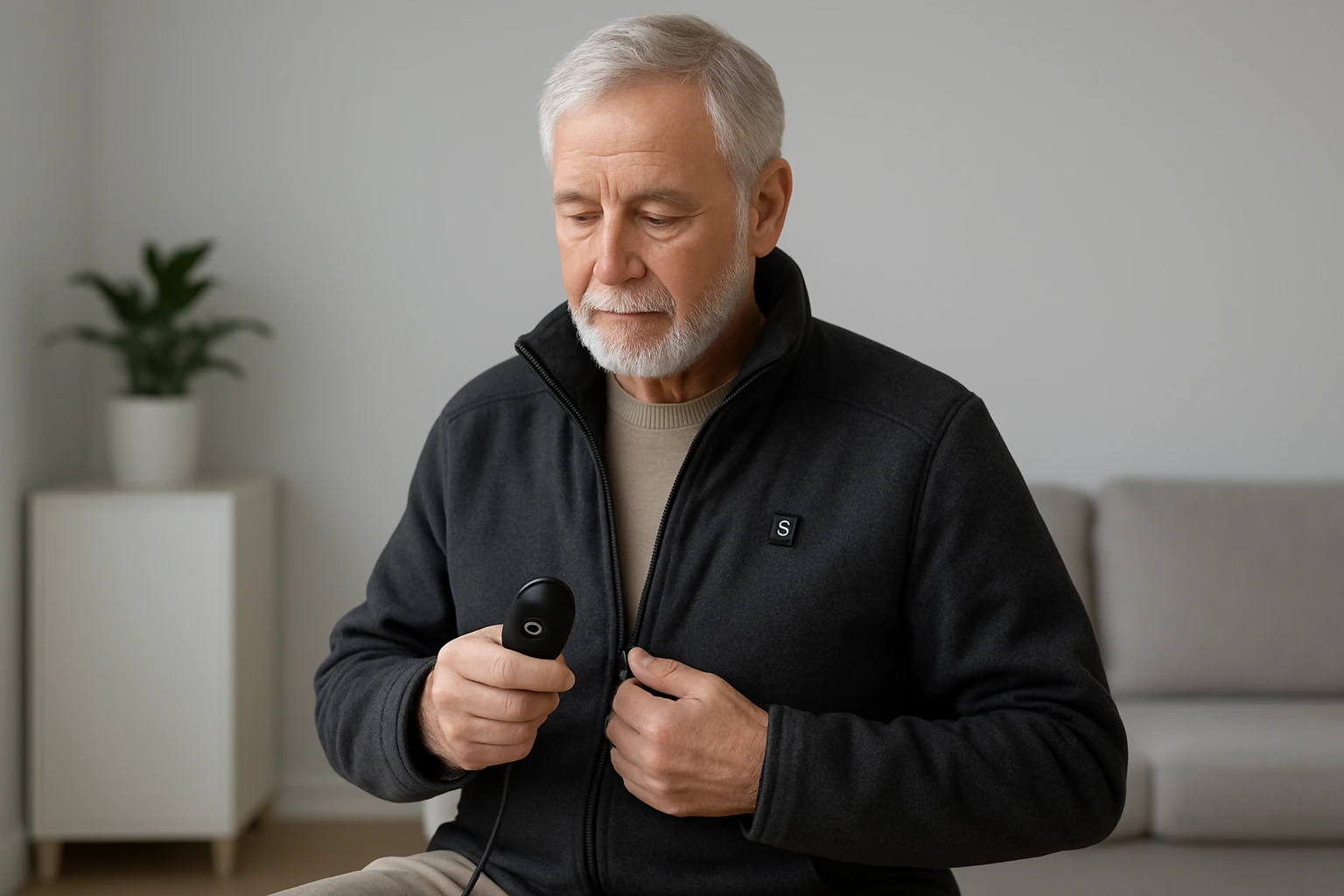
Cold weather poses a serious health risk for older adults, especially those with circulation problems or arthritis. Heated clothing offers a modern solution, delivering controlled warmth directly to the body. This guide explains the science behind heated wear, outlines safety considerations, and recommends three Amazon products that meet senior‑friendly criteria. Readers will learn how to select appropriate items, use them responsibly, and maintain them for long‑term performance.
Background and Context
Thermal regulation declines with age because the skin becomes thinner, blood vessels lose elasticity, and metabolic heat production slows. Traditional layers—wool, fleece, and down—provide insulation but can become heavy or restrictive. Electric heated garments incorporate thin carbon‑fiber or steel‑wire heating elements powered by rechargeable lithium‑ion batteries. When designed correctly, they supply steady heat without overheating, reducing the risk of hypothermia while preserving mobility.
Key technical terms include:
- Heating element: The conductive material that converts electrical energy into heat.
- Battery capacity (mAh): Indicates how long a device can operate before recharging.
- Temperature settings: Pre‑programmed levels that allow the user to adjust warmth.
Understanding these concepts helps seniors evaluate whether a heated vest, jacket, or pair of gloves will meet their comfort and safety needs.
Understanding Heated Clothing
Heated garments function by distributing low‑voltage heat across targeted areas. For seniors, the most important safety features are:
- Automatic shut‑off: Prevents overheating by turning the device off after a preset period.
- Even heat distribution: Minimizes hot spots that could cause skin irritation.
- Water‑resistant construction: Protects the battery and heating elements from moisture, a common concern for outdoor activities.
When these criteria are met, heated clothing can improve circulation, alleviate joint stiffness, and extend the time older adults spend outdoors safely.
Choosing Safe Heated Wear
Selection should begin with an assessment of lifestyle, climate, and medical considerations. For example, a senior who enjoys short walks may benefit from a lightweight vest, whereas someone who spends extended periods outdoors may prefer a full‑length jacket. Below are three Amazon products that exemplify senior‑friendly design.
Lightweight Core Warmth
The ORORO Heated Vest provides targeted heat to the torso and neck, areas prone to rapid cooling. It features a detachable battery pack rated at 1200 mAh, delivering up to 8 hours of warmth on the lowest setting. With a 4.4‑star rating from 2,106 reviews, users commend its soft fleece interior and easy‑to‑use three‑level temperature control. The vest’s lightweight construction (under 1 lb) ensures it does not add significant bulk, making it ideal for seniors who prefer minimal restriction.
Full‑Body Protection
The Weston Heated Jacket offers comprehensive coverage with optional hood. Its rechargeable battery (1500 mAh) powers the jacket for 6‑7 hours on medium heat. The jacket’s polyester‑fleece exterior is water‑resistant, and the interior includes a soft lining that reduces friction against sensitive skin. With a 4.3‑star rating from 169 reviewers, it is praised for its reliable heating zones across the chest, back, and sleeves, making it suitable for seniors who require full‑body warmth during prolonged outdoor activities.
Hand Protection and Dexterity
For seniors who need to keep their hands warm while maintaining touchscreen capability, the Seyola Heated Gloves are a practical choice. They incorporate a 3000 mAh battery that provides 2.5‑6.5 hours of heat across three settings. The gloves are waterproof, windproof, and feature touchscreen‑compatible fingertips, allowing users to operate smartphones without removing them. With a 4.3‑star rating from 157 reviews, they are highlighted for rapid heat‑up (within 15 seconds) and comfort for individuals with arthritis.
Comparison and Selection Guide
| Feature | ORORO Heated Vest | Weston Heated Jacket | Seyola Heated Gloves |
|---|---|---|---|
| Primary Coverage | Torso & neck | Full body (with optional hood) | Hands |
| Battery Capacity | 1200 mAh | 1500 mAh | 3000 mAh |
| Heat Duration (low setting) | Up to 8 hrs | 6‑7 hrs | 6.5 hrs |
| Weight | ~1 lb | ~2.5 lb | ~0.5 lb |
| Water Resistance | Yes (light rain) | Yes (moderate rain) | Waterproof |
| Price | $124.99 | $116.99 | $34.99 |
| Rating | 4.4/5 (2,106 reviews) | 4.3/5 (169 reviews) | 4.3/5 (157 reviews) |
When choosing, seniors should prioritize the area of greatest heat loss, battery life, and ease of operation. For indoor use or short trips, the vest offers sufficient warmth with minimal weight. For extended outdoor excursions in wet climates, the jacket provides broader protection. For activities that require manual dexterity—such as using a phone or handling tools—the gloves are indispensable.
Best Practices & Tips
- Charge Fully Before First Use: Ensure the battery reaches 100 % to maximize heat duration and avoid premature wear.
- Test Temperature Settings: Begin with the lowest setting to assess comfort, then increase if necessary. Seniors with reduced skin sensitivity should avoid high settings.
- Monitor Battery Temperature: If the battery feels unusually hot, discontinue use and allow it to cool.
- Layer Strategically: Wear a thin, breathable base layer beneath heated garments to wick moisture away from the skin.
- Remove Before Sleeping: Continuous heat during sleep can disrupt natural thermoregulation and increase fire risk.
- Store Properly: Keep batteries in a cool, dry place when not in use; avoid exposing them to extreme temperatures.
- Follow Care Instructions: The Seyola Heated Gloves can be machine‑washed in a laundry bag after removing the battery, while the vest and jacket should be hand‑washed to preserve heating elements.
Frequently Asked Questions
- 1. Are heated garments safe for people with pacemakers?
- Yes, because they operate at low voltage (typically under 5 V) and emit no electromagnetic radiation that interferes with cardiac devices.
- 2. How long does it take to fully charge the batteries?
- Charging times vary: the ORORO vest battery charges in approximately 4 hours, the Weston jacket in 3‑4 hours, and the Seyola gloves in about 4 hours.
- 3. Can I wear heated clothing while exercising?
- It is advisable to use low heat settings during moderate activity to avoid excessive sweating, which can reduce the effectiveness of the heating element.
- 4. What should I do if the heating element stops working?
- First, verify that the battery is charged and properly connected. If the issue persists, contact the manufacturer’s customer service for warranty assistance.
- 5. Are there any contraindications for people with diabetes?
- Individuals with peripheral neuropathy should monitor skin temperature closely and avoid high settings to prevent burns.
- 6. How often should I replace the battery?
- Typical lithium‑ion batteries retain optimal capacity for 300‑500 charge cycles, roughly 1‑2 years of regular use. Replace when charge duration noticeably declines.
- 7. Can I use the heated garments in wet conditions?
- The ORORO vest and Weston jacket are water‑resistant and can tolerate light rain, while the Seyola gloves are fully waterproof and suitable for snow or wet environments.
Conclusion
Heated clothing can be a vital tool for seniors seeking to maintain mobility and comfort during cold weather. By understanding the technology, evaluating safety features, and selecting products that align with personal activity levels, older adults can enjoy reliable warmth without compromising health. The ORORO Heated Vest, Weston Heated Jacket, and Seyola Heated Gloves each address distinct needs—torso warmth, full‑body protection, and hand dexterity—providing a well‑rounded solution set. Following the best‑practice guidelines ensures long‑term safety and performance.
Products Featured in This Guide
ORORO Heated Vest
Price: $124.99
Rating: 4.4/5 (2,106 reviews)
Featured because it offers lightweight, targeted torso heat with a long‑lasting battery, making it ideal for seniors who need easy‑to‑wear warmth.
Weston Heated Jacket
Price: $116.99
Rating: 4.3/5 (169 reviews)
Featured for its full‑body coverage, water‑resistant fabric, and comfortable heat distribution, suitable for seniors engaging in extended outdoor activities.
Seyola Heated Gloves
Price: $34.99
Rating: 4.3/5 (157 reviews)
Featured because they combine rapid heat, waterproof protection, and touchscreen compatibility, addressing the specific needs of seniors who require hand warmth and dexterity.

