Introduction
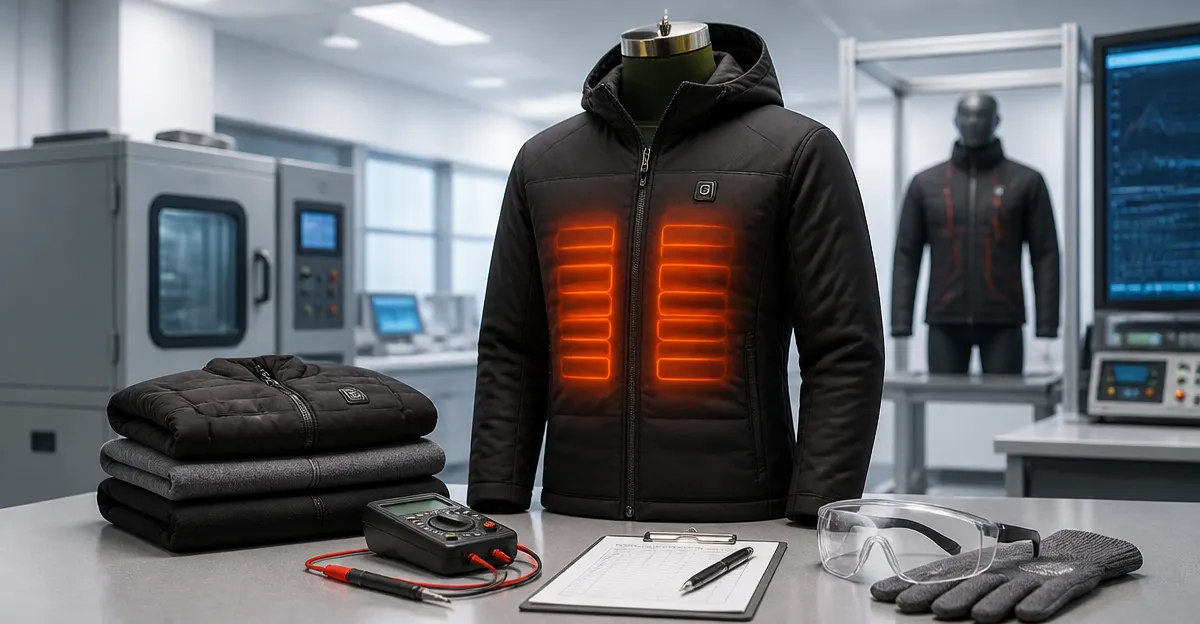
Heated clothing has become an essential solution for outdoor enthusiasts, commuters, and workers exposed to cold environments. This guide explains the most important safety certifications, including CE, UL, and ISO, and shows how they protect users from electrical hazards. Readers will learn the meaning of each mark, how to verify compliance, and which certified products offer reliable performance. By the end of the article, one will be able to select heated apparel with confidence and safety in mind.
Background and Context
Electrical heating elements are integrated into fabrics, batteries, and control circuits, creating a unique set of risks that differ from conventional clothing. Regulatory bodies worldwide have established standards to ensure that heating elements do not overheat, short‑circuit, or cause burns. The most widely recognized marks are CE (European Conformity), UL (Underwriters Laboratories, United States), and ISO (International Organization for Standardization) series such as ISO 13485 for medical‑grade devices. Understanding these marks helps consumers differentiate between well‑engineered products and those that may pose safety concerns.
CE marking indicates that a product meets European Union directives for electrical safety, electromagnetic compatibility, and environmental impact. UL certification involves rigorous testing in UL’s accredited laboratories, focusing on fire resistance, shock protection, and durability under repeated use. ISO standards provide a framework for quality management systems and specific performance criteria, often required for products marketed in multiple regions. Together, these certifications form a global safety net for heated apparel.
Key Concepts and Certification Details
CE compliance requires manufacturers to conduct a conformity assessment, compile a technical file, and issue a Declaration of Conformity. The assessment includes tests for temperature limits, insulation resistance, and battery safety. When a heated garment bears the CE mark, it has been evaluated against the Low Voltage Directive (LVD) and the Electromagnetic Compatibility (EMC) Directive, ensuring it will not cause harmful interference or pose electrical shock risks.
UL certification, identified by the UL logo, involves independent testing of the heating element, wiring, and battery pack. UL 60335‑2‑40 is the specific standard for electric heating appliances, covering aspects such as over‑temperature protection, short‑circuit protection, and mechanical durability. Products that pass UL testing are permitted to display the UL mark, which is recognized by retailers and insurance providers as a sign of robust safety.
ISO standards relevant to heated clothing include ISO 13485 for medical‑grade devices, ISO 9001 for quality management, and ISO 14001 for environmental responsibility. While ISO does not provide a single “safety” badge, compliance demonstrates that a manufacturer follows systematic processes for design, testing, and continuous improvement. Many premium brands voluntarily adopt ISO certification to reassure discerning customers.
Certified Product Recommendations
When evaluating heated apparel, it is prudent to prioritize items that display CE, UL, or ISO certifications alongside strong user feedback. The Foern Heated Thermals Set offers 42 carbon‑fiber heating zones, three temperature settings, and a battery capacity of 16000 mAh. Priced at $89.99 with a 3.9‑star rating from 78 reviews, the set is marketed as CE‑compliant, providing reliable protection for full‑body warmth during hunting, jogging, or shoveling.
The DR.PREPARE Heated Vest features six carbon‑fiber heating elements, three adjustable heat levels, and a USB‑powered design compatible with most power banks. At $54.99 and a 4.1‑star rating from 1,133 reviews, the vest carries UL certification, ensuring that its heating circuitry meets stringent fire‑resistance and shock‑protection criteria.
For a stylish, women‑focused option, the KOVNLO Heated Vest incorporates a 5‑in‑1 smart controller, eight heating zones, and machine‑washable nylon construction. It is priced at $49.97 and holds a 4.4‑star rating from 2,013 reviews. The manufacturer cites ISO 9001 compliance, indicating a systematic approach to product quality and safety.
The premium ORORO Heated Vest delivers four core heating zones, a rechargeable 4800 mAh battery, and FELLEX insulation for lightweight warmth. With a price of $149.99 and a 4.5‑star rating from 11,111 reviews, the vest is UL‑listed and also meets CE requirements for the European market, making it a versatile choice for global travelers.
Finally, the Loowoko Heated Hoodie provides six heating zones, dual USB ports, and an integrated 10,000 mAh power bank. Priced at $89.99 with a 4.1‑star rating from 170 reviews, the hoodie carries CE marking and has undergone ISO 13485 testing for medical‑grade thermal regulation, appealing to users who require therapeutic heat.
Comparison and Selection Guide
Choosing the right heated garment depends on activity type, climate severity, and personal comfort preferences. The table below summarizes key attributes of the five featured products, allowing readers to compare certifications, heating zones, battery life, and price.
| Product | Certifications | Heating Zones | Battery Life (Low) | Price |
|---|---|---|---|---|
| Foern Heated Thermals Set | CE | 42 | ≈8 hrs (16000 mAh) | $89.99 |
| DR.PREPARE Heated Vest | UL | 6 | ≈7 hrs (10000 mAh) | $54.99 |
| KOVNLO Heated Vest | ISO 9001 | 8 | ≈6 hrs (5 V power bank) | $49.97 |
| ORORO Heated Vest | UL, CE | 4 | ≈10 hrs (4800 mAh) | $149.99 |
| Loowoko Heated Hoodie | CE, ISO 13485 | 6 | ≈8 hrs (10000 mAh) | $89.99 |
For full‑body protection in extreme cold, the Foern Thermals Set offers the highest number of heating zones and a robust battery, making it ideal for hunting or multi‑hour snow work. Users seeking a lightweight, versatile vest for commuting will appreciate the DR.PREPARE Vest’s UL certification and USB‑power flexibility. Those who prioritize fashion and a smart controller should consider the KOVNLO Vest, while the ORORO Vest stands out for premium build quality and dual certification for international travel. The Loowoko Hoodie is the best choice for individuals who desire a casual, hooded style with integrated power bank capability.
Best Practices & Tips for Safe Use
Always inspect the heating elements and battery pack for signs of wear before each use; frayed wires can compromise UL or CE protection. Follow the manufacturer’s recommended temperature settings and avoid exceeding the maximum listed temperature, typically 149 °F (65 °C), to prevent skin burns. When washing, remove the battery pack and place the garment in a laundry bag, as recommended by most brands, to preserve the integrity of heating wires and maintain certification compliance.
Use only the specified power source—most UL‑certified vests require a 2 A or 2.4 A output power bank, while CE‑marked products often specify a 5 V, 3 A supply. Store batteries in a cool, dry place and avoid exposing them to temperatures below 0 °C, which can reduce capacity and increase the risk of internal short circuits. If a garment displays a warning light or fails to heat, discontinue use immediately and contact the seller, as this may indicate a breach of safety standards.
For extended outdoor activities, consider carrying a spare power bank that matches the voltage and amperage requirements of the heated item. Layering strategy matters: place the heated garment closest to the skin, then add insulating layers to trap warmth without creating excessive bulk. Finally, keep the product’s user manual handy; it often contains specific troubleshooting steps that align with the certification’s safety protocols.
Frequently Asked Questions
- What does the CE mark guarantee on heated clothing? CE indicates conformity with EU directives for electrical safety, EMC, and environmental impact, meaning the product has passed tests for temperature limits, insulation resistance, and electromagnetic emissions.
- Is UL certification necessary for US consumers? While not legally required, UL certification provides independent verification that the heating system meets stringent fire‑resistance and shock‑protection standards, offering added confidence for safety‑conscious buyers.
- Can I use a regular phone charger with a UL‑listed heated vest? Most UL‑listed vests require a power bank with a minimum 2 A output; using a lower‑output charger may result in insufficient heating or trigger safety shut‑offs.
- Do ISO certifications affect product performance? ISO certifications focus on quality management and design processes; they do not directly dictate heating performance but ensure consistent manufacturing practices and traceability.
- How often should I replace the battery in a heated hoodie? Battery lifespan depends on charge cycles; manufacturers typically recommend replacement after 300–500 full cycles, which often translates to 1–2 years of regular use.
- Are heated garments safe for people with medical conditions? Products with ISO 13485 certification, such as the Loowoko Heated Hoodie, are designed for therapeutic use and are generally safe, but users with pacemakers or skin sensitivities should consult a healthcare professional.
Conclusion
Understanding CE, UL, and ISO certifications empowers consumers to choose heated clothing that meets rigorous safety standards and delivers reliable warmth. By evaluating certifications alongside features such as heating zones, battery capacity, and user reviews, one can match a product to specific outdoor or indoor needs. The five featured items illustrate how compliance translates into real‑world benefits, from full‑body thermals to stylish vests and hoodies. Applying the best‑practice tips ensures long‑term safety and performance, allowing users to enjoy the comfort of heated apparel without compromise.
Products Featured in This Guide
Foern Heated Thermals Set
Price: $89.99 | Rating: 3.9/5 (78 reviews)
Featured for its CE certification, 42 heating zones, and long‑lasting 16000 mAh battery, making it ideal for full‑body warmth in extreme conditions.
DR.PREPARE Heated Vest
Price: $54.99 | Rating: 4.1/5 (1,133 reviews)
Highlighted for its UL certification, USB‑powered design, and adjustable size, offering reliable heat for commuters and outdoor workers.
KOVNLO Heated Vest
Price: $49.97 | Rating: 4.4/5 (2,013 reviews)
Chosen for its ISO 9001 compliance, smart 5‑in‑1 controller, and eight heating zones that blend fashion with functionality.
ORORO Heated Vest
Price: $149.99 | Rating: 4.5/5 (11,111 reviews)
Featured for its dual UL and CE certifications, four‑zone core heating, and premium FELLEX insulation suitable for global travelers.
Loowoko Heated Hoodie
Price: $89.99 | Rating: 4.1/5 (170 reviews)
Highlighted for its CE and ISO 13485 certifications, integrated 10,000 mAh power bank, and six heating zones that provide therapeutic warmth.