Introduction
Fleet managers are increasingly equipping drivers with heated clothing to combat extreme weather and improve safety. This guide explains how to maintain heated garments, meet regulatory requirements, and achieve cost savings. Readers will learn a step‑by‑step maintenance checklist, compliance considerations, and product recommendations that add tangible value. By following the strategies presented, managers can extend the service life of heated apparel while protecting their bottom line.
Background and Context
Heated clothing integrates electric heating elements, rechargeable batteries, and conductive fabrics to keep the wearer warm. The technology originated in outdoor sports but has migrated to commercial fleets where driver comfort directly influences productivity. Understanding the components—thermal fibers, battery packs, control modules, and waterproof shells—is essential for effective upkeep. Moreover, many jurisdictions require documented maintenance records for safety‑critical equipment, making a formal checklist indispensable.
Understanding Heated Clothing for Fleets
Heated garments differ from conventional insulated wear because they rely on electrical power to generate heat. The primary components are:
- Heating elements (often carbon‑fiber or graphene) positioned in high‑loss areas.
- Rechargeable battery packs, typically 7.4 V with capacities ranging from 3000 mAh to 16000 mAh.
- Control units that allow drivers to select temperature settings.
- Protective outer layers that provide waterproof, windproof, and abrasion‑resistant performance.
When any of these components fail, the garment loses its heating capability and may become a liability. Regular inspection of connectors, battery health, and fabric integrity therefore becomes a core operational task.
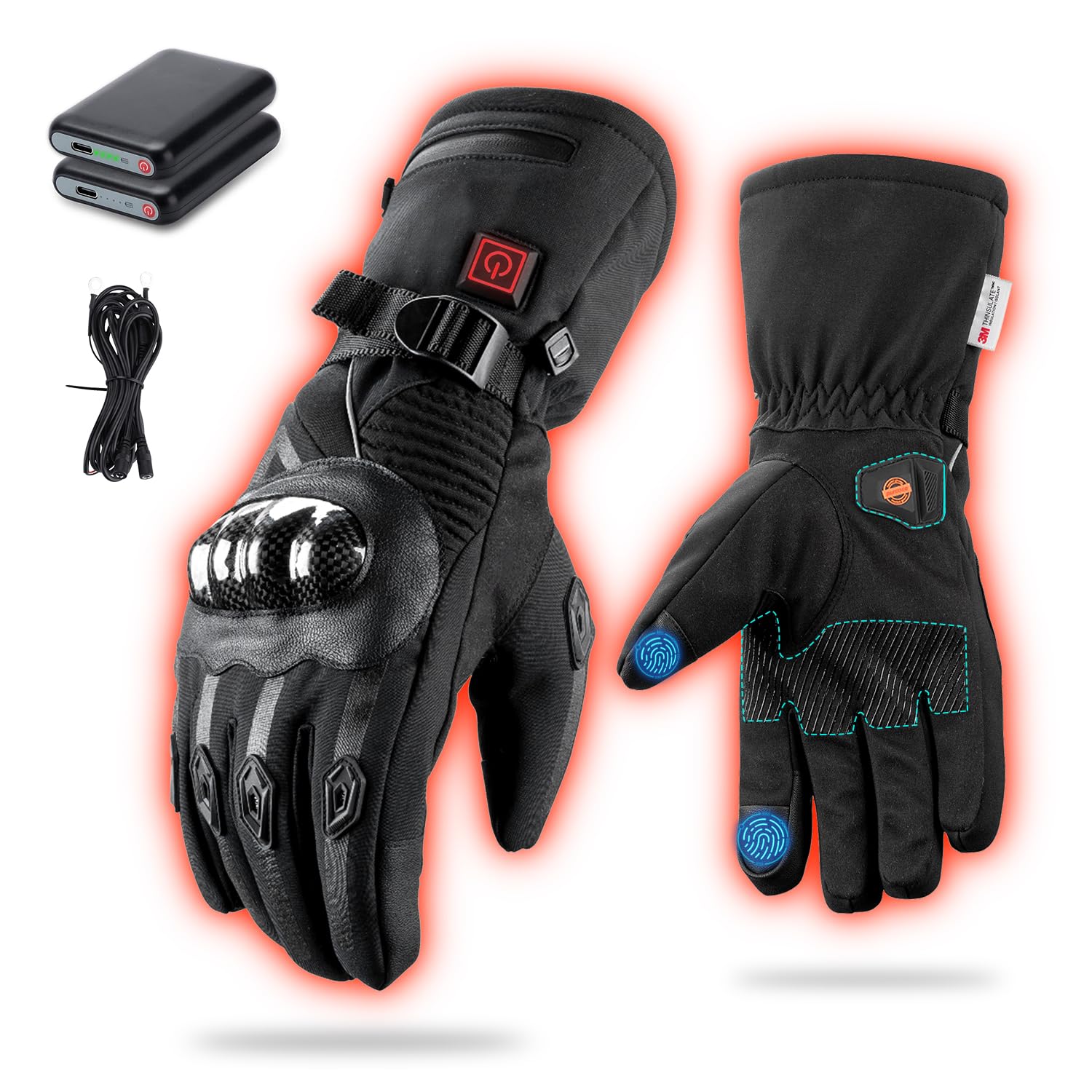
Recommended Product: GUMOCH Heated Motorcycle Gloves
The GUMOCH gloves feature dual power options, three temperature settings, and a carbon‑fiber shell that resists abrasion. With a 4.2‑star rating from 212 reviews, they demonstrate reliable performance for short‑range rides and long‑haul trips when connected to a vehicle’s 12 V outlet. Their waterproof and windproof construction makes them suitable for winter fleet operations.
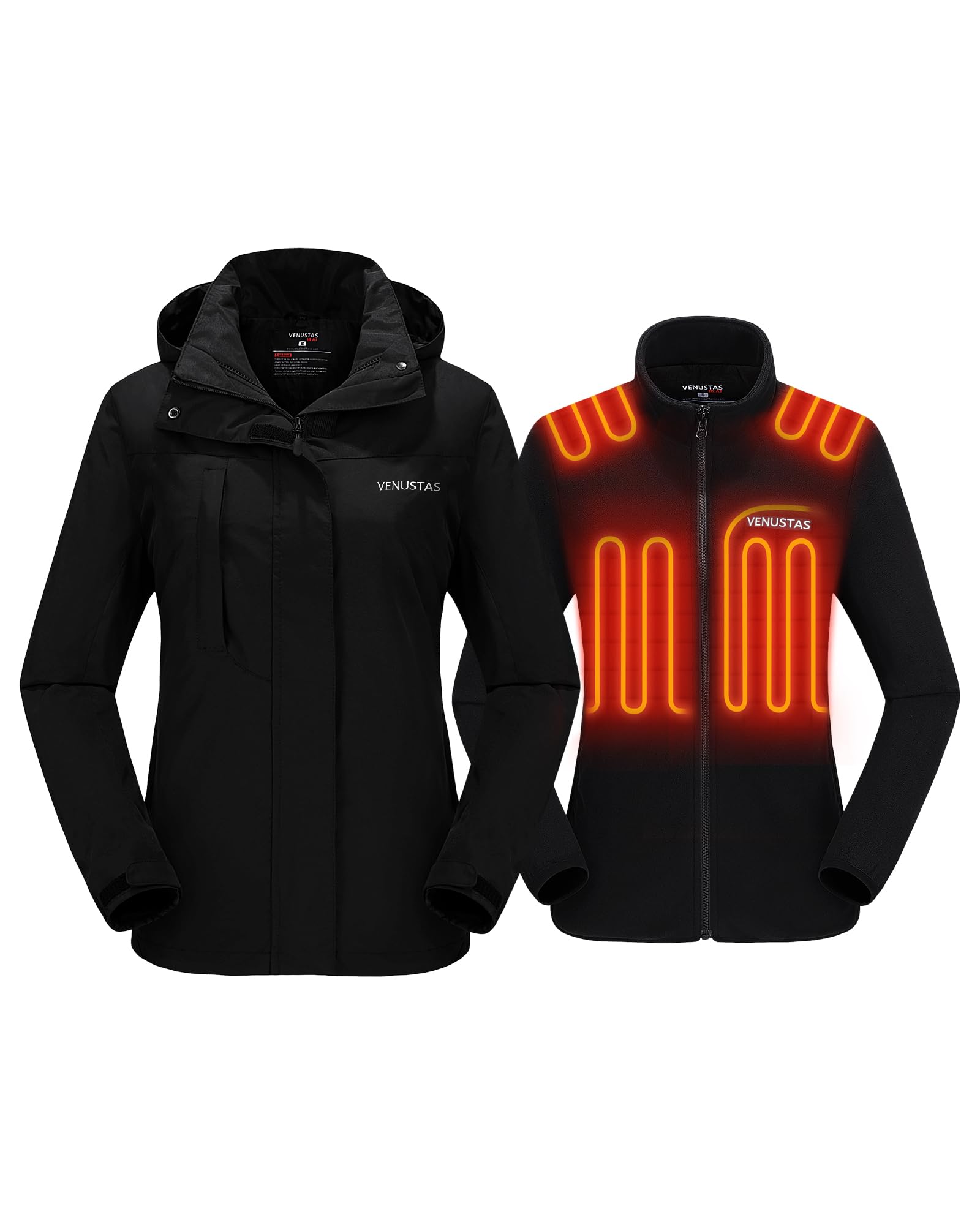
Recommended Product: Venustas Heated Ski Jacket
The Venustas 3‑in‑1 jacket offers a built‑in 7.4 V battery, waterproof shell, and three heating zones, earning a 4.3‑star rating from over 2,300 reviewers. Its versatility allows drivers to wear the outer shell alone or combine it with the insulated liner, providing adaptable protection for varied climates.
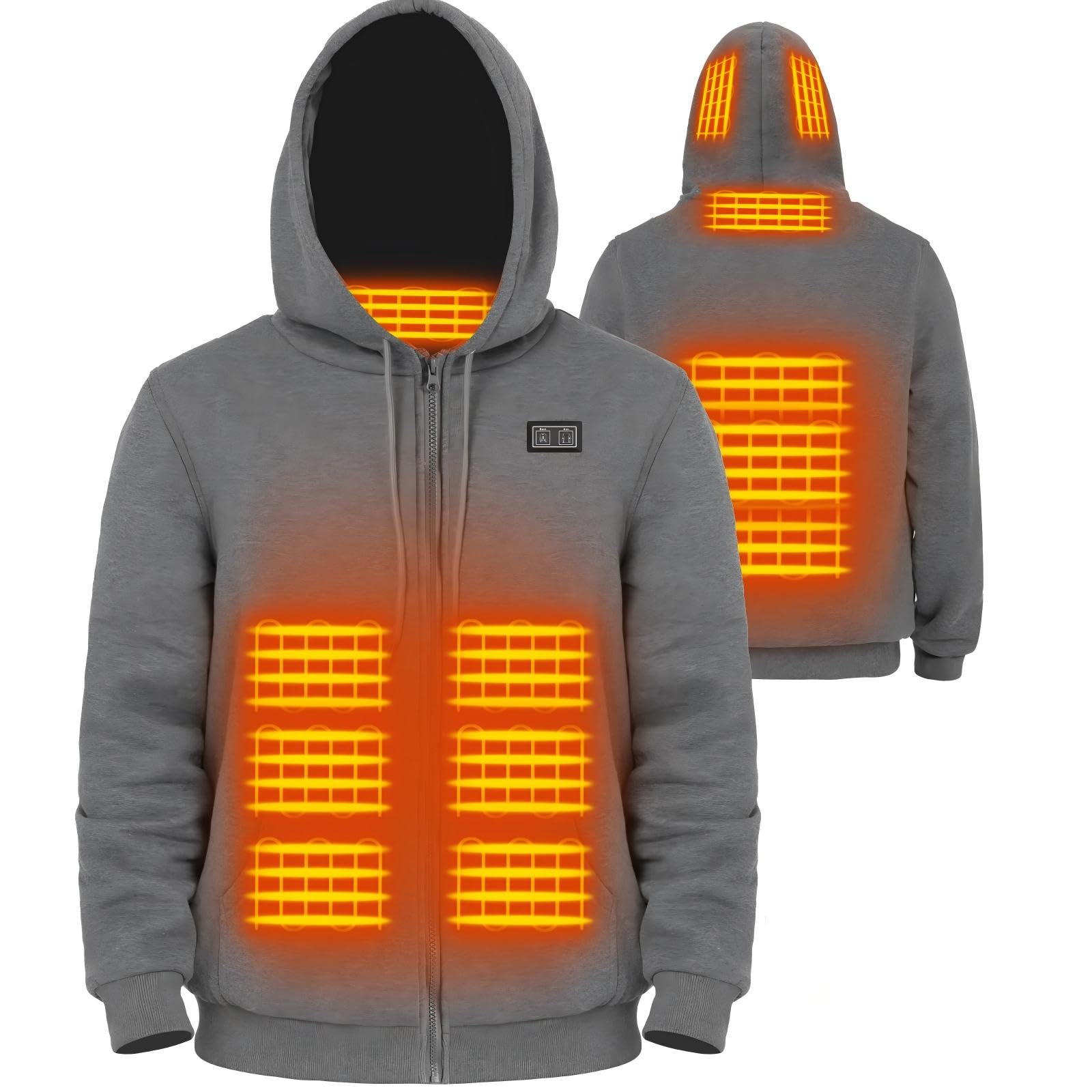
Recommended Product: Qdreclod Heated Hoodie
The Qdreclod hoodie incorporates six heating zones, a high‑capacity 16000 mAh battery, and a detachable hood. With a 4.1‑star rating from 133 reviews, it delivers rapid warmth for drivers who spend extended periods in stationary vehicles or outdoor loading docks.
Maintenance Protocols
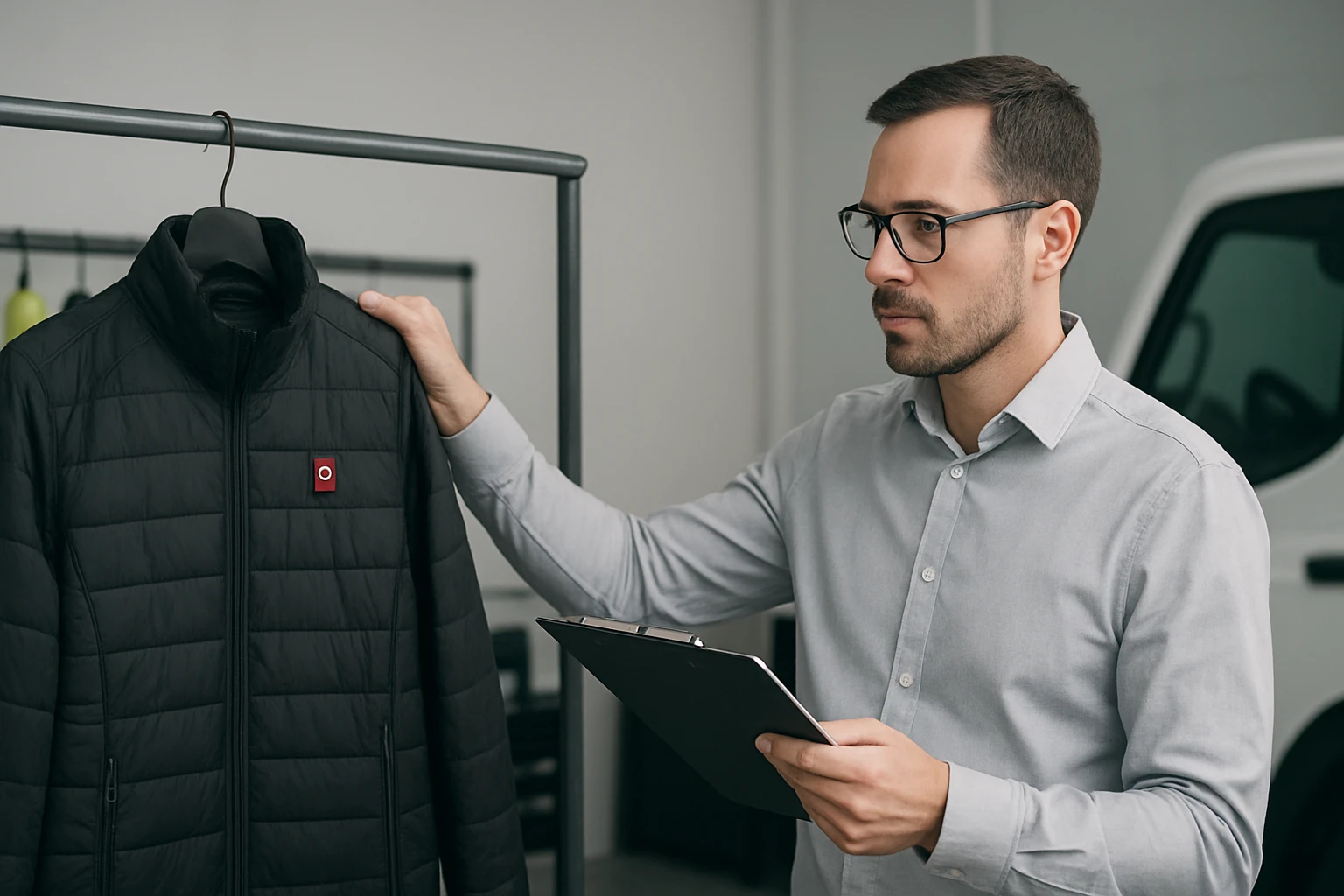
Effective maintenance begins with a documented inspection schedule. The following checklist should be performed weekly, with a deeper review monthly:
- Visual inspection of seams, zippers, and conductive panels for wear or damage.
- Battery voltage check using a calibrated multimeter; replace any cell below 7.0 V.
- Connector cleaning with a non‑abrasive brush to remove dust and corrosion.
- Functional test of each temperature setting for at least 30 seconds.
- Record findings in a digital log, noting serial numbers and service dates.
When a defect is identified, follow the manufacturer’s warranty process. For the GUMOCH gloves, contact the seller via the provided email or Amazon’s “Contact Seller” feature. Prompt replacement of faulty batteries prevents sudden loss of heat during critical routes.
Compliance and Safety Standards
Many transportation authorities classify heated apparel as personal protective equipment (PPE). Consequently, the following standards may apply:
- ISO 13485 for medical‑grade heating elements, ensuring safe temperature regulation.
- UL 2054 for battery safety, covering over‑charge and short‑circuit protection.
- EN 343 for waterproof and windproof performance, relevant to the outer shells of the Venustas jacket and Qdreclod hoodie.
Fleet managers should retain certificates of conformity and include them in audit packets. Regular training sessions on proper donning, battery charging, and emergency shutdown procedures further demonstrate compliance.
Cost Management Strategies
Heated clothing can represent a significant upfront investment, but proper upkeep reduces total cost of ownership. Consider the following approaches:
- Bulk purchasing agreements that include extended warranty periods.
- Implementing a rotation system where each driver uses a set of garments, allowing time for charging and inspection.
- Negotiating service contracts with vendors for battery replacement at reduced rates.
- Tracking energy consumption; a 3000 mAh battery typically draws 2 A at 7.4 V, equating to roughly 15 Wh per hour of operation.
By quantifying these metrics, managers can present a clear ROI to senior leadership, emphasizing reduced sick days and improved driver retention.
Comparison and Selection Guide
| Feature | GUMOCH Heated Motorcycle Gloves | Venustas Heated Ski Jacket | Qdreclod Heated Hoodie |
|---|---|---|---|
| Primary Use | Motorcycle riding, cycling, fishing | Skiing, outdoor work, general fleet wear | General outdoor tasks, loading docks |
| Power Source | 2 × 7.4 V 3000 mAh batteries or 12 V car charger | 7.4 V integrated battery (capacity not disclosed) | 7.4 V 16000 mAh battery |
| Temperature Settings | 3 (140°F, 122°F, 113°F) | 3 (high, medium, low) | 3 (high 55‑65°C, medium 45‑55°C, low 40‑45°C) |
| Waterproof Rating | Waterproof & windproof | Waterproof | Water‑resistant |
| Rating (Stars) | 4.2 (212 reviews) | 4.3 (2,326 reviews) | 4.1 (133 reviews) |
| Price | $62.69 | $179.99 | $49.99 |
When selecting a product, match the operational environment with the garment’s protective features and battery capacity. For high‑speed motorcycle fleets, the GUMOCH gloves provide rapid heat and a detachable power cord. For winter logistics, the Venustas jacket offers comprehensive coverage and a built‑in battery. For mixed indoor/outdoor duties, the Qdreclod hoodie balances long battery life with six heating zones.
Best Practices & Tips
Beyond routine checks, adopt these advanced practices to maximize performance:
- Store batteries at 40‑60 % charge when not in use to prolong cycle life.
- Use dedicated charging stations that limit current to 1 A for 7.4 V packs.
- Apply a silicone‑based sealant to seams that show early water ingress.
- Rotate garments weekly to ensure even wear on conductive panels.
- Integrate maintenance data into the fleet’s telematics platform for automated alerts.
Training drivers on proper charging habits—such as disconnecting the battery before the vehicle is turned off—prevents inadvertent over‑discharge. Encourage feedback loops where drivers report comfort levels, allowing managers to fine‑tune temperature presets.
Frequently Asked Questions
- How often should the batteries be replaced?
- Most lithium‑ion packs retain 80 % capacity after 300–500 charge cycles; replace them when voltage falls below 7.0 V under load.
- Can heated clothing be washed?
- Yes, but only after removing the battery and following the manufacturer’s instructions—typically hand wash in cold water and air dry.
- Do the gloves interfere with vehicle controls?
- No, the GUMOCH gloves feature a carbon‑fiber shell that maintains grip while providing heat, and the touchscreen tips allow device operation without removal.
- Is there a risk of fire with the batteries?
- When used with the supplied charger and inspected regularly for damage, the risk is minimal. Always store away from flammable materials.
- What compliance documents are required for audit?
- Maintain copies of UL 2054 battery certifications, ISO 13485 heating element compliance, and EN 343 waterproof ratings, along with maintenance logs.
Conclusion
Heated clothing offers a strategic advantage for fleets operating in cold climates, but its benefits are realized only through disciplined maintenance, compliance adherence, and cost‑aware procurement. By implementing the checklist, leveraging the product recommendations, and following best‑practice tips, fleet managers can safeguard driver comfort, reduce equipment downtime, and achieve measurable savings.
Products Featured in This Guide
GUMOCH Heated Motorcycle Gloves
Price: $62.69 | Rating: 4.2/5 (212 reviews)
Featured for its dual power options, carbon‑fiber shell, and waterproof construction, making it ideal for motorcycle and mixed‑mode fleet operations.
Venustas Heated Ski Jacket
Price: $179.99 | Rating: 4.3/5 (2,326 reviews)
Featured for its 3‑in‑1 design, integrated battery, and high waterproof rating, providing comprehensive protection for winter logistics crews.
Qdreclod Heated Hoodie
Price: $49.99 | Rating: 4.1/5 (133 reviews)
Featured for its six heating zones, high‑capacity battery, and versatile hood, suitable for diverse outdoor tasks across fleet operations.