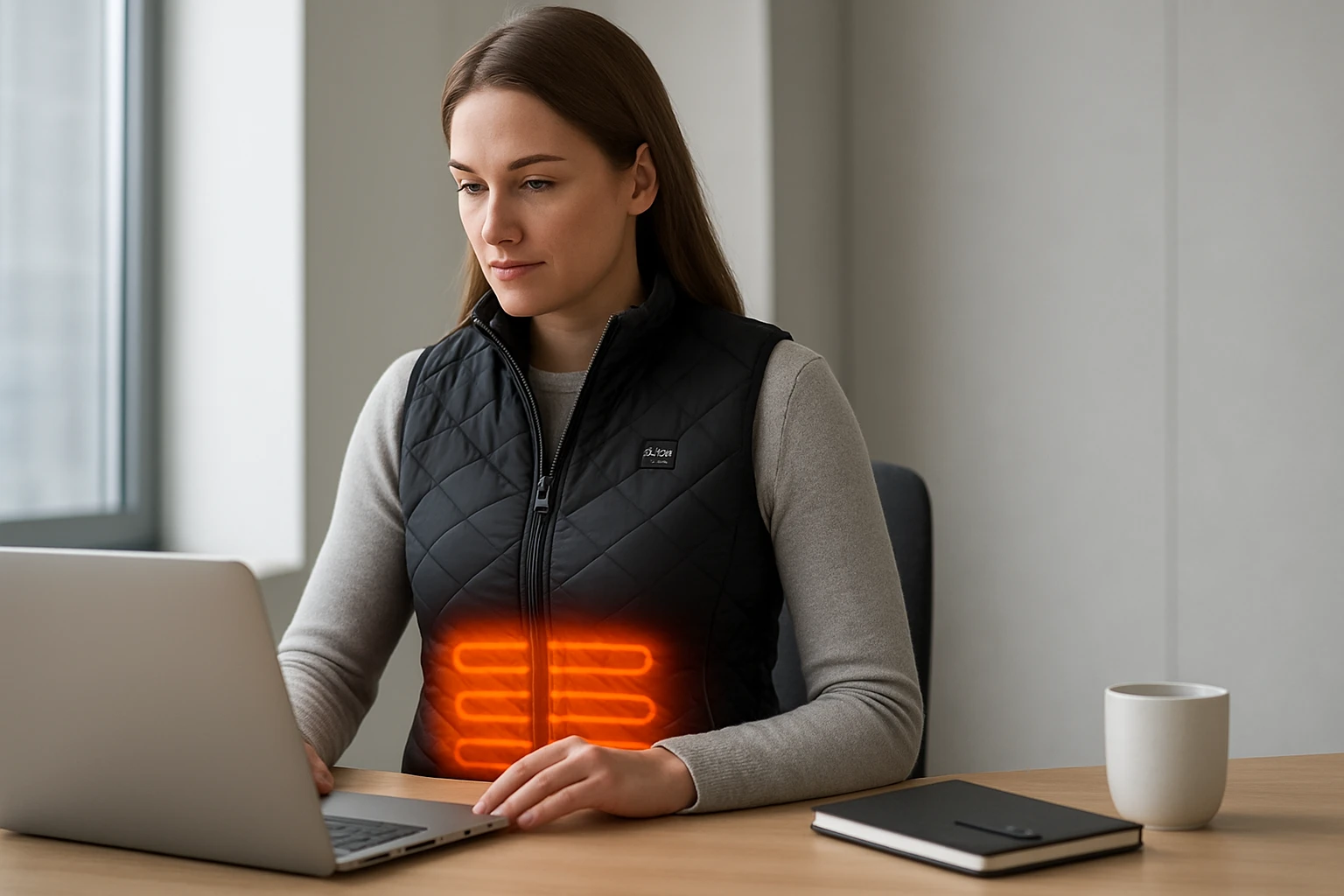
Heated Clothing in Corporate Cold Stress Programs: Step-by-Step Implementation Guide for Workplace Safety and Compliance
Introduction
Employers across many industries face the challenge of protecting workers from cold‑induced injuries, reduced productivity, and regulatory penalties. This guide explains how heated clothing can be incorporated into a comprehensive cold‑stress program, outlines the scientific basis for temperature‑related risk, and provides actionable steps for safe implementation. Readers will learn the legal framework, risk‑assessment methods, product selection criteria, and best‑practice deployment strategies. By the end of this document, safety managers will possess a clear roadmap for integrating heated garments into existing occupational health protocols.
Background and Context
Cold stress occurs when ambient temperatures, wind chill, and moisture combine to lower the body’s core temperature faster than physiological mechanisms can compensate. The Occupational Safety and Health Administration (OSHA) and the Canadian Centre for Occupational Health and Safety (CCOHS) require employers to assess environmental conditions, provide appropriate clothing, and monitor worker exposure. Core temperature below 35 °C (95 °F) can lead to hypothermia, while localized cooling may cause frostbite and reduced manual dexterity. Traditional mitigation relies on layered clothing, insulated break‑areas, and scheduled warm‑up periods, yet these measures often fall short in extreme environments such as outdoor construction sites, refrigerated warehouses, and oil‑field operations.
Advances in battery technology, lightweight insulating fabrics, and low‑voltage heating elements have produced garments that actively generate warmth on demand. Heated clothing maintains skin temperature without the bulk of traditional insulation, thereby preserving range of motion and reducing fatigue. When integrated with a formal cold‑stress program, these garments become a controllable engineering control rather than a discretionary personal protective equipment (PPE) item.
Understanding Cold Stress in the Workplace
Effective risk management begins with a quantitative assessment of environmental exposure. Employers should employ the Wind Chill Index or the Wet‑Bulb Globe Temperature (WBGT) to determine the severity of cold stress. Once a threshold is identified, a hierarchy of controls is applied: engineering controls (heated workspaces), administrative controls (work‑to‑rest ratios), and PPE (heated garments). Documentation of exposure time, clothing insulation values (clo units), and metabolic workload is essential for compliance audits.
Training programs must educate workers on the signs of cold‑related illness, proper layering techniques, and the safe operation of heated garments. Employees should understand how to inspect battery packs, avoid moisture ingress, and recognize when a garment requires charging or replacement. Regular drills and refresher courses reinforce these concepts and reduce the likelihood of accidents.
Integrating Heated Clothing into Cold Stress Programs
When selecting heated garments, safety managers should prioritize products that meet industry standards for electrical safety, durability, and battery performance. The garments must be certified to operate at low voltages (typically 5 V or 12 V) and include automatic shut‑off features to prevent overheating. Integration steps include pilot testing, policy development, inventory management, and ongoing performance monitoring.
Step‑by‑step implementation begins with a pilot phase involving a representative sample of workers. During this phase, collect feedback on comfort, heat distribution, battery life, and ease of use. Adjust policies based on real‑world data before scaling up to the entire workforce. Documentation of the pilot results supports regulatory compliance and demonstrates due diligence.
Product Recommendations for Corporate Use
Below are four heated garments that have demonstrated strong performance in consumer reviews and possess specifications suitable for occupational environments.
- ORORO Heated Puffer Vest – A lightweight puffer style equipped with a USB‑C rechargeable battery delivering up to 10 hours of low‑heat operation. The vest features three heat settings, heavy‑duty zippers, and insulated pockets for hand warming. It holds a 4.5‑star rating from over 10,000 reviews, indicating high user satisfaction.
- ORORO Heated Fleece Vest – This fleece‑lined vest incorporates a heated collar and discreet battery pack. Users report rapid heat activation and a comfortable fit that does not impede movement. It carries a 4.4‑star rating from more than 2,000 reviewers.
- WEERTI Thermal Underwear Set – While not a heated garment, this base‑layer set provides essential insulation that enhances the effectiveness of heated outerwear. The set includes a long‑john top and bottom, both fleece‑lined, and is praised for softness and warmth. It enjoys a 4.5‑star rating from over 12,000 customers.
- GEGATE Adjustable Heated Vest – An economical option featuring a 20,000 mAh battery and three heat settings. Although its rating is modest at 3.8 stars, the low price point makes it suitable for large‑scale deployment where budget constraints exist.
Each product listed above includes specific features that align with corporate safety goals: reliable battery life, multiple heat settings, and construction that tolerates frequent laundering. When choosing a garment, consider the work environment, required duration of exposure, and the need for additional insulated layers.
Comparison and Selection Guide
| Feature | ORORO Heated Puffer Vest | ORORO Heated Fleece Vest | WEERTI Thermal Underwear Set | GEGATE Adjustable Heated Vest |
|---|---|---|---|---|
| Price | $119.99 | $99.99 | $19.99 | $28.49 |
| Heat Settings | Three (low, medium, high) | Three (low, medium, high) | N/A (passive insulation) | Three (low, medium, high) |
| Battery Life (Low) | ~10 hours | Long, exact hours not disclosed | N/A | Not specified |
| Weight | Moderate, battery pack is bulkier on hip | Lightweight, battery unobtrusive | Very lightweight due to vacuum packing | Lightweight, budget‑friendly |
| User Rating | 4.5/5 (10,486 reviews) | 4.4/5 (2,106 reviews) | 4.5/5 (12,816 reviews) | 3.8/5 (141 reviews) |
Decision‑makers should match product attributes to operational requirements. For high‑exposure outdoor tasks that demand extended heat, the ORORO Heated Puffer Vest offers the longest documented low‑heat runtime. For indoor or moderate‑exposure scenarios where bulk is a concern, the ORORO Heated Fleece Vest provides a slimmer profile. The WEERTI Thermal Underwear Set is ideal as a base layer that enhances overall warmth without electrical components. The GEGATE Adjustable Heated Vest serves as a cost‑effective solution for large workforces when budget constraints outweigh premium features.
Best Practices & Implementation Tips
- Develop a Written Policy: Outline eligibility criteria, charging protocols, maintenance schedules, and replacement timelines. Include reference to OSHA cold‑stress guidelines.
- Standardize Charging Stations: Install dedicated charging docks in break rooms and vehicle bays to ensure batteries are fully charged before each shift.
- Conduct Pre‑Shift Inspections: Require workers to verify battery charge level, inspect seams for damage, and confirm that heating controls function correctly.
- Provide Training on Safe Use: Emphasize that heating elements are low‑voltage, but improper handling of water or damaged cords can create hazards.
- Document Exposure Hours: Use a simple log to record time spent in cold environments, garment heat setting used, and any incidents of discomfort.
- Plan for Redundancy: Keep spare battery packs on hand for each vest model to prevent downtime if a battery fails during a shift.
- Integrate with PPE Audits: Include heated garments in routine PPE inspections to ensure compliance with company safety standards.
Employers should also consider environmental sustainability by recycling old battery packs according to manufacturer guidelines. Periodic performance testing can identify degradation in heating efficiency, prompting timely replacement before safety is compromised.
Frequently Asked Questions
1. Are heated garments considered personal protective equipment?
Yes, when they are used to mitigate cold‑stress hazards they are classified as PPE and must meet the same inspection and maintenance standards as other protective equipment.
2. How long does it take to fully charge the batteries?
Charging times vary by model; the ORORO Heated Puffer Vest typically requires 6‑8 hours for a full charge, while the ORORO Heated Fleece Vest may take a similar period. Users should charge batteries overnight to guarantee readiness.
3. Can heated clothing be washed?
Most manufacturers provide detailed washing instructions that involve removing the battery pack and using a gentle cycle with cold water. The ORORO vests include removable battery compartments that allow safe laundering.
4. What safety certifications should I look for?
Look for UL or CE certification indicating compliance with electrical safety standards. Additionally, garments should be rated for water resistance to prevent short circuits in damp conditions.
5. How do I determine the appropriate heat setting for a given task?
Begin with the low setting for mild cold and increase to medium or high only when wind chill or prolonged exposure exceeds 10 °C (50 °F) below skin temperature. Workers should monitor comfort levels and avoid excessive heat that may cause sweating and subsequent cooling.
6. Are there tax incentives for investing in heated PPE?
In some jurisdictions, expenditures on safety equipment qualify for tax credits or deductions. Consult local tax regulations and occupational safety agencies for specific programs.
Conclusion
Integrating heated clothing into corporate cold‑stress programs provides a proactive engineering control that enhances worker safety, improves productivity, and supports regulatory compliance. By following the step‑by‑step implementation framework, selecting appropriate garments, and adhering to best‑practice maintenance, organizations can mitigate the risks associated with low‑temperature work environments. The combination of scientific risk assessment, clear policy, and reliable heated apparel creates a resilient safety culture that protects employees and reduces operational disruptions.
Products Featured in This Guide
ORORO Heated Puffer Vest
Price: $119.99 | Rating: 4.5/5 (10,486 reviews)
Featured for its long battery life, three heat settings, and durable construction suitable for outdoor workers.
ORORO Heated Fleece Vest
Price: $99.99 | Rating: 4.4/5 (2,106 reviews)
Featured for its slim profile, heated collar, and comfortable fleece interior that works well under uniforms.
WEERTI Thermal Underwear Set
Price: $19.99 | Rating: 4.5/5 (12,816 reviews)
Featured as a high‑value base layer that enhances the effectiveness of heated outer garments.
GEGATE Adjustable Heated Vest
Price: $28.49 | Rating: 3.8/5 (141 reviews)
Featured for its affordability and inclusion of a high‑capacity 20,000 mAh battery, making it suitable for large‑scale deployments.