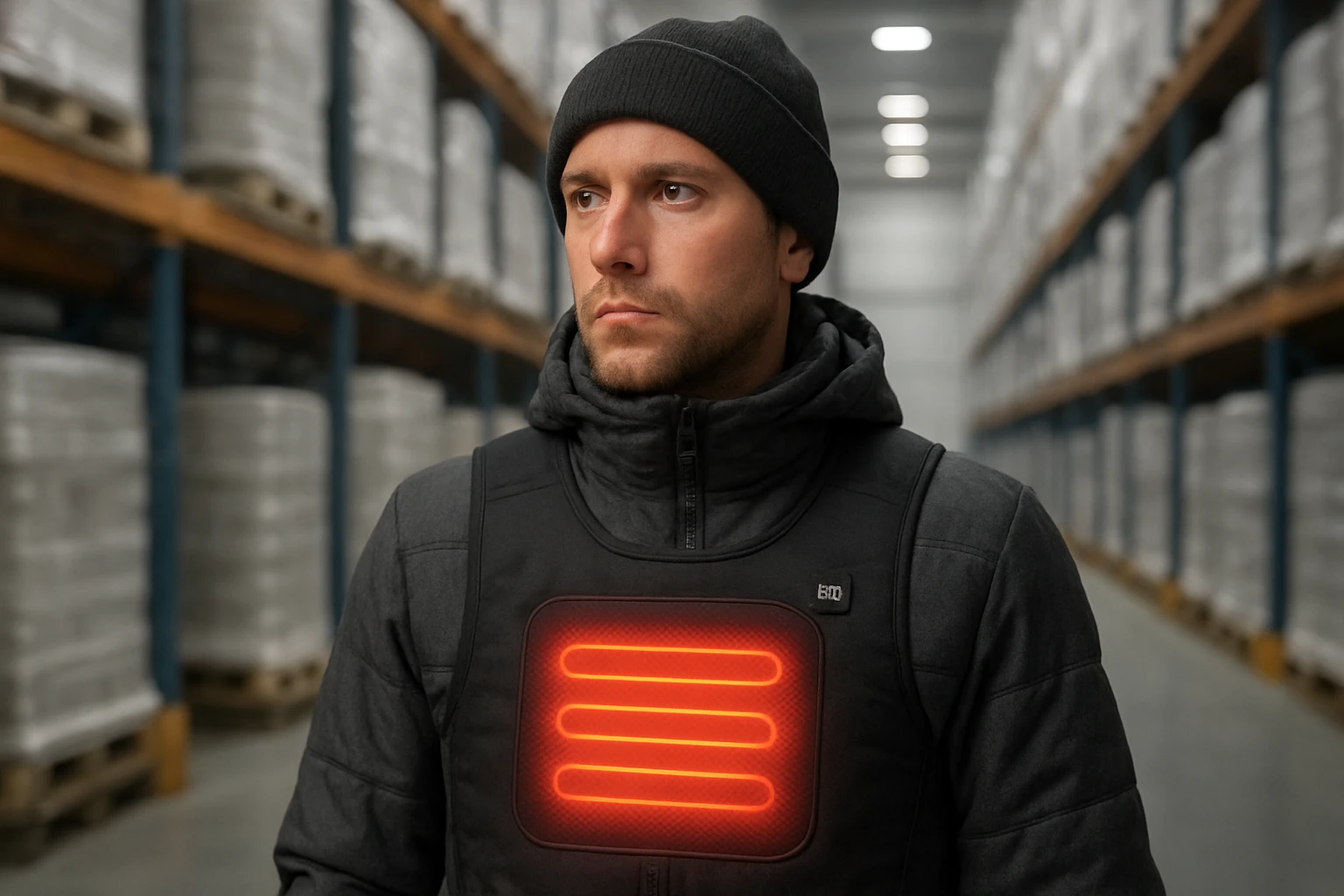
Heated Clothing for Cold Storage Workers: The Ultimate Guide to Staying Warm, Safe & Productive
Introduction
Cold storage facilities present a unique set of challenges for employees who must remain productive while exposed to sub‑zero temperatures. This guide explains the physiological impact of prolonged cold exposure, outlines the technology behind heated apparel, and presents actionable recommendations for selecting and using the most effective garments. Readers will learn how to evaluate product specifications, integrate heated clothing into safety protocols, and maintain equipment for long‑term reliability.
By the end of this article, cold‑storage workers, supervisors and occupational‑health professionals will possess a clear roadmap for keeping personnel comfortable without compromising operational efficiency.
Background and Context
Human thermoregulation relies on a balance between heat production and heat loss. In environments below 0 °C, heat loss through convection, conduction and radiation can exceed metabolic heat generation, leading to decreased dexterity, reduced concentration and an increased risk of cold‑related injuries such as frostbite and hypothermia.
Traditional mitigation strategies include layered clothing, insulated workstations and scheduled warm‑up breaks. However, these measures can be cumbersome and may limit mobility. Heated clothing integrates flexible electric heating elements powered by rechargeable batteries, delivering targeted warmth directly to critical body zones while preserving freedom of movement.
Advances in battery technology, low‑profile heating fibers and waterproof enclosures have made heated garments suitable for demanding industrial settings. The following sections explore how these innovations translate into practical benefits for cold‑storage personnel.
Understanding Heated Clothing Technology
Heated garments typically consist of three core components: a power source (usually a lithium‑ion battery pack), heating elements (carbon‑fiber or metallic threads), and a control system that regulates temperature levels. The heating zones are strategically placed to warm the torso, back, hands or feet, which are the most vulnerable to cold stress.
Temperature settings often range from low (approximately 30 °C) to high (up to 55 °C). Some devices incorporate an automatic mode that maintains a constant temperature regardless of ambient conditions, thereby preventing the gradual cooling that can occur with static heating.
Battery capacity, expressed in milliamp‑hours (mAh), determines how long a garment can operate before recharging. For example, a 16000 mAh power bank can sustain multiple heating zones for up to eight hours, while a 5000 mAh pack may provide seven hours of continuous heat for gloves.
Choosing the Right Heated Hoodie for Cold Storage
For workers who spend extended periods standing or walking in refrigerated aisles, a heated hoodie offers comprehensive torso coverage while allowing easy layering. The DR.PREPARE Heated Hoodie combines an ultra‑thick plush exterior with nine independent heat zones and a substantial 16000 mAh power bank.
- Four front zones and three back zones provide balanced warmth for the chest, shoulders and lower back.
- Eight‑hour maximum heating duration ensures coverage for a typical twelve‑hour shift when used intermittently.
- Rating of 4.5 stars from 111 reviews indicates strong overall satisfaction, with particular praise for durability and even heat distribution.
- Price of $69.99 positions the hoodie as an affordable investment for organizations seeking to reduce cold‑related productivity losses.
When evaluating hoodies, consider the following criteria:
- Number of heating zones and their placement relative to high‑risk body parts.
- Battery capacity versus expected shift length.
- Ease of cleaning, as industrial garments often require frequent laundering.
- Safety certifications such as UL or CE for electrical components.
Potential drawbacks include the need for a dedicated drying period after washing, as noted by several users. Selecting a model with removable battery packs can mitigate downtime by allowing a spare battery to be swapped during a shift.
Choosing Heated Gloves for Manual Tasks
Cold‑storage workers frequently handle palletized goods, operate machinery and perform inventory counts, all of which require manual dexterity. The Nencoo Heated Winter Gloves provide four temperature settings, a 5000 mAh battery and touchscreen‑compatible fingertips.
- Carbon‑fiber heating elements cover the back of the hand and each finger, promoting blood circulation and reducing stiffness.
- Battery life of up to seven hours is sufficient for most standard shifts when using medium or low settings.
- Touchscreen capability eliminates the need to remove gloves for device operation, preserving warmth.
- Rating of 4.2 stars from 108 reviews reflects generally positive sentiment, though a minority of customers reported missing batteries.
Key selection factors for heated gloves include:
- Battery accessibility and the ability to replace or charge the pack without removing the gloves.
- Waterproof construction to protect against condensation in refrigerated environments.
- Grip surface on the palm to maintain control of tools and packages.
- Size and fit, ensuring that the gloves are neither too tight (which can impede circulation) nor too loose (which reduces heating efficiency).
For workers who must frequently handle small components, the gloves' conductive thumb and index finger allow seamless interaction with smartphones, barcode scanners and touch‑screen terminals.
Comparison and Selection Guide
| Feature | DR.PREPARE Heated Hoodie | Nencoo Heated Winter Gloves |
|---|---|---|
| Primary Warmth Zones | 9 zones (torso, back, sleeves) | 4 zones (back of hand, fingers) |
| Battery Capacity | 16000 mAh | 5000 mAh |
| Maximum Heating Time | 8 hours (all zones high) | 7 hours (all zones high) |
| Temperature Settings | Multiple levels per zone | Auto, High, Medium, Low |
| Water Resistance | Water‑repellent fabric | Waterproof exterior |
| Price | $69.99 | $39.99 |
| Average Rating | 4.5/5 (111 reviews) | 4.2/5 (108 reviews) |
When selecting equipment, supervisors should match the product to the specific job function. Workers who remain stationary near loading docks benefit most from a heated hoodie, whereas those who perform fine‑motor tasks should prioritize heated gloves with reliable touchscreen capability.
Best Practices & Tips for Using Heated Clothing
- Charge batteries fully overnight to ensure maximum runtime at the start of a shift.
- Use the low or medium setting for extended periods; reserve high settings for brief periods of extreme cold.
- Follow manufacturer washing instructions: place garments in a protective laundry bag, select a delicate cycle, and air‑dry in a well‑ventilated area.
- Inspect battery connections weekly for signs of corrosion or wear; replace batteries according to the supplier’s recommended lifespan.
- Integrate heated clothing into the broader personal‑protective‑equipment (PPE) program, documenting usage in safety briefings.
Employers can further enhance comfort by providing spare batteries, establishing charging stations in break rooms, and scheduling short warm‑up breaks to prevent over‑reliance on electrical heating.
Frequently Asked Questions
- How long does a heated hoodie last on a full charge? The DR.PREPARE Heated Hoodie can provide up to eight hours of continuous heat when all nine zones are set to high. Using fewer zones or lower settings extends runtime proportionally.
- Are heated gloves safe to use near metal equipment? Yes, the heating elements are low‑voltage and insulated. However, users should avoid submerging the gloves in water and should disconnect the battery before cleaning.
- Can the batteries be replaced? Both products feature removable battery packs. Purchasing a spare pack allows workers to swap batteries without interrupting their shift.
- Do heated garments affect workplace fire safety? Reputable manufacturers certify their products to meet UL or CE standards, which include fire‑resistance testing. Always verify compliance before deployment.
- What is the recommended cleaning method? Place the garment in a mesh laundry bag, use a gentle cycle with cold water, and air‑dry. Avoid tumble drying, as high heat can damage the battery and heating elements.
- Do these products help with medical conditions such as Raynaud's? The targeted warmth can improve peripheral blood flow, offering symptomatic relief for individuals with Raynaud's disease, arthritis or poor circulation.
Conclusion
Heated clothing represents a practical solution for mitigating the adverse effects of cold storage environments on worker health and productivity. By understanding the technology, evaluating key specifications and following best‑practice maintenance procedures, employers can equip their staff with reliable warmth without sacrificing safety.
Investing in products such as the DR.PREPARE Heated Hoodie and Nencoo Heated Winter Gloves, combined with a structured PPE program, creates a resilient workforce capable of maintaining high performance even in the most frigid conditions.
Products Featured in This Guide
DR.PREPARE Heated Hoodie
Price: $69.99
Rating: 4.5/5 (111 reviews)
Featured because it provides extensive torso coverage, a high‑capacity 16000 mAh battery and nine heat zones, making it ideal for workers who spend long periods in refrigerated aisles.
Nencoo Heated Winter Gloves
Price: $39.99
Rating: 4.2/5 (108 reviews)
Featured because they deliver precise hand warmth, touchscreen functionality and a waterproof design, essential for manual tasks that require dexterity in cold storage settings.