Employer Liability for Battery‑Heated Clothing: A Practical Guide to Legal Obligations, Risk Management, and Workplace Safety
Introduction
This guide examines the legal responsibilities that employers bear when employees wear battery‑heated clothing on the job. Readers will learn how occupational safety statutes intersect with emerging wearable technology, how to assess and mitigate associated hazards, and which protective products can enhance compliance. By the end of the article, one will possess a clear framework for developing policies, conducting risk assessments, and documenting safety measures.
The discussion is organized into background context, detailed legal analysis, product recommendations, a comparison guide, best‑practice tips, and a concise FAQ. The structure enables both legal professionals and safety managers to locate relevant information quickly.
Background and Context
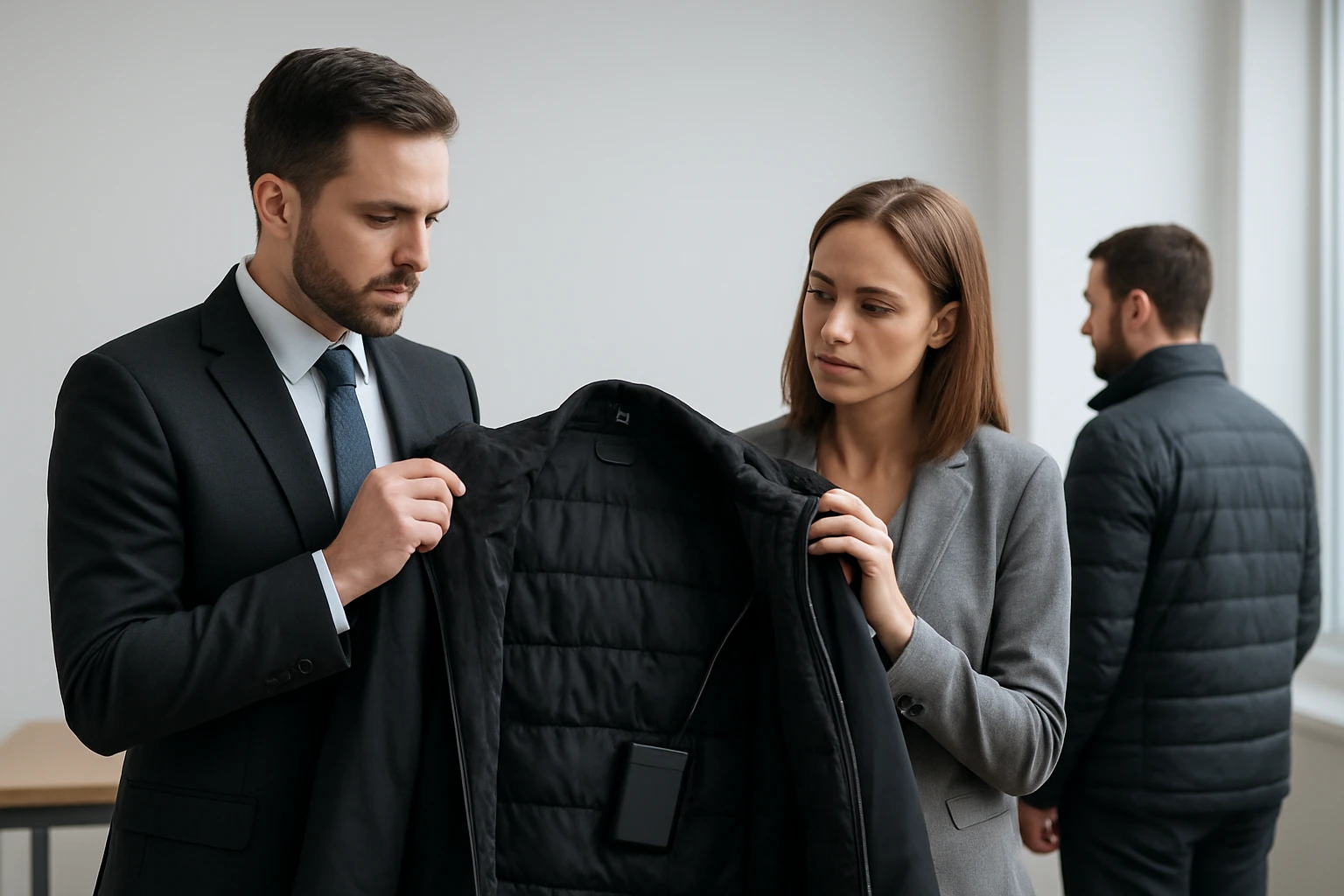
Battery‑heated garments, such as heated vests, jackets, and gloves, have become popular in industries where workers face cold environments. These garments contain lithium‑ion batteries, heating elements, and electronic controls that generate warmth on demand. While they improve comfort, they also introduce electrical, fire, and ergonomic risks that fall under existing occupational safety regulations.
In the United States, the Occupational Safety and Health Administration (OSHA) enforces standards that require employers to provide a workplace free from recognized hazards. The General Duty Clause, 29 CFR 1910.22, obligates employers to address any condition that could cause serious injury or death, even if a specific standard does not exist. Similar principles apply in the United Kingdom under the Health and Safety at Work etc. Act 1974.
Because battery‑heated clothing is relatively new, courts have begun to interpret how traditional safety doctrines apply. Recent cases have emphasized the importance of conducting a thorough hazard analysis, providing appropriate personal protective equipment (PPE), and ensuring that employees receive training on safe use.
Legal Obligations for Employers
Employers must first determine whether battery‑heated apparel qualifies as PPE under OSHA definitions. If the garment is intended to protect the worker from a specific hazard—such as cold stress—it is considered PPE and must meet applicable performance standards. Although OSHA does not have a dedicated standard for heated clothing, the agency expects compliance with the general PPE requirements of 29 CFR 1910.132.
Key legal steps include:
- Conducting a documented hazard assessment that evaluates thermal, electrical, and fire risks.
- Verifying that the heated garments are certified by recognized testing bodies (e.g., UL, CE) and that batteries meet safety standards.
- Developing a written PPE program that outlines selection criteria, inspection procedures, and maintenance schedules.
- Providing training that covers proper charging, safe operation, emergency shutdown, and reporting of defects.
- Maintaining records of inspections, training attendance, and incident reports for at least five years.
Failure to fulfill these obligations can result in citations, fines, and liability for injuries that arise from defective or improperly used heated clothing.
Risk Management Strategies
Effective risk management integrates engineering controls, administrative policies, and appropriate PPE. Employers should prioritize engineering solutions such as insulated workstations, heated break rooms, or localized heating elements before relying on personal garments.
When personal heated apparel is necessary, the following strategies reduce exposure to hazards:
- Battery Management: Implement charging stations that are fire‑rated, enforce charging only in designated areas, and prohibit overnight charging on site.
- Temperature Monitoring: Select garments with automatic shut‑off features that prevent overheating. Devices that display real‑time temperature help workers avoid burns.
- Regular Inspection: Establish a schedule for inspecting battery integrity, heating elements, and wiring for signs of wear, corrosion, or swelling.
- Compatibility Checks: Ensure that the heated clothing does not interfere with other safety equipment, such as fire‑resistant suits or high‑visibility vests.
Employers should also develop an incident response plan that includes fire extinguishment procedures, first‑aid measures for burns, and reporting protocols.
Product Recommendations
When selecting heated apparel for the workplace, it is essential to choose products that combine reliable heating performance with robust safety certifications. Two products that meet these criteria are highlighted below.
Heated Vest
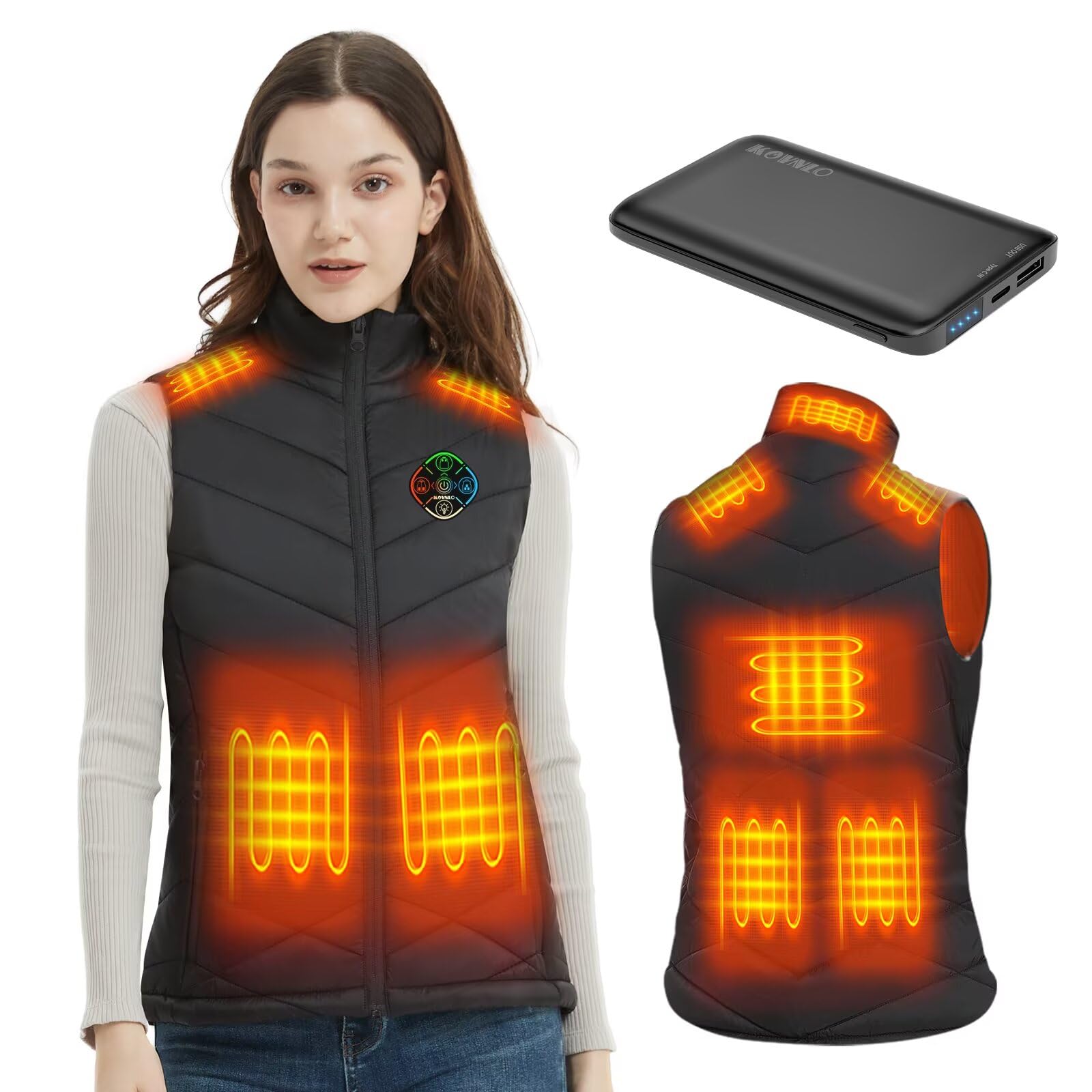
The KOVNLO Heated Vest offers a lightweight, battery‑powered heating solution designed for women but suitable for any worker who requires torso warmth. The vest includes a built‑in battery pack, a smart button with a light‑out design, and multiple heating zones that can be adjusted to personal comfort levels. With a price of $59.99 and a rating of 4.5 stars from 1,043 reviews, the vest demonstrates strong consumer satisfaction.
Key safety features include:
- UL‑certified battery pack that prevents overcharging and short circuits.
- Automatic shut‑off after a set duration to reduce fire risk.
- Soft, breathable fabric that does not compromise other PPE such as high‑visibility vests.
This vest is appropriate for outdoor construction crews, warehouse staff, and utility workers who must remain mobile while staying warm.
Heat‑Resistant Gloves
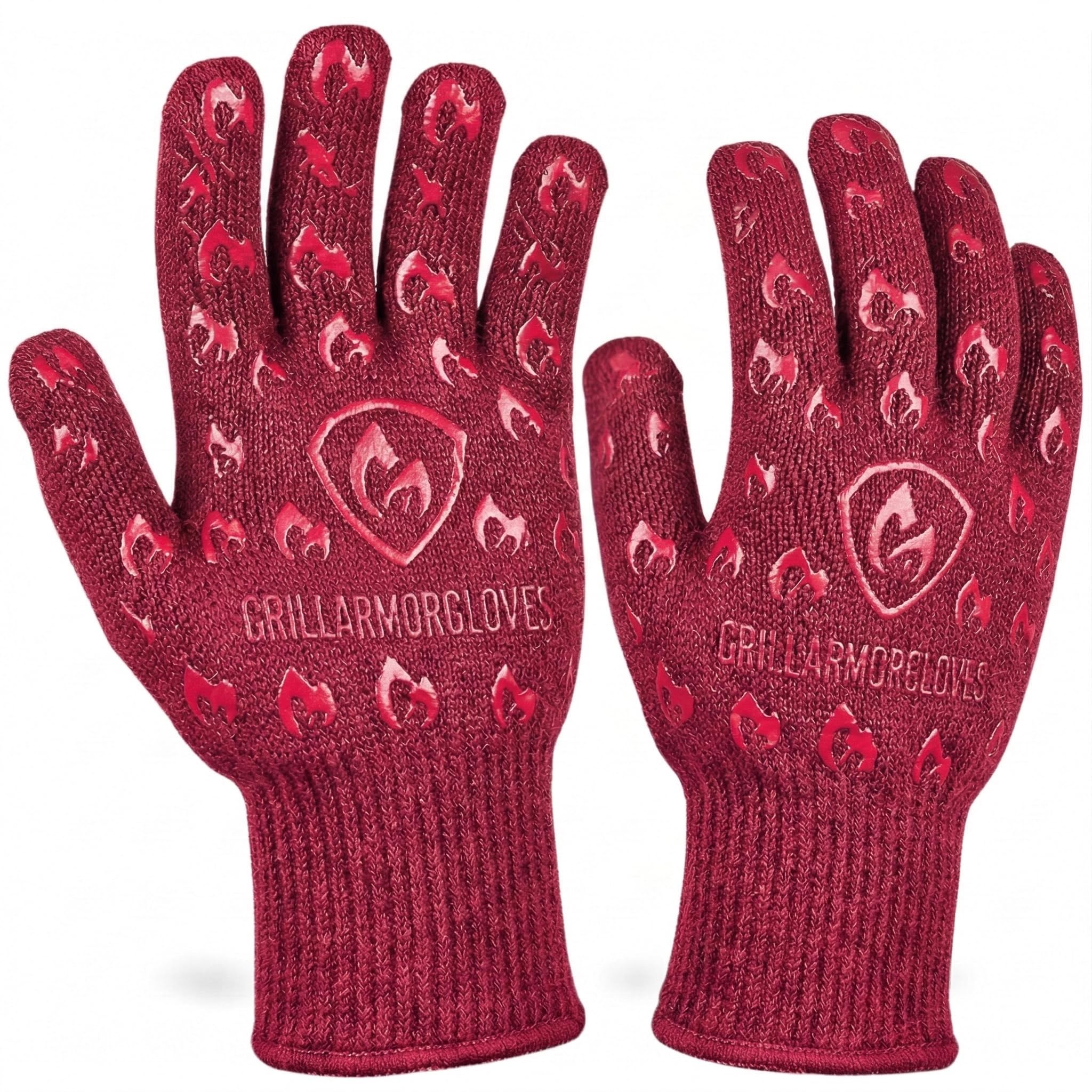
The Grill Armor Oven Gloves provide extreme heat resistance up to 932°F and EN388 level 5 cut resistance, making them suitable for tasks that involve hot equipment or sharp tools. Priced at $29.95 and rated 4.5 stars from 7,802 reviews, these gloves combine fire‑proof material with superior cut protection.
Relevant attributes for workplace safety include:
- EN407 certification confirming resistance to high temperatures.
- EN388 level 5 cut resistance, which is four times stronger than traditional leather gloves.
- Flexible construction that allows dexterity while handling tools, reducing the likelihood of accidental cuts.
Although marketed for culinary use, the gloves are valuable for workers who handle hot machinery, welding torches, or heated metal components.
Comparison and Selection Guide
Choosing the right heated apparel depends on the specific hazards of the work environment, the duration of exposure, and compatibility with existing safety gear. The table below compares the two featured products against common selection criteria.
| Criteria | KOVNLO Heated Vest | Grill Armor Oven Gloves |
|---|---|---|
| Primary Protection | Thermal comfort for torso | Heat and cut resistance for hands |
| Maximum Temperature | Designed for ambient cold; does not exceed safe skin temperature | 932°F (500°C) resistance |
| Battery Safety | UL‑certified, automatic shut‑off | Non‑battery; passive heat barrier |
| Fit and Comfort | Adjustable straps, lightweight fabric | Flexible fibers, ergonomic cuff |
| Price | $59.99 | $29.95 |
| Customer Rating | 4.5/5 (1,043 reviews) | 4.5/5 (7,802 reviews) |
Employers should prioritize the heated vest for workers who require prolonged exposure to cold temperatures, while the oven gloves are best suited for tasks involving high heat or sharp objects. In many cases, both items can be used together to provide comprehensive protection.
Best Practices and Practical Tips
Beyond product selection, employers must embed safety into daily operations. The following best practices are recommended:
- Integrate Heated Apparel into the PPE Program: Treat heated garments as mandatory PPE where applicable, and include them in inventory tracking systems.
- Establish Charging Protocols: Use fire‑rated charging stations, label batteries with charge limits, and prohibit charging near flammable materials.
- Conduct Pre‑Shift Inspections: Require workers to verify battery charge level, heating element integrity, and absence of visible damage before each shift.
- Provide Clear Signage: Post warnings near charging areas and display instructions for emergency shutdown procedures.
- Document All Incidents: Record any overheating, battery swelling, or burns, and perform root‑cause analysis to prevent recurrence.
- Review and Update Policies Annually: Align policies with evolving standards, manufacturer updates, and lessons learned from incident reports.
Implementing these measures demonstrates a proactive approach to safety and reduces the likelihood of regulatory citations.
Frequently Asked Questions
- Are battery‑heated vests considered PPE under OSHA? Yes, when the vest is used to protect against a recognized hazard such as cold stress, it falls under the PPE definition and must meet the general PPE requirements.
- What certifications should an employer look for? Look for UL, CE, EN407 (heat resistance), and EN388 (cut resistance) markings, which indicate that the product has undergone independent safety testing.
- Can heated clothing be used in environments with open flames? Generally, heated garments are not suitable for direct exposure to open flames unless the manufacturer explicitly states flame‑resistant ratings. In such settings, fire‑resistant PPE should be prioritized.
- How often should batteries be inspected? Batteries should be inspected before each shift and undergo a comprehensive evaluation at least quarterly. Any sign of swelling, leakage, or discoloration requires immediate removal from service.
- What liability does an employer face if a heated vest malfunctions? The employer may be held liable for negligence if it failed to conduct a hazard assessment, provide training, or maintain the equipment according to recognized standards.
- Do the recommended products have warranty coverage? Both the KOVNLO Heated Vest and Grill Armor Oven Gloves typically include manufacturer warranties; however, employers should verify warranty terms at the time of purchase.
- Is it permissible to allow employees to use personal heated garments? Personal devices may be permitted if they meet the same safety standards as employer‑provided PPE and if the employer documents the approval process.
Conclusion
Employer liability for battery‑heated clothing hinges on diligent risk assessment, adherence to PPE regulations, and the implementation of robust safety protocols. By selecting certified products such as the KOVNLO Heated Vest and the Grill Armor Oven Gloves, organizations can mitigate thermal and electrical hazards while enhancing worker comfort. Continuous training, proper battery management, and thorough documentation are essential components of a defensible safety program.
Employers who integrate these strategies will not only comply with legal obligations but also foster a culture of safety that reduces injuries, improves productivity, and protects the bottom line.
Products Featured in This Guide
KOVNLO Heated Vest
Price: $59.99
Rating: 4.5/5 (1,043 reviews)
Featured because it provides reliable, UL‑certified heating for the torso, includes an automatic shut‑off, and integrates seamlessly with existing PPE.
Grill Armor Oven Gloves
Price: $29.95
Rating: 4.5/5 (7,802 reviews)
Featured because they offer EN407 heat resistance up to 932°F and EN388 level 5 cut protection, making them ideal for handling hot tools and materials.