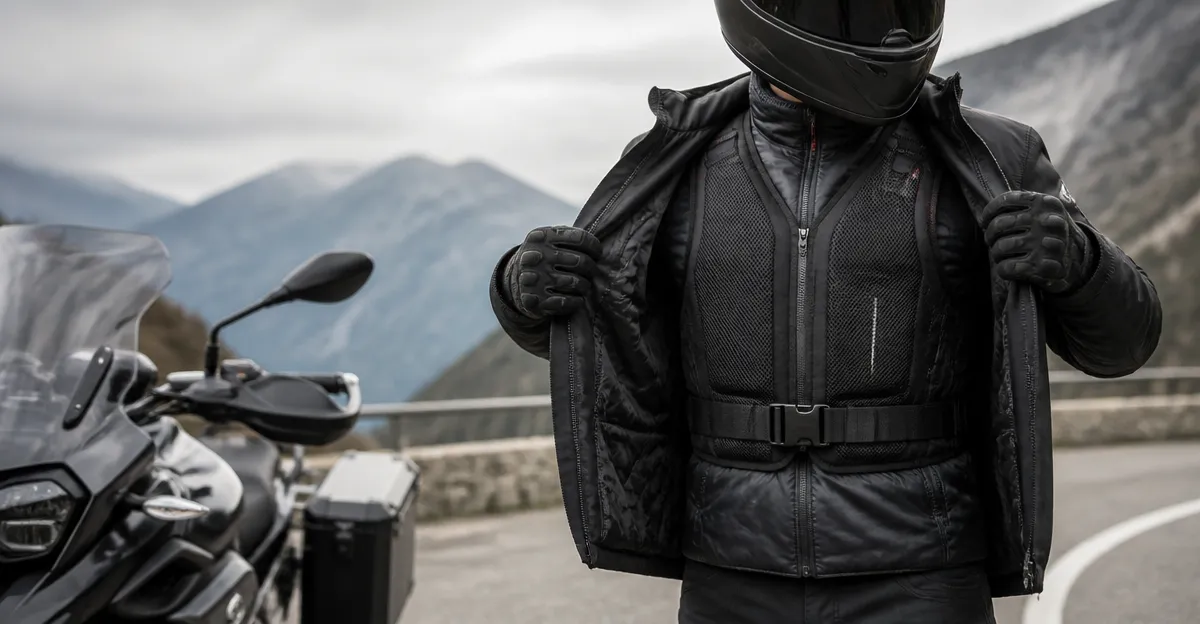
Can You Wear a Heated Jacket with a Motorcycle Airbag Vest? Complete Compatibility & Safety Guide
Introduction
Motorcyclists constantly seek ways to stay warm while preserving safety. One common question is whether a heated jacket can be worn underneath or over a motorcycle airbag vest without compromising performance. This guide explains the technical and practical aspects of combining these two pieces of gear, outlines the factors that determine compatibility, and recommends specific products that meet the required standards. Readers will finish this article with a clear understanding of how to stay warm, stay protected, and stay comfortable on every ride.
Background / Context
Heated apparel uses battery‑powered carbon‑fiber elements to generate warmth in targeted zones. The technology has become popular for riders because it mitigates wind‑chill during long trips. Airbag vests, on the other hand, contain inflatable chambers that deploy in a fraction of a second when a crash sensor detects rapid deceleration. The vest must remain unobstructed so that the airbag can expand evenly around the torso.
Both systems rely on electrical power, but they differ in weight distribution, bulk, and placement of cables. Understanding these differences is essential before layering them together. In addition, manufacturers often specify clearances for airbag deployment and may advise against any additional padding that could interfere with sensor function.
Regulatory bodies such as the European Union’s CE marking and the United States’ FCC certification ensure that heated garments meet safety thresholds for battery temperature and electromagnetic emissions. Airbag vests typically carry CE/FCC certification as well. When both devices are CE‑approved, the likelihood of electrical interference is low, yet real‑world testing remains advisable.
Key Compatibility Considerations
Before purchasing any heated jacket or vest, evaluate the following criteria:
- Fit and Bulk: The airbag vest must be able to inflate without being pressed against a rigid surface. A jacket that adds significant thickness around the chest and back can limit expansion.
- Battery Placement: Many heated jackets store the battery in an internal pocket. Ensure that this pocket does not overlap the airbag’s inflation chambers.
- Power Source Compatibility: Both devices often use 12 V or USB‑C power. If you plan to share a single power bank, verify voltage and current limits to avoid over‑discharging.
- Material Compatibility: Water‑resistant shells on heated jackets complement the waterproofing of most airbag vests, but abrasive fabrics may wear the airbag’s seams over time.
- Heat Distribution vs. Airbag Zones: Ideally, heating zones should avoid the exact locations of the airbag chambers to prevent uneven pressure during deployment.
When these factors align, a rider can enjoy continuous warmth without sacrificing the rapid inflation required for crash protection.
Recommended Products for Layering
The following heated garments have been selected because they offer thin profiles, strategically placed batteries, and reliable safety certifications. The first mention of each product includes a direct Amazon link.
DEWBU Heated Jacket
This jacket features five carbon‑fiber heating zones, a 54 Wh 12 V battery, and a USB‑C port for device charging. The battery sits in a dedicated chest pocket that can be positioned beneath an airbag vest without covering the inflation chambers. With a rating of 4.4/5 from 7,996 reviews and a price of $149.99, it provides up to four hours of high‑level heat, which is sufficient for most rides.
Brimekey Heated Jacket
Equipped with a 20 000 mAh fast‑charge battery and six heating zones, this jacket delivers up to ten hours of warmth on the low setting. The battery pack includes a digital display and is housed in a separate compartment, allowing the rider to place it on a belt or within the vest’s internal pocket. It is rated 4.4/5 from 98 reviews and costs $99.99, making it a budget‑friendly alternative.
Hoson Heated Vest
With nine heating plates covering the core and a lightweight soft‑shell exterior, this vest adds minimal bulk. The battery provides up to eight hours of continuous heat and can be removed for washing. It is rated 4.2/5 from 917 reviews and is priced at $39.88, offering a cost‑effective solution for riders who prefer a vest rather than a full jacket.
ORORO Women’s Heated Vest
The ORORO vest utilizes four smart heating zones and a 4 800 mAh battery that lasts up to ten hours on low heat. Its lightweight FELLEX insulation ensures that the vest does not impede airbag deployment. With a 4.5/5 rating from 11,108 reviews and a price of $149.99, it is a premium option for riders seeking both style and performance.
ORORO Women’s Heated Fleece Jacket
This fleece jacket combines soft interior material with four core heating zones. The battery pack is removable and sits low on the hip, far from the airbag’s torso chambers. Rated 4.4/5 from 2,048 reviews and priced at $134.99, it offers a comfortable indoor‑to‑outdoor transition for riders who need extra layering.
Comparison / Selection Guide
| Feature | DEWBU Heated Jacket | Brimekey Heated Jacket | Hoson Heated Vest | ORORO Heated Vest | ORORO Heated Fleece Jacket |
|---|---|---|---|---|---|
| Heating Zones | 5 (front, back, arms) | 6 (neck, abdomen, back, arms) | 9 (core plates) | 4 (collar, mid‑back, pockets) | 4 (chest, collar, mid‑back) |
| Battery Capacity | 54 Wh 12 V | 20 000 mAh (fast‑charge) | Up to 8 h (unspecified) | 4 800 mAh 7.38 V | 4 800 mAh 7.4 V |
| Runtime (Low) | 3.5‑4 h (high) / 9‑10 h (low) | ≈10 h | 8 h | 10 h | 8 h |
| Weight (approx.) | Medium | Light | Light | Light | Medium |
| Price | $149.99 | $99.99 | $39.88 | $149.99 | $134.99 |
| Rating | 4.4/5 (7,996 reviews) | 4.4/5 (98 reviews) | 4.2/5 (917 reviews) | 4.5/5 (11,108 reviews) | 4.4/5 (2,048 reviews) |
When selecting a heated garment for use with an airbag vest, prioritize low profile, removable battery placement, and a rating that reflects durability. Riders who need maximum warmth for extended rides may opt for the DEWBU or Brimekey jackets, while those who prefer minimal interference with the vest should consider the Hoson or ORORO vests.
Best Practices & Tips
- Test Inflation with the Jacket On: Before hitting the road, wear the heated jacket and manually inflate the airbag vest (if the vest includes a test button). Verify that the vest expands fully without bulging.
- Secure Battery Outside the Inflation Zone: Position the battery pack on the hip or in a belt pouch rather than directly against the chest. This prevents added pressure on the airbag chambers.
- Maintain Separate Power Sources: While sharing a power bank is possible, keep each device’s charger separate to avoid voltage spikes that could affect the airbag’s sensor.
- Regularly Inspect Wiring: Heat can degrade insulation over time. Check cables for fraying before each ride and replace them if necessary.
- Follow Manufacturer Care Instructions: Remove batteries before machine washing any heated garment. Airbag vests often require a gentle cycle and should be air‑dried.
- Layer Strategically: Use a thin, moisture‑wicking base layer beneath the heated jacket, and keep the airbag vest as the outermost protective layer. This arrangement preserves both warmth and rapid airbag deployment.
- Monitor Battery Temperature: Modern heated jackets include over‑heat protection, but riders should still avoid exposing the battery to direct sunlight for prolonged periods.
Frequently Asked Questions
1. Will a heated jacket interfere with the airbag’s sensor?
Most airbag vests use accelerometers that are not affected by the low‑level electromagnetic fields produced by heated jackets. However, it is advisable to keep the battery at least a few centimeters away from the sensor module.
2. Can I use the same battery for both the jacket and the vest?
Only if the battery meets the voltage and current specifications of both devices. The DEWBU jacket requires a 12 V supply, while ORORO vests operate at 7.4 V, making a shared battery impractical without a voltage regulator.
3. Does the added bulk affect airbag deployment speed?
Airbag vests are designed to inflate within 30‑40 ms. A thin jacket adds less than 5 mm of thickness, which generally does not delay deployment. Thick jackets or multiple layers may hinder full expansion.
4. Are there any legal restrictions on combining these devices?
Both heated jackets and airbag vests must carry CE or FCC certification for sale in most markets. As long as each product remains compliant, there are no specific regulations prohibiting their combined use.
5. How should I store the battery when not in use?
Store the battery in a cool, dry place at approximately 50 % charge. This prolongs lifespan and reduces the risk of overheating during future rides.
6. What is the best way to charge the jacket while on a long trip?
Many riders use a portable 12 V power station mounted on the motorcycle. Connect the jacket’s USB‑C port to the power station using a high‑current cable, and monitor charge levels with the jacket’s LED indicator.
Conclusion
Combining a heated jacket with a motorcycle airbag vest is feasible when the rider pays close attention to fit, battery placement, and material compatibility. By selecting a low‑profile heated garment such as the DEWBU Heated Jacket or the Hoson Heated Vest, and following the best‑practice checklist, riders can enjoy sustained warmth without compromising rapid airbag deployment. The result is a safer, more comfortable riding experience in cold weather conditions.
Products Featured in This Guide
DEWBU Heated Jacket
Price: $149.99 | Rating: 4.4/5 (7,996 reviews)
Featured for its thin profile, 12 V battery that can be positioned beneath an airbag vest, and five heating zones that cover the core body.
Brimekey Heated Jacket
Price: $99.99 | Rating: 4.4/5 (98 reviews)
Featured for its 20 000 mAh fast‑charge battery, six heating zones, and detachable power pack that can be placed away from the vest’s inflation chambers.
Hoson Heated Vest
Price: $39.88 | Rating: 4.2/5 (917 reviews)
Featured for its lightweight design, nine heating plates, and removable battery that ensures the airbag vest can inflate without obstruction.
ORORO Women’s Heated Vest
Price: $149.99 | Rating: 4.5/5 (11,108 reviews)
Featured for its four smart heating zones, lightweight FELLEX insulation, and battery placement that does not interfere with airbag chambers.
ORORO Women’s Heated Fleece Jacket
Price: $134.99 | Rating: 4.4/5 (2,048 reviews)
Featured for its soft fleece interior, four core heating zones, and low‑hip battery location, making it ideal for riders who need an extra layering piece.