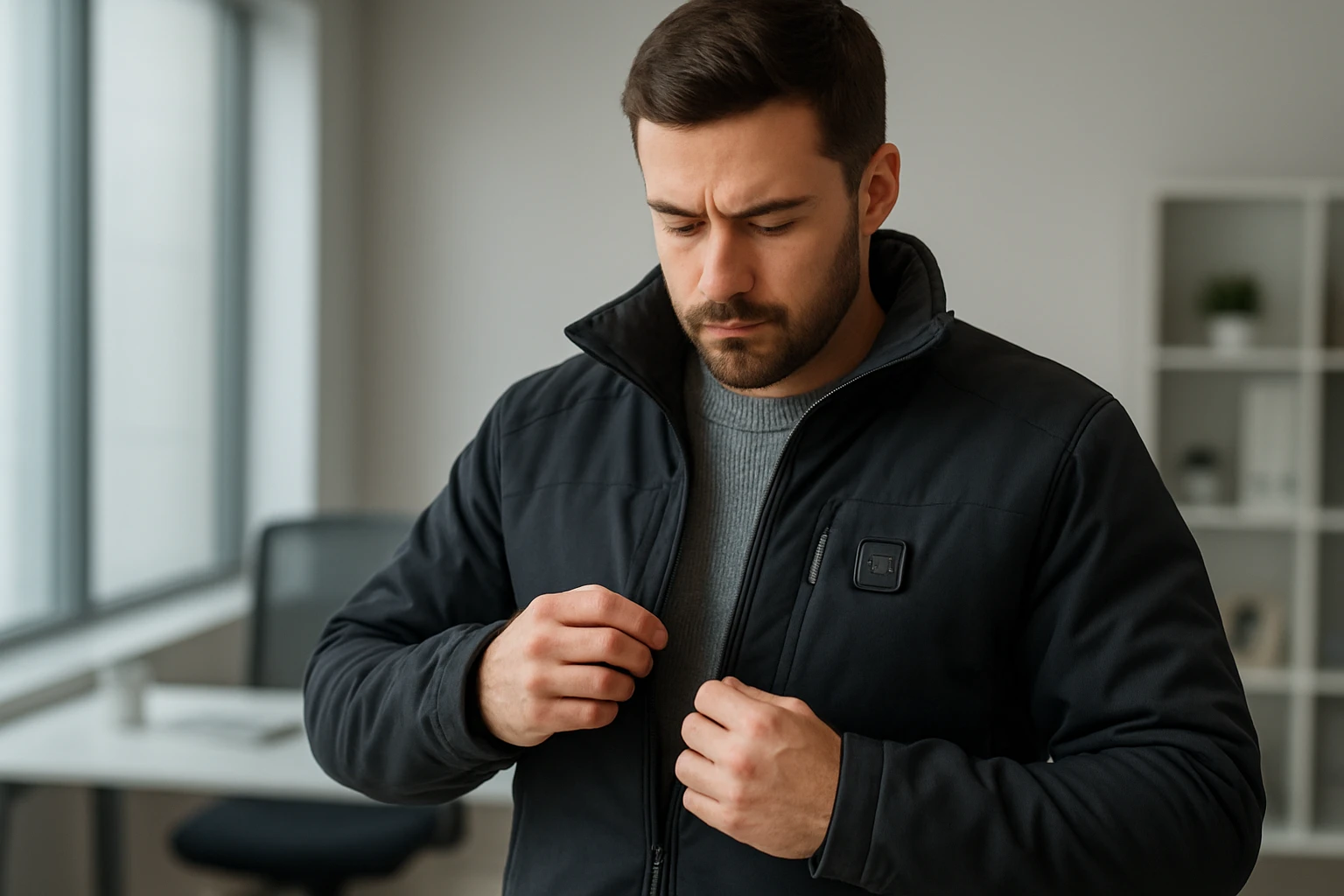
Are Battery‑Heated Clothes Safe for Work? The Complete Guide to Risks, Standards, and Best Practices
Introduction
The modern workplace increasingly demands comfort in extreme temperatures. Battery‑heated garments promise warmth without bulky layers, yet safety concerns persist. This guide explains the technology, regulatory landscape, and practical steps to ensure safe use on the job. Readers will learn how to evaluate products, compare features, and adopt best practices that protect both employee health and equipment integrity.
By the end of the article, the audience will understand the core risks, know which standards apply, and be equipped to select reliable heated apparel. Real‑world examples from top‑rated Amazon products illustrate how theory translates into practice. The discussion remains neutral, focusing on evidence‑based guidance rather than sales persuasion.
Background and Context
Battery‑heated clothing integrates flexible heating elements, a rechargeable power source, and a control unit. The heating elements are typically carbon‑fiber or polymer‑based strips sewn into strategic zones such as the chest, back, and sleeves. A lithium‑ion battery, often rated between 10,000 mAh and 18,400 mAh, supplies power for several hours depending on the heat setting.
Historically, heated garments were limited to niche markets like outdoor recreation and military use. Advances in battery energy density and textile engineering have lowered cost and increased accessibility, prompting adoption in construction, warehousing, and emergency services. However, the shift from occasional recreation to daily professional wear raises questions about durability, fire safety, and electromagnetic interference.
Key terminology includes:
- Heat output (watts): The amount of thermal energy delivered to the wearer.
- Battery capacity (mAh): A measure of how long the battery can sustain a given heat level.
- IP rating: Ingress protection indicating resistance to water and dust.
- UL certification: Safety standard for electrical components in the United States.
Understanding these concepts helps professionals assess whether a garment meets workplace safety requirements.
Regulatory Standards and Safety Certifications
Several organizations define safety criteria for electrically heated apparel. In the United States, the Underwriters Laboratories (UL) standard UL 2271 addresses the safety of battery‑powered garments used in occupational settings. The standard mandates short‑circuit protection, thermal runaway safeguards, and proper insulation of heating elements.
In Europe, the CE marking indicates conformity with the Low Voltage Directive (LVD) and the Electromagnetic Compatibility (EMC) Directive. Both directives require that the product does not pose a fire hazard and does not interfere with other electronic equipment.
For outdoor and marine environments, the International Organization for Standardization (ISO) provides ISO 12402‑5 for personal flotation devices, which includes guidelines for integrated heating systems. While not all heated jackets carry every certification, reputable brands often reference UL or CE compliance in their product literature.
Employers should request documentation of compliance before approving any heated garment for use on site. Failure to verify certification can expose the organization to liability in the event of a fire or electrical malfunction.
Core Safety Risks
Battery‑heated clothing introduces several potential hazards that must be mitigated:
- Thermal burns: Excessive heat output or malfunctioning temperature control can cause skin injury, especially for users with reduced sensation.
- Fire risk: Lithium‑ion batteries can experience thermal runaway if damaged, over‑charged, or exposed to extreme temperatures.
- Electrical shock: Poor insulation or water ingress may lead to short circuits, posing a shock hazard.
- Battery degradation: Repeated deep discharge cycles reduce capacity, potentially leading to unexpected shutdowns during critical tasks.
- Interference with PPE: Bulky heating packs may interfere with other personal protective equipment such as harnesses or respirators.
Each risk can be addressed through product design, user training, and workplace policies. Selecting garments that incorporate automatic shut‑off, over‑temperature sensors, and water‑resistant enclosures reduces the probability of incident.
Key Features to Evaluate in Heated Apparel
When reviewing heated garments, professionals should assess the following attributes:
- Battery capacity and life: Larger capacity (e.g., 18,400 mAh) provides longer operation but adds weight.
- Heat zones and adjustability: Multiple zones allow targeted warmth; adjustable settings conserve battery.
- Material durability: Water‑resistant outer shells and reinforced seams extend service life.
- Safety mechanisms: Over‑heat protection, short‑circuit guards, and battery disconnect switches are essential.
- Compliance labels: Look for UL, CE, or ISO markings that verify third‑party testing.
Below are five Amazon‑listed products that exemplify these criteria. The first mention of each product includes a clickable link to the Amazon listing.
Product Recommendations
The following garments have received strong consumer ratings and incorporate safety features aligned with industry standards.
1. Hecusma Heated Jacket
This men’s jacket includes a 18,400 mAh 12 V battery pack, four heating zones, and a fur lining for added insulation. It holds a rating of 4.6 out of 5 stars based on 179 reviews, indicating high customer satisfaction. Users report that the battery retains roughly 30 % charge after two hours of continuous use in sub‑zero conditions, demonstrating robust endurance. The jacket’s removable hood and adjustable straps allow for a customized fit, while the battery pack is positioned in a dedicated pocket that isolates heat from other equipment.
Key specifications:
- Price: $75.99
- Battery: 18,400 mAh, 12 V
- Heat zones: Chest, back, left and right sleeves
- Material: Polyester canvas with fur lining
- Safety: Over‑heat protection and battery disconnect switch
2. WASOTO Women's Slim Heated Jacket
The WASOTO model targets female professionals who require a sleek silhouette without sacrificing warmth. It features a 18,400 mAh battery, water‑resistant outer fabric, and three heating zones covering the chest, back, and neck. The jacket earned a 4.4‑star rating from 513 reviewers, many of whom highlighted the quick‑heat response and lightweight feel. A detachable hood and adjustable cuffs enhance versatility for indoor and outdoor tasks.
Key specifications:
- Price: $84.99
- Battery: 18,400 mAh
- Heat zones: Chest, back, neck
- Material: Water‑resistant polyester blend
- Safety: Automatic shut‑off after 8 hours of continuous use
3. VERGOO Graphene Heated Jacket
VERGOO incorporates graphene‑infused heating elements, which claim faster heat distribution and lower power consumption. The jacket includes a 18,400 mAh battery, waterproof shell, and multiple pockets, including a dedicated battery compartment. Reviewers rate it 4.5 stars out of 142, praising the durability and the integrated USB ports that allow charging of external devices. The design also features thumb holes and adjustable cuffs to prevent heat loss.
Key specifications:
- Price: $96.19
- Battery: 18,400 mAh
- Heat zones: Chest, back, sleeves
- Material: Graphene‑enhanced waterproof fabric
- Safety: Built‑in thermal sensor that reduces power when target temperature is reached
4. Venustas Unisex Heated Jacket
The Venustas jacket offers a gender‑neutral cut with a lightweight yet warm construction. It contains a 10,000 mAh battery, providing up to 6 hours of heat on high setting, and features heating elements in the chest and back. With a 4.4‑star rating from over 3,200 reviews, the product is praised for its waterproof performance and comfortable fit. The battery pack is removable, allowing users to replace or service it without dismantling the garment.
Key specifications:
- Price: $89.99
- Battery: 10,000 mAh
- Heat zones: Chest, back
- Material: Wind‑ and light‑moisture‑resistant shell
- Safety: Over‑heat cut‑off and short‑circuit protection
5. NEW VIEW Heated Hunting Pants
For workers who require lower‑body warmth, the NEW VIEW pants integrate a 10,000 mAh battery and insulated fleece lining. They deliver heat to the thighs and hips through carbon‑fiber strips, and reviewers give them a 4.1‑star rating based on 29 comments. Users note quiet movement, an essential factor for hunters and field technicians who must remain stealthy. The pants include a removable battery pack and are rated for temperatures as low as -20 °C.
Key specifications:
- Price: $59.99
- Battery: 10,000 mAh
- Heat zones: Thighs, hips
- Material: Camo‑patterned, water‑repellent fabric
- Safety: Battery disconnect switch and IPX4 water resistance
Comparison and Selection Guide
The table below summarizes the most relevant attributes for each product, enabling professionals to match features with job requirements.
| Product | Battery Capacity | Heat Zones | Water Resistance | Weight (approx.) | Price | Rating |
|---|---|---|---|---|---|---|
| Hecusma Heated Jacket | 18,400 mAh | Chest, back, sleeves (4) | Water‑resistant | ~1.2 kg | $75.99 | 4.6/5 (179) |
| WASOTO Women’s Slim Heated Jacket | 18,400 mAh | Chest, back, neck (3) | Water‑resistant | ~1.0 kg | $84.99 | 4.4/5 (513) |
| VERGOO Graphene Heated Jacket | 18,400 mAh | Chest, back, sleeves (3) | Waterproof | ~1.3 kg | $96.19 | 4.5/5 (142) |
| Venustas Unisex Heated Jacket | 10,000 mAh | Chest, back (2) | Water‑resistant | ~0.9 kg | $89.99 | 4.4/5 (3,211) |
| NEW VIEW Heated Hunting Pants | 10,000 mAh | Thighs, hips (2) | Water‑repellent | ~0.6 kg | $59.99 | 4.1/5 (29) |
Decision‑making should prioritize battery life for long‑duration tasks, water resistance for outdoor environments, and the number of heat zones for targeted comfort. For example, construction workers who need full‑body warmth may prefer the Hecusma or VERGOO jackets, while a field technician requiring a lightweight option might select the Venustas model.
Best Practices & Tips for Safe Use
The following checklist helps organizations implement heated apparel safely:
- Verify certifications: Request UL or CE documentation before approving any garment.
- Conduct a risk assessment: Identify tasks where heated clothing will be used and evaluate potential interference with existing PPE.
- Train employees: Instruct workers on battery charging procedures, how to activate and deactivate heat zones, and how to disconnect the battery when not in use.
- Maintain battery health: Store batteries at room temperature, avoid full discharge whenever possible, and replace batteries after 300 charge cycles.
- Inspect garments regularly: Look for frayed wires, damaged seams, or moisture ingress that could compromise safety.
- Implement a charging station policy: Designate a well‑ventilated area for charging, and never charge batteries near flammable materials.
- Document incidents: Record any overheating events, battery failures, or injuries to refine safety protocols.
Employers should also consider integrating heated garments into a broader cold‑weather safety program that includes layered clothing, hand warmers, and scheduled break periods.
Frequently Asked Questions
1. Are heated jackets considered personal protective equipment (PPE)?
Heated jackets are not classified as PPE under OSHA regulations unless they are specifically designed to protect against a recognized hazard such as extreme cold. However, many employers treat them as supplemental thermal protection and incorporate them into their cold‑weather safety plans.
2. Can the battery cause interference with other electronic tools?
Modern heated garments comply with EMC standards, limiting electromagnetic emissions. Nevertheless, users should keep the battery pack at least six inches away from sensitive equipment such as radios or medical devices, especially when operating at high heat settings.
3. What is the recommended charging method?
Always use the charger supplied by the manufacturer. Connect the charger to a standard 120 V outlet, and avoid using fast‑charging adapters unless explicitly approved. Over‑charging can degrade battery lifespan and increase fire risk.
4. How often should the battery be replaced?
Battery replacement intervals vary by usage intensity. For daily use in demanding conditions, replace the battery after approximately 300 full charge cycles or when capacity drops below 70 % of the original rating.
5. Are there any temperature limits for safe operation?
Most heated garments operate safely between –20 °C and 40 °C. Exposing the battery to temperatures below –20 °C can temporarily reduce capacity, while temperatures above 40 °C may trigger automatic shut‑off to prevent overheating.
6. Can the garments be washed?
Many jackets include a removable battery compartment and are machine‑washable on a gentle cycle after the battery has been taken out. Always follow the manufacturer’s washing instructions to avoid damaging heating elements.
7. Is it safe to wear heated clothing while performing heavy physical labor?
Yes, provided the garment does not restrict movement or interfere with other safety gear. Users should select a model with a low‑profile battery pack and ensure that heat zones do not cause excessive sweating, which could affect grip.
Conclusion
Battery‑heated clothing can enhance comfort and productivity for workers exposed to cold environments, provided that safety standards are observed and best‑practice protocols are followed. By verifying certifications, selecting products with appropriate battery capacity and heat zoning, and training employees on proper use, organizations can mitigate the primary risks of thermal burns, fire, and electrical shock. The products highlighted in this guide demonstrate that reliable, certified options are readily available on the market, offering a balance of performance, durability, and safety.
Adopting heated apparel responsibly contributes to a safer workplace, reduces the need for bulky layers, and supports employee well‑being during winter operations.
Products Featured in This Guide
Hecusma Heated Jacket
Price: $75.99
Rating: 4.6/5 (179 reviews)
Featured for its high‑capacity 18,400 mAh battery, four heating zones, and UL‑type safety features that make it suitable for extended outdoor work.
WASOTO Women's Slim Heated Jacket
Price: $84.99
Rating: 4.4/5 (513 reviews)
Featured for its water‑resistant construction, lightweight profile, and three heating zones that provide rapid warmth for female workers.
VERGOO Graphene Heated Jacket
Price: $96.19
Rating: 4.5/5 (142 reviews)
Featured for its graphene‑enhanced heating elements, waterproof shell, and built‑in safety sensor that automatically modulates temperature.
Venustas Unisex Heated Jacket
Price: $89.99
Rating: 4.4/5 (3,211 reviews)
Featured for its lightweight design, removable 10,000 mAh battery, and broad market acceptance reflected in a high review volume.
NEW VIEW Heated Hunting Pants
Price: $59.99
Rating: 4.1/5 (29 reviews)
Featured for providing lower‑body heat with a 10,000 mAh battery, making it ideal for hunters, field technicians, and workers who need leg warmth.