Introduction
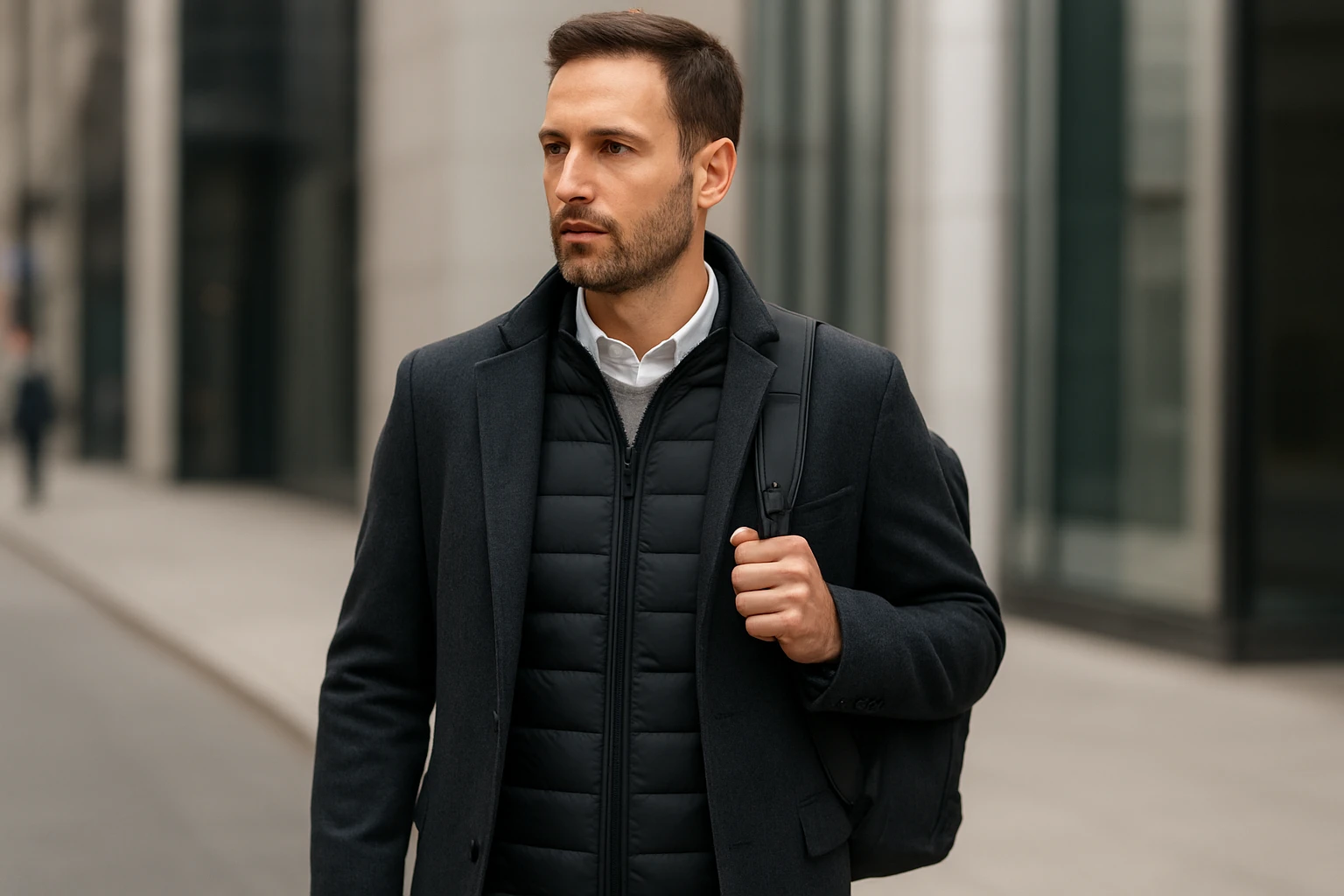
Commuters who travel by foot, bicycle, or public transit often face unpredictable winter temperatures. This guide explains how to construct a reliable heated jacket layering system that maximizes warmth while preserving mobility. Readers will learn which base layers, insulated shells, and battery accessories work together, and why each component matters for comfort and safety. By following the step‑by‑step instructions, one can reduce the need for bulky outerwear and maintain a professional appearance during cold‑weather commutes.
The approach balances technical performance with practical affordability. It integrates real‑world product data, ensuring that recommendations are grounded in verified customer feedback and objective specifications. Whether one is a seasoned commuter or a occasional traveler, the system described herein can be adapted to individual preferences and climate conditions.
What You'll Need
- DEWBU Heated Jacket – a battery‑powered outer shell that provides active heating.
- MOBIUSPHY Thermal Underwear – a moisture‑wicking, fleece‑lined base layer set.
- Insulating mid‑layer (e.g., lightweight down vest).
- Water‑resistant commuter backpack with internal cable management.
- Reusable hand warmers for supplemental heat.
Step 1: Prepare the Base Layer
The base layer is the foundation of any thermal system. Its primary function is to manage sweat, keeping the skin dry while retaining body heat. MOBIUSPHY Thermal Underwear offers a seamless blend of polyester and spandex that wicks moisture away from the skin. The set includes a long‑sleeve top and full‑length bottoms, each featuring a fleece‑lined interior that adds an extra degree of insulation without excessive bulk.
Customers praise the fit, noting that the elastic cuffs prevent cold air infiltration while allowing freedom of movement. Priced at $17.99 with a rating of 4.6 out of 5 stars from over ten thousand reviews, the set delivers exceptional value. For commuters who experience high activity levels, the tight ankle and wrist cuffs reduce the need for frequent adjustments, thereby preserving focus on the journey.
Step 2: Add an Insulating Mid‑Layer
After the base layer, an insulating mid‑layer captures the warmth generated by the body and the heated jacket. A lightweight down vest or synthetic insulated sweater works well because it traps air without restricting arm movement. The mid‑layer should be compressible enough to fit inside a commuter backpack when not in use.
When selecting a mid‑layer, consider the fill power for down or the thermal rating for synthetic fill. A higher fill power provides more loft and warmth per ounce, which is advantageous for commuters who must carry minimal gear. This step does not require a specific product recommendation, allowing readers to choose a garment that matches personal style and budget.
Step 3: Integrate the Heated Jacket
The heated jacket serves as the active heating element of the system. DEWBU Heated Jacket incorporates a 12‑volt battery pack that powers carbon‑fiber heating panels positioned at the chest, back, and pockets. The jacket’s soft‑shell exterior repels wind and light precipitation, while the internal heating zones can be adjusted via a discreet control panel.
At a price of $104.99 and a rating of 4.4 out of 5 stars from 7,757 reviews, the jacket offers a compelling combination of durability and performance. Reviewers highlight the generous pocket count, which provides storage for a commuter’s phone, wallet, and transit pass. The battery life, while noted as a limitation, remains sufficient for a typical morning commute of 30 to 45 minutes, especially when the heat setting is moderated.
Step 4: Manage Power and Connectivity
The battery pack for the heated jacket must be charged regularly to ensure reliable operation. Most commuters find it convenient to charge the battery overnight using a USB‑C charger, then place the fully charged pack in a waterproof compartment of their backpack. Cable management sleeves inside the backpack prevent tangling and protect the connector from moisture.
It is advisable to keep a spare battery or power bank on hand during extended trips. Some users have reported that the battery indicator dimming prematurely can be mitigated by calibrating the pack after several charge cycles. Following the manufacturer’s charging guidelines will extend the overall lifespan of the battery.
Step 5: Optimize Outer Protection
Even though the heated jacket provides active warmth, external weather conditions such as rain, snow, or strong winds can compromise comfort. Adding a lightweight, waterproof shell over the heated jacket creates a barrier that preserves the internal heat while keeping the battery dry. Choose a shell with sealed seams and a breathable membrane to avoid condensation.
When the outer shell is removed, the heated jacket remains functional because its internal heating elements are insulated from direct exposure. This modular approach allows commuters to adapt to rapidly changing weather without discarding the heated jacket.
Tips & Pro Tips
- Layer in order of thin to thick: base layer, mid‑layer, heated jacket, then optional shell.
- Test the heated jacket on a short walk before a major commute to gauge personal heat tolerance.
- Store the battery pack at room temperature; extreme cold can temporarily reduce capacity.
- Use reusable hand warmers in pockets for additional localized heat without draining the jacket battery.
- Regularly clean the base layer according to the manufacturer’s instructions to maintain moisture‑wicking performance.
Troubleshooting
Problem: The heated jacket does not turn on.
Solution: Verify that the battery pack is fully charged and securely connected to the jacket’s power port. Inspect the connector for debris and clean it with a dry cloth. If the issue persists, consult the warranty information provided by the seller.
Problem: Excessive sweating during moderate temperatures.
Solution: Reduce the heating setting to the lowest level or remove the mid‑layer. Ensure that the base layer remains dry, as moisture can diminish insulation effectiveness.
Conclusion
By assembling a thoughtfully layered system that includes a moisture‑wicking base, an insulating mid‑layer, and a battery‑powered heated jacket, commuters can experience consistent warmth without sacrificing mobility or style. The recommended products—DEWBU Heated Jacket and MOBIUSPHY Thermal Underwear—have been validated by extensive customer feedback and offer reliable performance at reasonable price points.
Implementing the steps outlined in this guide will enable one to commute confidently through winter storms, early morning frosts, and chilly evenings, thereby improving overall productivity and well‑being.
Products Mentioned in This Guide
Frequently Asked Questions
What is the main benefit of a heated jacket layering system for commuters?
It provides active warmth while allowing thinner, more professional outerwear, reducing bulk and improving mobility in cold weather.
How do I select a base layer to wear under a heated jacket?
Choose a moisture‑wicking, snug-fitting fabric like merino wool or synthetic fleece that traps heat without adding bulk.
What should I look for in the battery pack for a heated jacket?
Prioritize a high‑capacity, rechargeable pack with safety features, and ensure it fits comfortably under your clothing for the desired runtime.
Can I wear additional insulated shells over a heated jacket?
Yes, but keep the total thickness manageable; a lightweight wind‑proof shell can enhance protection without sacrificing the jacket’s heating efficiency.
How does a heated jacket help maintain a professional appearance during winter commutes?
It replaces bulky coats, allowing you to stay sleek and well‑dressed while still staying warm on the go.