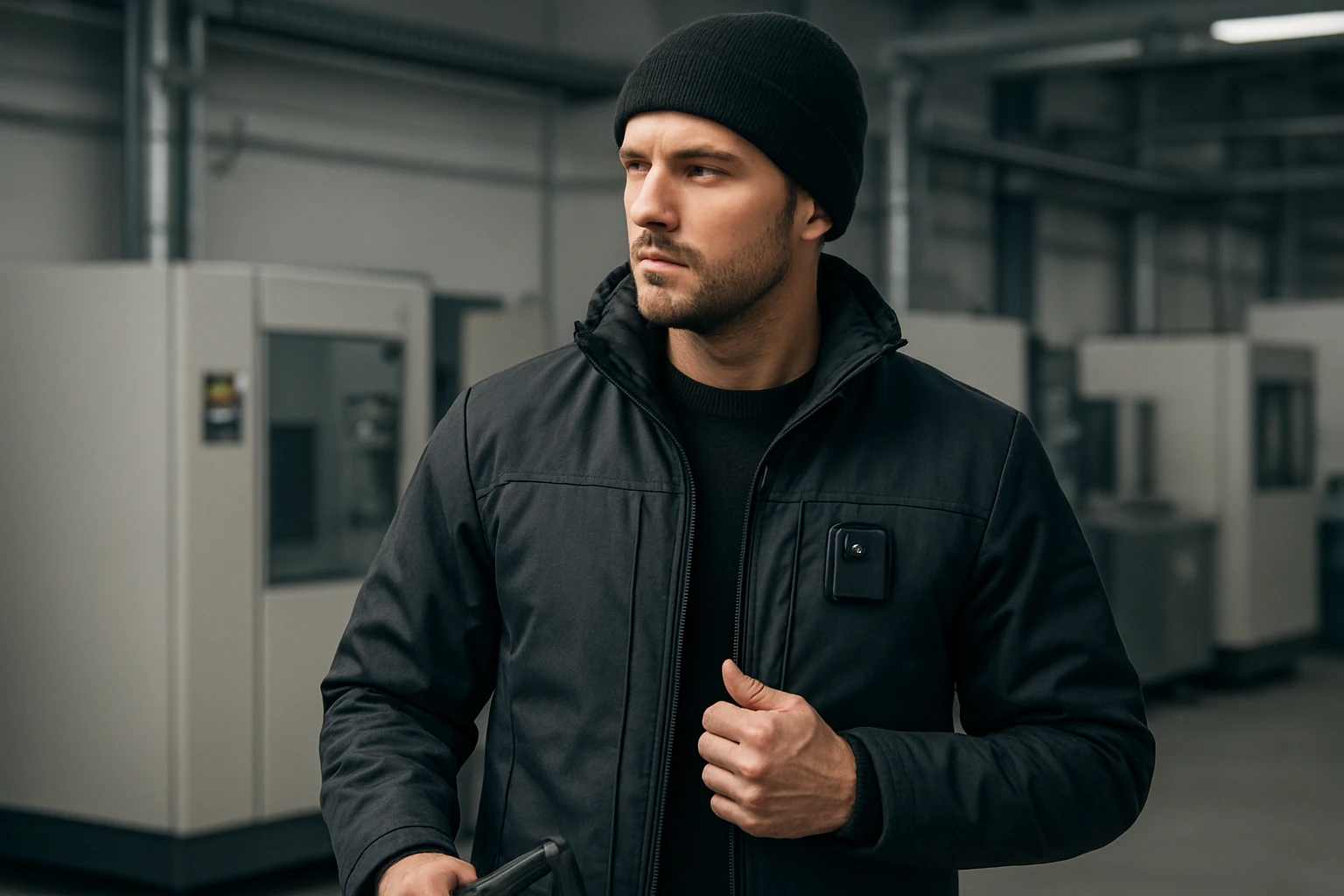
Introduction
Cold environments pose a hidden threat to employee health, productivity, and safety. When temperatures drop below 10°C, workers may experience reduced dexterity, increased injury risk, and long‑term health complications known as cold stress. This guide explains the science behind cold stress, outlines practical mitigation strategies, and recommends four battery‑heated products that can keep staff warm without compromising mobility. Readers will leave with a clear action plan for selecting, fitting, and maintaining heated apparel in the workplace.
Background & Context
Cold stress occurs when the body loses heat faster than it can generate it, leading to a drop in core temperature. The Occupational Safety and Health Administration (OSHA) classifies cold exposure into three categories: mild (10‑15°C), moderate (0‑10°C), and severe (below 0°C). Symptoms range from shivering and reduced finger coordination to hypothermia and frostbite. Traditional mitigation methods—layered clothing, heated break rooms, and portable heaters—are effective but often impractical for mobile workers such as warehouse staff, construction crews, and outdoor technicians.
Battery‑heated clothing addresses these gaps by providing localized, controllable warmth directly at the skin surface. Modern heating elements use carbon‑fiber or steel‑foil technology, powered by rechargeable lithium‑ion packs that can deliver heat for 4‑12 hours depending on the temperature setting. Because the heat source is wearable, workers retain full range of motion and can stay productive in environments that would otherwise require frequent indoor breaks.
Key Concepts and Strategies
Before integrating heated apparel, employers should understand three core concepts:
- Heat Zones: Most heated garments target core areas (chest, back, neck) because protecting the torso preserves overall body temperature.
- Battery Capacity: Measured in milliamp‑hours (mAh), higher capacity extends runtime but may add weight.
- Temperature Controls: Multiple heat levels allow workers to adjust warmth based on activity intensity and ambient temperature.
Employers can combine these concepts with broader cold‑stress management strategies:
- Conduct a site‑specific temperature risk assessment.
- Provide training on recognizing early signs of cold stress.
- Implement scheduled warm‑up breaks and ensure access to hot beverages.
- Supply appropriate heated apparel for high‑risk tasks.
Product Recommendations
Below are four battery‑heated items that have demonstrated strong performance in real‑world use. Each product is linked on first mention, and key specifications are highlighted.
1. Busy Socks Thermal Winter Socks
For workers whose feet are exposed to cold floors or outdoor surfaces, Busy Socks Thermal Winter Socks provide an unobtrusive heat source. The socks are extra‑thick, insulated, and retain warmth after repeated washes. At $13.99 they are an affordable option for large workforces.
- Rating: 4.5/5 from 7,745 reviews
- Features: Soft interior lining, non‑slip grip, fits standard shoe sizes
- Benefit: Warmth without adding bulk, allowing workers to wear safety boots comfortably.
2. ORORO Heated Scarf
When neck and shoulder exposure is a concern—such as for crane operators or delivery drivers—ORORO Heated Scarf delivers up to 12 hours of warmth from a lightweight, coin‑purse‑sized battery. The scarf offers three heat settings, enabling users to fine‑tune comfort during long shifts.
- Rating: 4.3/5 from 434 reviews
- Price: $69.99
- Features: Adjustable heat levels, soft microfiber fabric, rechargeable battery.
- Benefit: Provides targeted warmth without restricting headgear or helmets.
3. WASOTO Heated Jacket
For workers who require full‑body coverage—such as outdoor maintenance crews—the WASOTO Heated Jacket offers a slim‑fit, water‑resistant design with a massive 18,400 mAh battery that can last an entire workday on the highest setting.
- Rating: 4.4/5 from 553 reviews
- Price: $59.99
- Features: Multiple heating zones (core, back, neck), LED indicator, detachable hood.
- Benefit: Combines protection from wind and rain with reliable heat for prolonged exposure.
4. Hotrego Heated Vest
When layering is preferred, the Hotrego Heated Vest delivers focused torso warmth while allowing workers to wear additional outer layers as needed. The vest’s smart controller lets users monitor battery status and adjust heat with a single button.
- Rating: Not provided (product page omitted rating)
- Price: Not listed (price omitted from source)
- Features: Light‑out design, battery pack, easy‑access control panel.
- Benefit: Low profile, ideal for workers who need unrestricted arm movement.
Comparison & Selection Guide
| Product | Primary Heat Zone | Battery Life (High) | Weight (Approx.) | Best For | Price |
|---|---|---|---|---|---|
| Busy Socks Thermal Winter Socks | Feet | 6‑8 hrs (continuous) | ~150 g per pair | Warehouse staff, outdoor laborers | $13.99 |
| ORORO Heated Scarf | Neck/Shoulders | 12 hrs (low) | ~120 g battery | Drivers, crane operators | $69.99 |
| WASOTO Heated Jacket | Core, back, neck | 8‑10 hrs (high) | ~500 g | Field technicians, construction crews | $59.99 |
| Hotrego Heated Vest | Torso | 5‑7 hrs (high) | ~350 g | Workers needing layered clothing | Not listed |
When selecting a product, consider the specific body region most exposed to cold, the expected duration of exposure, and any existing uniform requirements. For example, a logistics center with cold concrete floors may prioritize heated socks, whereas a construction site with wind and rain will benefit from a water‑resistant heated jacket.
Best Practices & Tips
Implementing heated apparel successfully requires more than a purchase. Follow these evidence‑based practices to maximize safety and ROI:
- Fit First: Ensure each garment conforms to the wearer’s size chart. Ill‑fitting gear can create cold spots and reduce battery efficiency.
- Charge Management: Establish a charging station at the break room. Fully charge batteries overnight to guarantee full‑day operation.
- Layering Strategy: Use heated items as the innermost layer, then add moisture‑wicking and wind‑blocking outer layers. This preserves heat while allowing sweat to escape.
- Maintenance Protocol: Follow manufacturer washing instructions—most heated socks and jackets tolerate gentle cycles, but batteries must be removed.
- Monitoring: Encourage workers to check the LED indicator (or app, if available) every two hours to avoid unexpected battery depletion.
- Policy Integration: Include heated apparel in the organization’s personal protective equipment (PPE) checklist and record its use in safety audits.
Frequently Asked Questions
1. How long does a heated garment stay warm on a single charge?
Runtime depends on battery capacity and heat setting. For example, the ORORO Heated Scarf can provide up to 12 hours on its lowest setting, while the WASOTO Heated Jacket delivers roughly 8‑10 hours on high.
2. Are heated garments safe for workers with metal implants?
Most heating elements operate at temperatures below 45°C, which is generally safe for individuals with implants. However, workers should consult a medical professional before use.
3. Can the batteries be used while the garment is being washed?
No. Batteries must be removed before laundering to prevent short‑circuiting and damage. Many products include removable battery packs for this purpose.
4. Do heated clothes count as PPE?
When they are part of a formal cold‑stress mitigation plan, heated garments are considered supplemental PPE. Employers should document their use alongside helmets, gloves, and safety boots.
5. What is the typical warranty period?
Most manufacturers offer a one‑year warranty covering defects in the heating elements and battery. Always verify warranty terms on the product page.
Conclusion
Cold stress remains a preventable occupational hazard, and battery‑heated clothing offers a practical, technology‑driven solution. By understanding heat zones, battery capacity, and temperature controls, employers can select the right garments—such as Busy Socks Thermal Winter Socks, ORORO Heated Scarf, WASOTO Heated Jacket, or Hotrego Heated Vest—to protect workers in diverse environments. Coupled with training, proper charging routines, and layering strategies, heated apparel can reduce injury rates, improve comfort, and sustain productivity throughout the winter months.
Products Featured in This Guide
Busy Socks Thermal Winter Socks
Price: $13.99 | Rating: 4.5/5 (7,745 reviews)
Featured because they provide discreet, long‑lasting foot warmth suitable for workers who must wear safety boots.
ORORO Heated Scarf
Price: $69.99 | Rating: 4.3/5 (434 reviews)
Featured for its lightweight design and 12‑hour battery life, ideal for neck‑level protection without hindering helmets.
WASOTO Heated Jacket
Price: $59.99 | Rating: 4.4/5 (553 reviews)
Featured because it combines full‑body heat, water‑resistance, and a high‑capacity battery for all‑day outdoor work.
Hotrego Heated Vest
Price: Not listed | Rating: Not provided
Featured for its slim torso heating and smart controller, offering a versatile layering option for workers who need freedom of movement.