Introduction
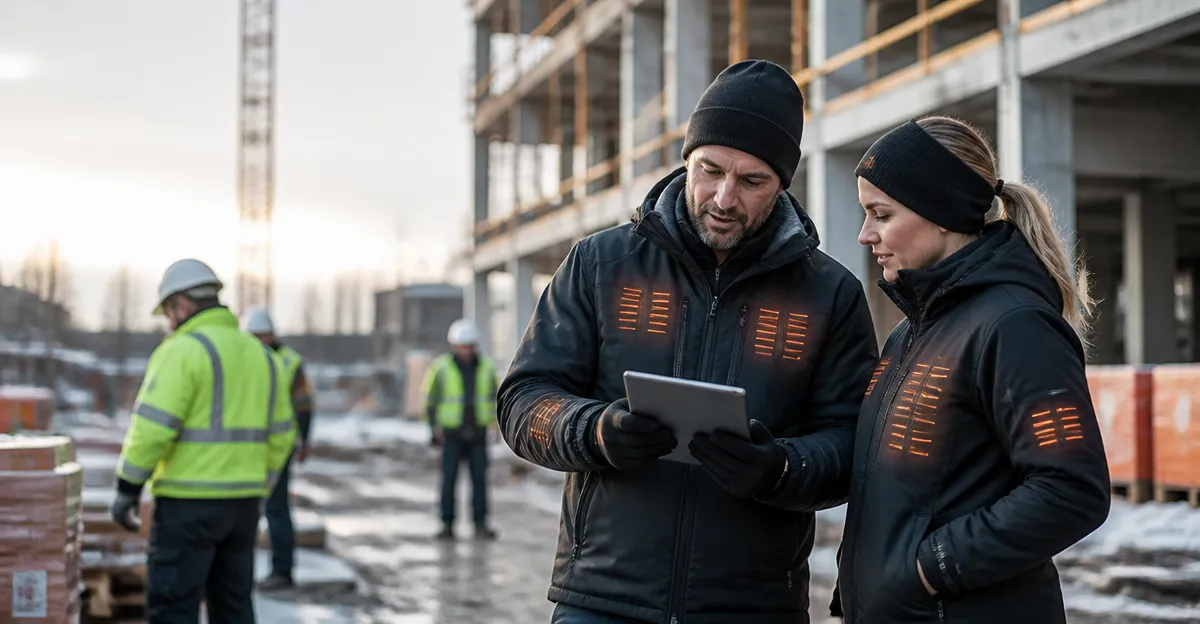
Employers who operate in cold environments face a unique set of challenges. Workers who are exposed to low temperatures are at higher risk of hypothermia, reduced productivity, and increased injury rates. This guide explains how a heated clothing subscription service can address those challenges while delivering measurable cost savings. Readers will learn the regulatory background, how to design a program, which products provide the best value, and practical tips for successful implementation.
Throughout the guide, specific product examples are referenced to illustrate how technology can be integrated into a workplace safety strategy. The information is intended for human resources managers, safety officers, and procurement specialists who are responsible for employee well‑being and budget stewardship.
Background / Context
Cold‑weather occupational hazards are recognized by agencies such as the Occupational Safety and Health Administration (OSHA) and the National Institute for Occupational Safety and Health (NIOSH). Prolonged exposure to temperatures below 50°F (10°C) can impair dexterity, increase the likelihood of slips and falls, and exacerbate chronic conditions such as arthritis. Traditional mitigation methods include layered clothing, heated break areas, and scheduled warm‑up periods.
While effective, these approaches often involve high labor costs and limited flexibility. Heated garments, powered by portable battery packs, provide localized warmth directly to the core body zones that matter most. When offered as a subscription, the cost of the garments, maintenance, and battery replacement can be spread over time, allowing employers to budget predictably.
Key regulatory considerations include:
- Ensuring that heated apparel complies with electrical safety standards (e.g., UL, CE).
- Providing training on proper use, charging, and cleaning procedures.
- Documenting the provision of personal protective equipment (PPE) for compliance audits.
By aligning a subscription model with these requirements, employers can create a defensible safety program that also enhances employee satisfaction.
Designing a Heated Clothing Subscription Program
Developing a successful subscription service involves several logical steps. The following sections outline each step, highlight strategic considerations, and recommend specific products where they add value.
- Assess Workforce Needs – Conduct a temperature exposure assessment for each job function. Outdoor field crews, warehouse staff, and indoor workers in unheated facilities may have different warmth requirements.
- Select Appropriate Garment Types – Choose between heated vests, hoodies, and base layers based on the level of activity and required mobility.
- Determine Subscription Structure – Decide whether to provide garments on a per‑employee basis, a pooled inventory model, or a hybrid approach. Include battery packs, replacement cycles, and cleaning services in the contract.
- Integrate Training and Documentation – Create concise user manuals, video tutorials, and safety checklists. Record issuance and return dates in an asset management system.
- Monitor Performance and Adjust – Track key metrics such as incident rates, employee satisfaction scores, and total cost of ownership. Use the data to refine the program annually.
Each step can be supported by specific product features. For example, garments with multiple heating zones and adjustable temperature levels allow workers to tailor warmth to fluctuating outdoor conditions.
Product Recommendations for Workplace Use
The following heated garments have been selected based on durability, user feedback, and ease of maintenance. The first mention of each product includes a direct Amazon link.
DR.PREPARE Heated Vest offers three temperature settings (High 131°F, Medium 122°F, Low 113°F) and six carbon‑fiber heating elements that target the neck, back, abdomen, and waist. At $54.99 and a 4.1‑star rating from 1,136 reviews, it provides a cost‑effective solution for workers who need core warmth without bulk. The vest is lightweight, water‑resistant, and features adjustable side zippers for a customized fit.
ORORO Women's Heated Vest incorporates a 4‑zone smart core heating system and includes a rechargeable 4800 mAh battery that delivers up to 10 hours of warmth on low. Priced at $149.99 with a 4.5‑star rating from 11,111 reviews, it is ideal for employees who require longer continuous operation, such as security personnel or outdoor sales teams. The vest’s FELLEX insulation adds lightweight thermal retention.
KOVNLO Women's Heated Vest features a 5‑in‑1 smart controller, eight heating zones, and a lights‑out design that conserves battery life. Although the battery pack is not included, the vest works with standard USB power banks. At $59.99 and a 4.4‑star rating from 2,012 reviews, it balances affordability with advanced control options.
WEERTI Men's Thermal Underwear Set is not a heated garment but serves as an essential base layer that enhances the efficiency of external heating devices. The fleece‑lined set costs $29.99, carries a 4.6‑star rating from 14,047 reviews, and provides moisture‑wicking, four‑way stretch for unrestricted movement.
Loowoko Heated Hoodie combines a hoodie style with six heating zones and includes a 10,000 mAh power bank. Priced at $89.99 and rated 4.1 stars from 170 reviews, it offers a versatile option for employees who prefer a casual silhouette while still receiving targeted warmth.
Comparison / Selection Guide
Employers can use the following table to compare key attributes of the recommended garments. The table highlights price, heating zones, battery inclusion, and suitability for various work environments.
| Product | Price (USD) | Heating Zones | Battery Included | Best For |
|---|---|---|---|---|
| DR.PREPARE Heated Vest | 54.99 | 6 (core and waist) | No | Cost‑conscious teams needing core warmth |
| ORORO Women's Heated Vest | 149.99 | 4 (collar, mid‑back, pockets) | Yes (4800 mAh) | Long‑duration outdoor shifts |
| KOVNLO Women's Heated Vest | 59.99 | 8 (full‑body) | No | Workers who already own power banks |
| WEERTI Men's Thermal Underwear Set | 29.99 | 0 (passive insulation) | N/A | Base layer to improve overall thermal efficiency |
| Loowoko Heated Hoodie | 89.99 | 6 (chest, back, neck, hood) | Yes (10,000 mAh) | Casual work environments and mixed indoor/outdoor duties |
When selecting a product, consider the following decision factors:
- Duration of exposure – Longer shifts favor garments with integrated batteries and higher capacity.
- Mobility requirements – Lightweight vests or hoodies allow unrestricted movement for manual labor.
- Budget constraints – Base layers such as the WEERTI set can reduce the required heating output, lowering overall spend.
- Maintenance capabilities – Choose garments that are machine‑washable or come with laundry bags to simplify cleaning.
Best Practices & Tips for Implementation
Employers should adopt a systematic approach to maximize the benefits of heated clothing subscriptions.
- Standardize Sizing and Fit – Conduct a sizing survey and provide adjustable garments (e.g., DR.PREPARE’s side zippers) to accommodate diverse body types.
- Establish Charging Stations – Install secure charging lockers near break rooms. Ensure that power banks are fully charged before each shift.
- Implement Cleaning Protocols – Use the laundry bags provided with the DR.PREPARE vest or follow manufacturer instructions for machine washing. Avoid bleach and high‑heat drying.
- Track Battery Health – Replace batteries after the manufacturer’s recommended cycle (typically 300‑500 charge cycles) to prevent sudden loss of heat.
- Educate Employees – Provide quick‑reference cards that illustrate temperature settings, safety warnings, and troubleshooting steps.
- Integrate with Safety Audits – Record the issuance of heated garments in the same system used for other PPE. Review incident logs quarterly to assess impact.
By following these practices, organizations can reduce the risk of cold‑related injuries, improve morale, and demonstrate a tangible commitment to employee welfare.
Frequently Asked Questions
- 1. Are heated garments considered personal protective equipment (PPE)?
- Yes. When used to mitigate cold‑induced hazards, heated clothing qualifies as PPE and should be documented accordingly.
- 2. How long does a typical battery last on a full shift?
- Battery life varies by temperature setting. For example, the ORORO vest provides up to 10 hours on low, while the Loowoko hoodie lasts approximately 8 hours on medium.
- 3. Can employees wash the garments in a commercial laundry?
- Most heated garments are machine‑washable when the battery pack is removed. The DR.PREPARE vest recommends using a laundry bag, and the Loowoko hoodie can be washed after detaching the power bank.
- 4. What safety certifications should I look for?
- Seek UL or CE certification for electrical safety, and verify that the product complies with relevant textile standards for flame resistance if required by the workplace.
- 5. How should I handle lost or damaged batteries?
- Maintain an inventory of spare batteries and establish a replacement policy. Most suppliers offer bulk battery packs at discounted rates for subscription programs.
- 6. Is there a tax advantage to providing heated clothing?
- In many jurisdictions, providing PPE, including heated garments, can be deducted as a business expense. Consult a tax professional for specific guidance.
Conclusion
Implementing a heated clothing subscription service enables employers to address cold‑weather hazards proactively, enhance worker comfort, and achieve measurable cost savings. By assessing workforce needs, selecting appropriate garments, and following best‑practice implementation steps, organizations can create a sustainable program that aligns with safety regulations and employee expectations. The product recommendations provided illustrate how technology can be integrated without compromising budgetary constraints.
Employers who adopt this approach will likely see reductions in injury reports, higher productivity during winter months, and improved employee retention. The strategic use of heated apparel, combined with proper training and maintenance, represents a forward‑looking investment in the health and performance of the workforce.
Products Featured in This Guide
DR.PREPARE Heated Vest
Price: $54.99 | Rating: 4.1/5 (1,136 reviews)
Featured because it offers an affordable, lightweight solution with three temperature levels and adjustable sizing, making it suitable for cost‑conscious workplaces.
ORORO Women's Heated Vest
Price: $149.99 | Rating: 4.5/5 (11,111 reviews)
Featured for its built‑in rechargeable battery, four‑zone heating system, and premium FELLEX insulation, ideal for long‑duration outdoor tasks.
KOVNLO Women's Heated Vest
Price: $59.99 | Rating: 4.4/5 (2,012 reviews)
Featured for its 5‑in‑1 smart controller, eight heating zones, and compatibility with standard USB power banks, providing flexibility for varied work settings.
WEERTI Men's Thermal Underwear Set
Price: $29.99 | Rating: 4.6/5 (14,047 reviews)
Featured as a high‑performance base layer that enhances the efficiency of external heated garments while remaining budget‑friendly.
Loowoko Heated Hoodie
Price: $89.99 | Rating: 4.1/5 (170 reviews)
Featured for its inclusive hoodie design, six heating zones, and bundled 10,000 mAh power bank, offering a versatile option for mixed indoor/outdoor roles.