Introduction
This guide examines the relationship between humidity and the performance of heated clothing. Readers will learn how moisture in the air affects thermal efficiency, battery longevity, and overall comfort. The article also highlights practical strategies and product recommendations that mitigate humidity‑related issues. By the end, one will be equipped to select and use heated apparel confidently in damp environments.
Background and Context
Heated garments rely on electrical heating elements, insulating fabrics, and rechargeable batteries to generate warmth. When humidity rises, moisture can infiltrate fibers, alter heat transfer, and increase electrical resistance. Understanding the physics of heat conduction, evaporation, and battery chemistry is essential for evaluating product performance. Additionally, modern designs incorporate water‑resistant shells and sealed battery compartments to counteract these effects.
How Humidity Impacts Thermal Insulation
Moisture reduces the insulating value of fabrics because water conducts heat more efficiently than air. In a dry environment, trapped air within fleece or synthetic layers provides the primary barrier against heat loss. When humidity rises, fibers absorb water, displacing air and accelerating heat dissipation. Consequently, a heated hoodie may feel cooler even though the heating element remains active.
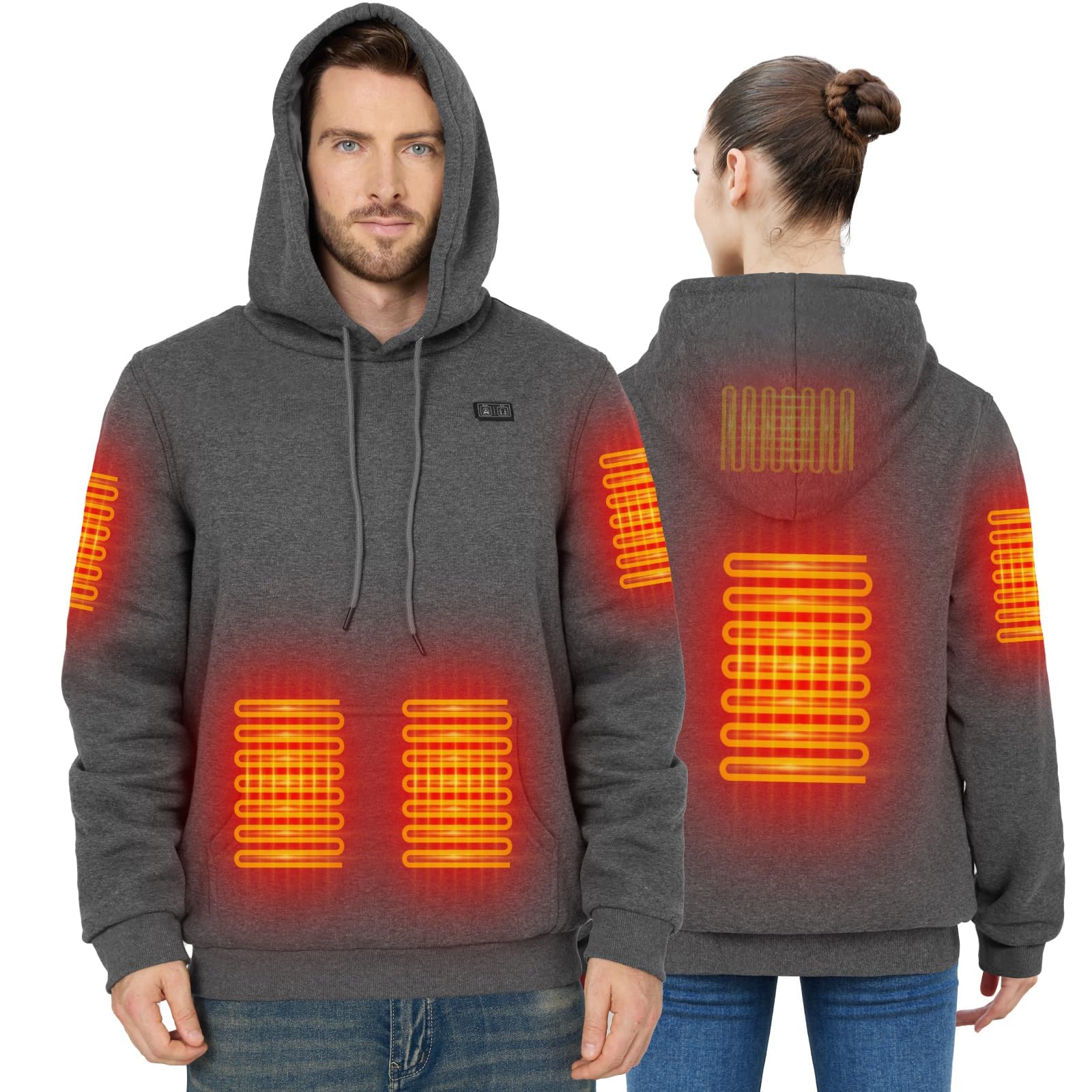
Manufacturers address this challenge by using hydrophobic outer shells and moisture‑wicking linings. For example, the Brimekey Heated Hoodie combines cotton, polyester, and wind‑proof material to limit moisture penetration while still delivering six heated zones. Its carbon‑fiber heating elements maintain consistent warmth across the neck, abdomen, back, and arms, even in damp conditions.
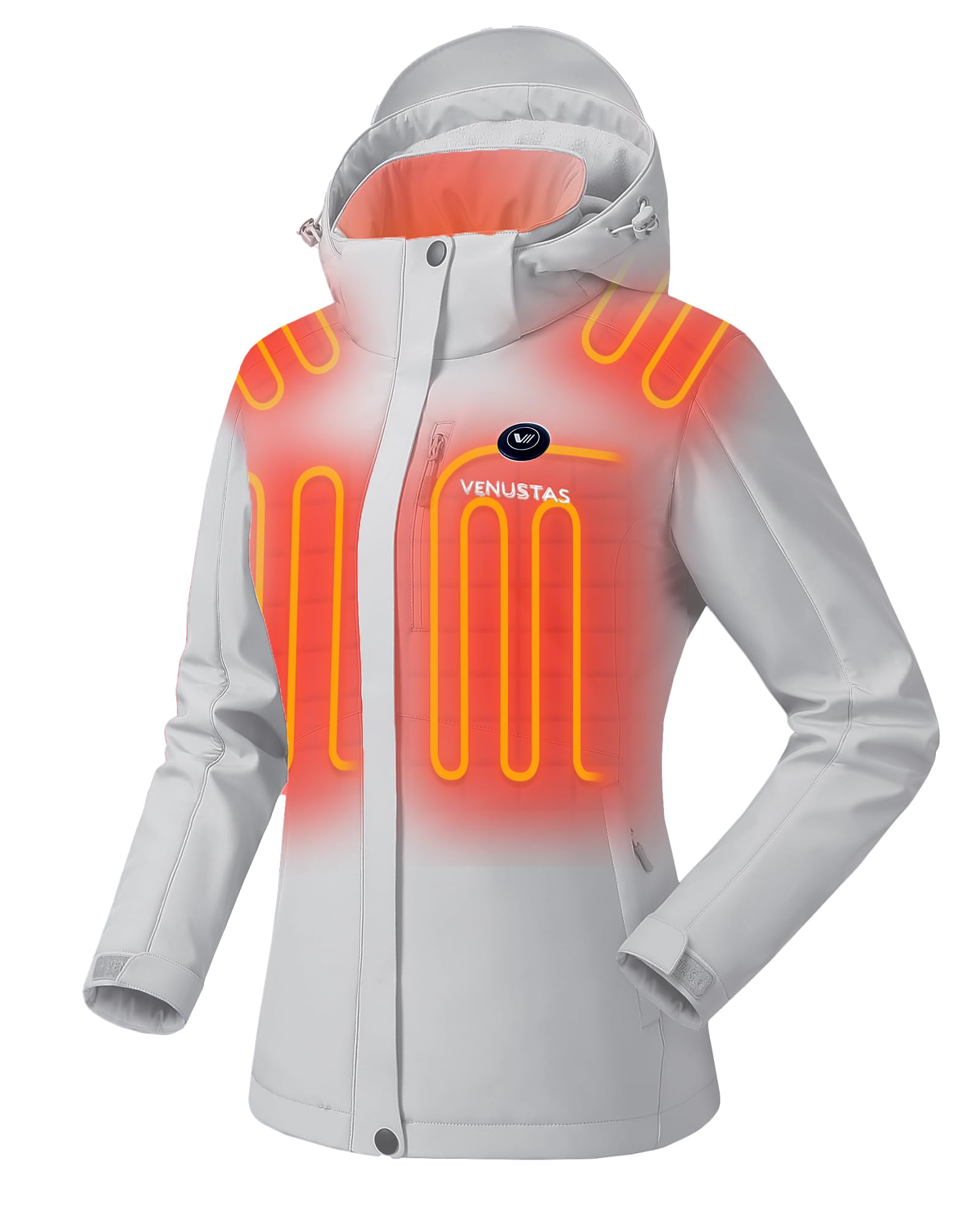
Another approach is to integrate a detachable hood with a waterproof membrane, as seen in the Venustas Women's Heated Jacket. The jacket’s waterproof and windproof outer layer prevents external moisture from reaching the heating zones, preserving thermal performance during rain or snow.
Effect of Humidity on Battery Life
Rechargeable lithium‑polymer batteries, common in heated apparel, are sensitive to temperature and moisture. High humidity can lead to condensation inside battery compartments, increasing the risk of short circuits and reducing charge capacity over time. Proper sealing and protective circuitry are therefore critical.
The Brimekey Heated Hoodie ships with a 20000 mAh 7.4 V battery that features over‑charge, over‑discharge, and short‑circuit protection. Its battery compartment is designed with a zippered, water‑resistant pocket, minimizing moisture ingress. Users report reliable operation for up to eight hours on a single charge, even in humid winter mornings.
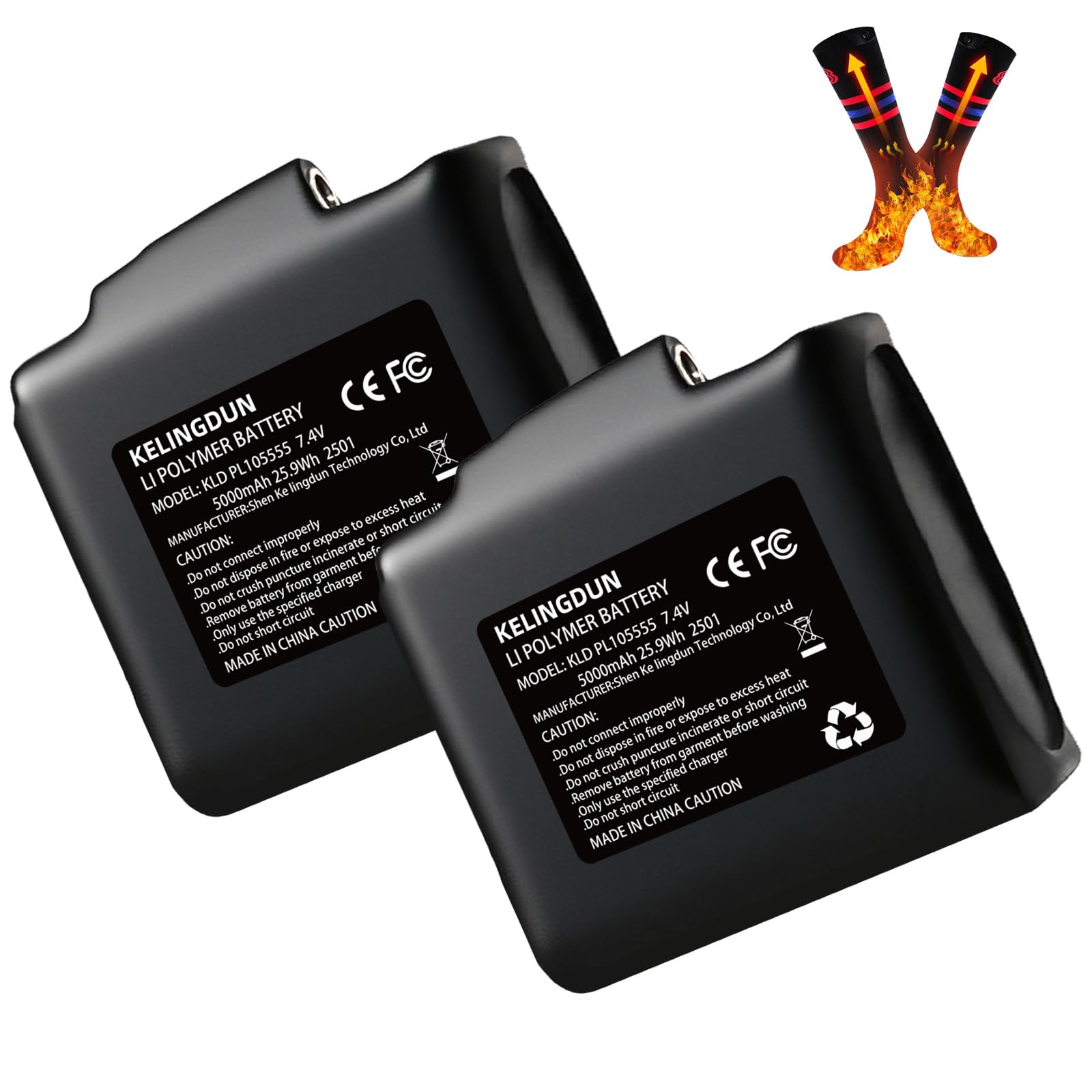
For accessories that power multiple garments, the Kelingdun 5000 mAh Heated Batteries provide a robust solution. These Li‑Polymer cells are UL and FCC certified, include built-in thermal protection, and can operate safely between –20 °C and +60 °C. Their sealed design ensures that condensation does not compromise performance, making them ideal for high‑humidity outdoor activities.
Comfort and Moisture Management
Comfort in heated clothing hinges on the ability to manage sweat and external moisture. When humidity is high, sweat evaporates more slowly, leading to a clammy feeling. Fabrics that wick moisture away from the skin and dry quickly are essential.
The Telguua Heated Gloves exemplify this principle. Constructed with a 150D Oxford outer layer, a soft fleece interior, and a TPU waterproof membrane, the gloves keep hands dry while allowing heat to circulate. Their 5500 mAh battery delivers three heat settings for up to eight hours, and the touchscreen‑compatible fingertips maintain usability in wet conditions.
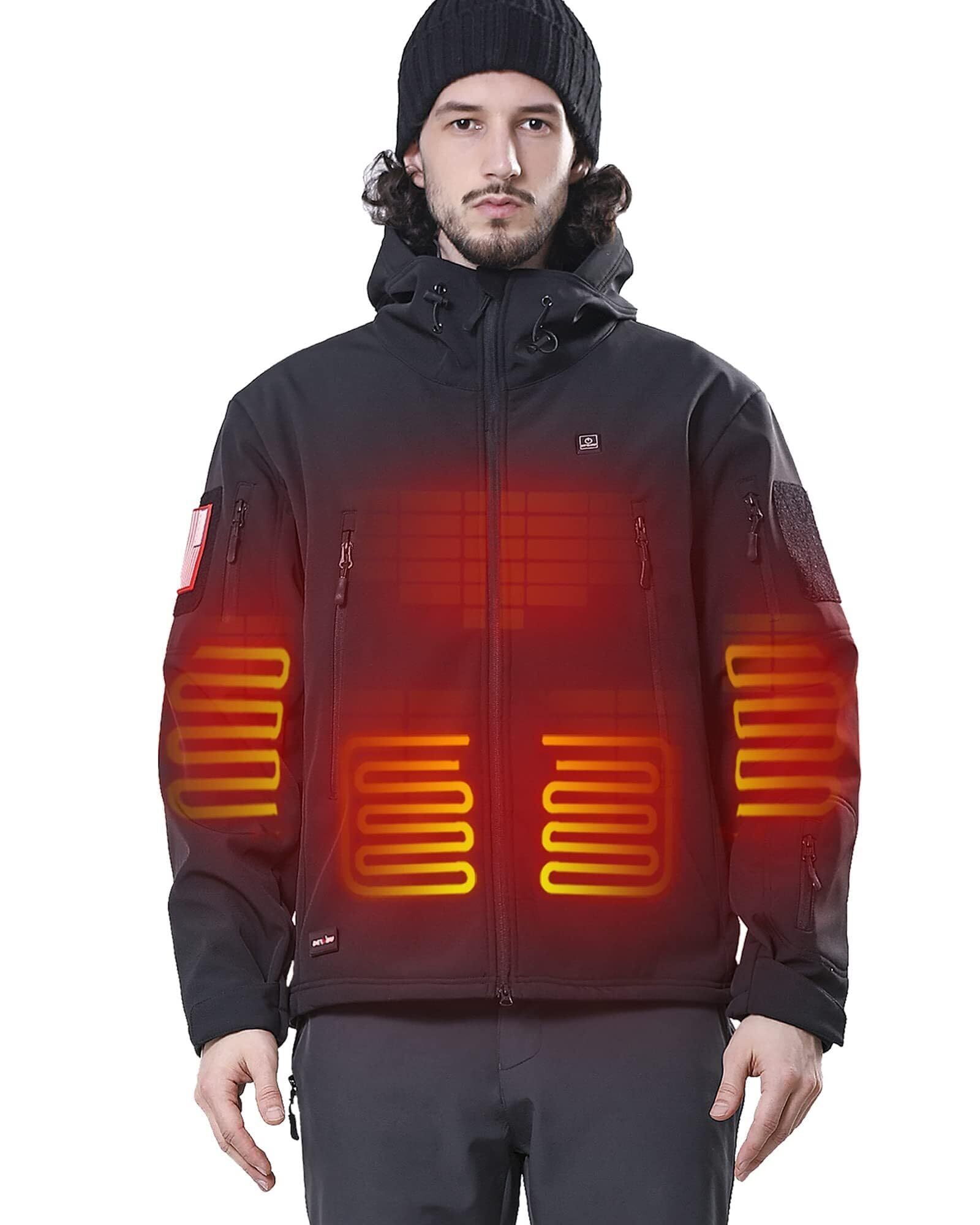
Similarly, the DEWBU Heated Jacket employs a soft‑shell exterior that repels water while remaining breathable. The jacket’s integrated 12 V battery pack is sealed, and its heating zones cover the torso and back, ensuring consistent warmth without trapping sweat.
Comparison and Selection Guide
Choosing the right heated apparel depends on three criteria: humidity resistance, battery capacity, and heating coverage. The table below summarizes key specifications of the featured products.
| Product | Heating Zones | Battery Capacity | Humidity Protection | Average Rating |
|---|---|---|---|---|
| Brimekey Heated Hoodie | 6 (neck, abdomen ×2, back, arms ×2) | 20000 mAh / 7.4 V | Wind‑proof outer shell, zippered water‑resistant battery pocket | 4.5/5 (83 reviews) |
| DEWBU Heated Jacket | 4 (torso, back) | 12 V integrated pack (capacity not disclosed) | Soft‑shell water‑repellent exterior | 4.4/5 (7,940 reviews) |
| Venustas Women's Heated Jacket | Multiple (custom zones) | Battery pack (capacity not disclosed) | Waterproof & windproof membrane | 4.3/5 (3,056 reviews) |
| Telguua Heated Gloves | Full‑hand (6 layers) | 5500 mAh / 7.4 V | Oxford outer, TPU waterproof layer | 4.2/5 (1,192 reviews) |
| Kelingdun Heated Batteries | N/A (accessory) | 5000 mAh / 7.4 V each (2 pcs) | UL‑certified, sealed housing | 4.4/5 (74 reviews) |
For users who prioritize humidity resistance, the Venustas jacket and Telguua gloves offer the most robust waterproof construction. If battery endurance is paramount, the Brimekey hoodie’s large 20000 mAh pack provides the longest runtime. Outdoor enthusiasts who need modular power can combine the Kelingdun batteries with any compatible heated garment.
Best Practices & Tips
- Store batteries at 40‑60% charge during prolonged inactivity to prevent capacity loss.
- Allow heated garments to dry completely before charging; moisture inside a battery compartment can cause short circuits.
- Use the low or medium heat setting in high humidity to conserve battery life while still maintaining comfort.
- Layer moisture‑wicking base layers beneath heated apparel to move sweat away from the skin.
- Periodically inspect seals and zippers for wear; replace damaged components to maintain water resistance.
Frequently Asked Questions
1. Does humidity reduce the heat output of carbon‑fiber heating elements?
Carbon‑fiber elements generate heat through electrical resistance, which is not directly affected by ambient humidity. However, moisture on the fabric surface can draw heat away faster, making the garment feel cooler.
2. Can I charge a heated jacket in the rain?
Never charge a garment while it is wet. Even if the battery housing is sealed, external moisture can seep into connectors, posing a safety risk.
3. How long will a 20000 mAh battery last in humid conditions?
In typical winter humidity (70‑80% relative humidity), the Brimekey hoodie’s battery provides approximately 6‑8 hours on the high setting, slightly less than in dry air due to increased heat loss.
4. Are heated gloves safe for people with Raynaud’s syndrome?
Yes, the Telguua Heated Gloves provide consistent low‑level heat that improves peripheral circulation. Users should start with the low setting and monitor comfort.
5. What maintenance steps extend battery life?
Store batteries partially charged, avoid extreme temperatures, and keep contacts clean. Regularly update firmware if the manufacturer provides it.
Conclusion
Humidity influences heated clothing by affecting insulation, battery efficiency, and wearer comfort. Selecting garments with waterproof shells, sealed batteries, and moisture‑wicking interiors mitigates these challenges. By applying the best‑practice tips and choosing products such as the Brimekey Heated Hoodie, DEWBU Heated Jacket, Venustas Women's Heated Jacket, Telguua Heated Gloves, and Kelingdun Heated Batteries, one can enjoy reliable warmth even in damp winter conditions.
Products Featured in This Guide
Brimekey Heated Hoodie
Price: $59.99 | Rating: 4.5/5 (83 reviews)
Featured for its large 20000 mAh battery, six heating zones, and water‑resistant battery pocket, making it ideal for humid winter use.
DEWBU Heated Jacket
Price: $149.99 | Rating: 4.4/5 (7,940 reviews)
Featured for its soft‑shell, water‑repellent exterior and integrated 12 V battery, providing reliable warmth in damp environments.
Venustas Women's Heated Jacket
Price: $149.99 | Rating: 4.3/5 (3,056 reviews)
Featured for its waterproof, windproof membrane and detachable hood, delivering consistent heat during rainy or snowy conditions.
Telguua Heated Gloves
Price: $69.99 | Rating: 4.2/5 (1,192 reviews)
Featured for its six‑layer construction, 5500 mAh battery, and touchscreen‑compatible fingertips, ideal for cold, humid hand protection.
Kelingdun Heated Batteries
Price: $31.99 | Rating: 4.4/5 (74 reviews)
Featured for its UL‑certified, sealed design and 5000 mAh capacity, providing reliable power for heated garments in humid conditions.