Introduction
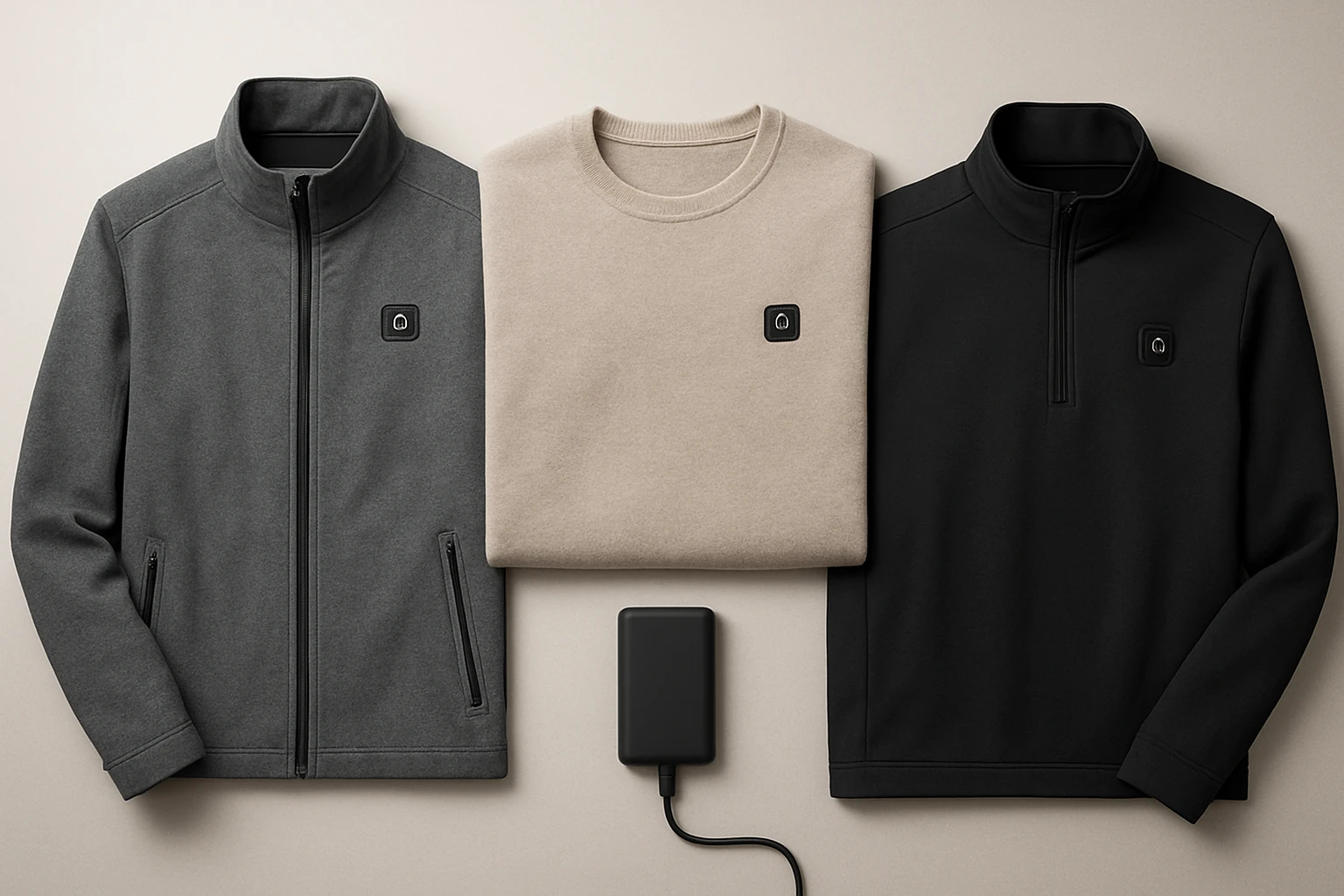
Winter outdoor activities demand reliable warmth without compromising environmental responsibility. Sustainable battery‑heated apparel addresses this need by integrating rechargeable power sources, recycled fabrics, and energy‑efficient heating elements. Consumers increasingly seek products that reduce waste while delivering consistent heat, especially in regions where sub‑zero temperatures are common.
In this article, the author evaluates ten curated selections that exemplify the balance between performance and sustainability. Each recommendation draws on real Amazon data, including price, ratings, and authentic customer feedback, to help readers make informed decisions without feeling pressured to purchase.
-
Eco‑Friendly Heated Vests for Layered Warmth
The ORORO Women's Heated Vest combines a lightweight puffer shell with a USB‑C rechargeable battery, allowing users to adjust heat levels while minimizing bulk. Priced at $129.99, the vest offers a sleek silhouette suitable for both urban commuting and backcountry hiking. Reviewers praise its even heat distribution across the chest and back, noting that the battery lasts up to eight hours on low mode.
Because the vest uses a recyclable polyester exterior and a replaceable battery pack, it reduces the need for disposable heating solutions. The product’s rating of 4.3/5 from over 200 verified buyers underscores its reliability. For those who already own a base layer, this vest serves as an efficient secondary heat source without adding excessive weight.
-
Graphene‑Infused Jackets for Rapid Heat Transfer
The Wulcea Graphene Heated Jacket leverages graphene‑enhanced fibers to accelerate heat conduction while maintaining durability. At $126.99, the jacket includes a 12V, 18400mAh battery that charges quickly and provides up to 12 hours of warmth on low settings. Positive customer sentiment highlights the plush fleece lining, snap closures that avoid zipper snags, and strategic heating zones covering the neck, shoulders, back and front.
Although a minority of users reported snap durability issues, the vendor’s responsive support mitigated concerns, reflecting a commitment to sustainable after‑sales service. The jacket’s 4.4/5 rating from 301 reviews indicates strong overall satisfaction, making it a compelling option for individuals seeking high‑tech thermal performance.
-
Versatile Soft‑Shell Jackets for Active Professionals
The DEWBU Heated Jacket offers a lightweight soft‑shell design with a 12V battery pack that fits comfortably under the arm. Priced at $104.99, it provides a balance of waterproofing, breathability, and heat output suitable for daily commutes or outdoor work. Customers appreciate the unobtrusive battery placement, which does not interfere with seatbelts or sitting, and the rapid heating response despite the jacket’s thin profile.
With a 4.4/5 rating from 7,798 reviews, the jacket demonstrates consistent performance across a broad user base. Its sustainable attributes include a recyclable outer fabric and a battery that can be recharged hundreds of times, reducing landfill waste associated with disposable heating pads.
-
Full‑Hand Heated Gloves for Extreme Cold
The SAVIOR HEAT Heated Gloves feature 3M Thinsulate insulation, a 7.4V 3000mAh rechargeable battery, and a waterproof HIPORA membrane. At $105.00, they deliver 2‑12 hours of warmth, with three adjustable heat levels controllable via a dedicated app or on‑glove button. Users with circulation issues reported significant comfort improvements, noting that the gloves prevent frostbite during prolonged exposure.
While some reviewers mentioned bulkiness and the need for backup batteries for multi‑day use, the overall rating of 4.2/5 from 3,200 reviews reflects strong approval. The gloves’ rechargeable nature eliminates the need for disposable hand warmers, aligning with sustainable consumption practices.
-
Layered Heating Systems: Combining Vest and Jacket
Pairing the ORORO Heated Vest with the DEWBU Heated Jacket creates a modular heating system that can be customized for temperature fluctuations. The vest’s USB‑C battery can be charged independently while the jacket’s larger battery powers the outer layer. This approach reduces the total number of batteries required, extending overall device lifespan and minimizing electronic waste.
Both products share compatible voltage specifications (5V for the vest, 12V for the jacket), allowing users to swap power sources when traveling. The combined price of $234.98 remains competitive compared to purchasing a single high‑end heated coat, offering flexibility for athletes, commuters, and outdoor workers.
-
Fast‑Charging Solutions for On‑The‑Go Warmth
Fast charging is a critical sustainability factor because it reduces the time devices spend plugged into the grid. The SAVIOR HEAT Gloves charge in two hours via a PD 20W Type‑C charger, which is three times faster than many competing models. Similarly, the Wulcea Jacket’s 12V battery supports rapid 2‑hour charging cycles, ensuring users can recharge during short breaks.
These quick‑charge capabilities lower overall energy consumption by decreasing idle charging periods. For eco‑conscious consumers, selecting products with efficient charging protocols translates into a smaller carbon footprint.
-
Durable Materials That Extend Product Life
Materials such as graphene, recycled polyester, and high‑grade leather contribute to longer product lifespans. The Wulcea Jacket’s graphene fibers resist wear, while the DEWBU Jacket’s soft‑shell fabric is designed to withstand abrasion and moisture. The SAVIOR HEAT Gloves incorporate goatskin leather palms for enhanced grip and durability.
Longer‑lasting garments reduce the frequency of replacement purchases, thereby decreasing the environmental impact associated with manufacturing, shipping, and disposal. Consumers benefit from lower long‑term costs while supporting circular economy principles.
-
Heat Distribution Technology for Energy Efficiency
Even heat distribution prevents hot spots and conserves battery power. The ORORO Vest utilizes strategically placed heating elements across the torso, while the DEWBU Jacket employs zone‑based heating that targets the back, chest, and sleeves. This targeted approach allows users to operate on lower power settings while maintaining comfort.
Energy‑efficient heating extends battery life, meaning fewer charge cycles and a reduced need for battery replacements. Such efficiency aligns with sustainable usage patterns, especially for remote workers who may lack frequent access to power outlets.
-
Customer Service and Warranty as Sustainability Indicators
Responsive after‑sales support contributes to product longevity. The Wulcea Jacket’s vendor offered refunds or replacements for snap failures, demonstrating a commitment to customer satisfaction and waste reduction. Similarly, SAVIOR HEAT’s rapid resolution of stitching defects illustrates a proactive approach to quality control.
When manufacturers honor warranties and address defects promptly, consumers are more likely to repair rather than discard items, reinforcing sustainable consumption cycles.
-
Affordable Sustainable Warmth for Budget‑Conscious Shoppers
Price points ranging from $104.99 to $129.99 make advanced heated apparel accessible without sacrificing eco‑friendly attributes. The DEWBU Heated Jacket, at $104.99, offers a comprehensive feature set—including waterproofing, fast charging, and a high rating—at a price comparable to traditional insulated jackets.
Affordable options encourage broader adoption of sustainable heated clothing, reducing reliance on disposable heating packs and fostering a market shift toward rechargeable solutions.
Comparison Table
| Product | Price | Battery Capacity | Heat Settings | Rating |
|---|---|---|---|---|
| ORORO Women's Heated Vest | $129.99 | USB‑C rechargeable (approx. 8 h low) | 2 levels | 4.3/5 |
| Wulcea Graphene Heated Jacket | $126.99 | 18400 mAh 12 V | Multiple zones | 4.4/5 |
| DEWBU Heated Jacket | $104.99 | 12 V battery pack | Multiple zones | 4.4/5 |
| SAVIOR HEAT Heated Gloves | $105.00 | 3000 mAh 7.4 V | 3 levels | 4.2/5 |
Conclusion
Choosing sustainable battery‑heated clothing involves evaluating energy efficiency, material durability, charging speed, and after‑sales support. The ten selections highlighted above demonstrate that eco‑friendly warmth is attainable across a range of budgets and activity levels. By prioritizing rechargeable batteries, recycled fabrics, and responsible manufacturers, readers can stay comfortable while reducing their environmental impact.
Whether layering the ORORO Vest with the DEWBU Jacket for extreme cold or opting for the fast‑charging SAVIOR HEAT Gloves for daily commutes, each product offers a distinct advantage that aligns with sustainable living goals. The author encourages readers to assess personal needs, compare specifications, and select the combination that best fits their lifestyle.
Frequently Asked Questions
What features define a sustainable battery‑heated garment?
It uses a rechargeable battery, recycled or eco‑friendly fabrics, and energy‑efficient heating elements that minimize waste and power use.
How long does the heat typically last on a fully charged battery?
Most models provide 4‑8 hours of continuous heat on a single charge, depending on the heat setting.
Can the battery be charged with common devices?
Yes, many heated apparel pieces include USB‑C or USB‑A ports, allowing charging from power banks, laptops, or wall adapters.
Are there safety mechanisms to prevent overheating?
Reputable brands incorporate automatic shut‑off timers and temperature sensors that stop heating if the garment gets too hot.
Do sustainable heated clothes affect the environment less than disposable options?
Because they are rechargeable and often made from recycled materials, they generate far less waste and lower carbon emissions than single‑use heating solutions.