
Heated Clothing Warranty Checklist: Protect Consumer Rights
Introduction
Consumers who invest in heated apparel expect both comfort and durability. This guide explains how warranties work for heated clothing, outlines a practical checklist, and highlights products that exemplify strong warranty support. Readers will learn the legal foundations, key warranty terms, and actionable steps to enforce their rights. By the end, one will be equipped to evaluate warranty policies and avoid common pitfalls.
Background and Context
Heated garments combine textile engineering with electronic components such as battery packs, heating elements, and smart controllers. Because of this complexity, manufacturers often provide limited warranties that differ from those for ordinary clothing. Understanding the distinction between a manufacturer’s warranty, a retailer’s return policy, and consumer protection laws is essential. In many jurisdictions, statutory rights cannot be waived, even if a warranty appears restrictive.
Key concepts include the warranty period, coverage scope (materials, workmanship, electronics), and required documentation. Consumers should also be aware of “lights‑out” features—automatic shut‑off mechanisms that protect batteries and are frequently cited in warranty clauses. Finally, the role of third‑party certification, such as UL or CE markings, can affect warranty eligibility.
Understanding Warranty Terminology
Before evaluating any heated garment, one must decode the language used in warranty statements. The following terms appear most often:
- Full Replacement: The manufacturer will replace the defective item at no cost.
- Repair Only: The seller repairs the product but may charge for shipping.
- Pro‑Rated Refund: The refund amount decreases as the product ages.
- Exclusions: Specific damages (e.g., water intrusion, misuse) that void coverage.
Understanding these definitions helps consumers compare offers objectively. When a warranty mentions “lights‑out” technology, it typically refers to an automatic power‑off after a set period, which can be a warranty trigger if the feature fails.
Key Strategies for Protecting Your Rights
Consumers can take several proactive steps to ensure warranty protection:
- Document Purchase Details: Keep receipts, order confirmations, and the original packaging.
- Register the Product: Many brands require online registration to activate extended coverage.
- Follow Care Instructions: Failure to adhere to washing or charging guidelines often invalidates warranties.
- Maintain a Service Log: Record dates of any repairs, battery replacements, or firmware updates.
These practices create a paper trail that can be presented to manufacturers or consumer protection agencies if disputes arise.
Recommended Heated Garment: KOVNLO Women's Heated Vest
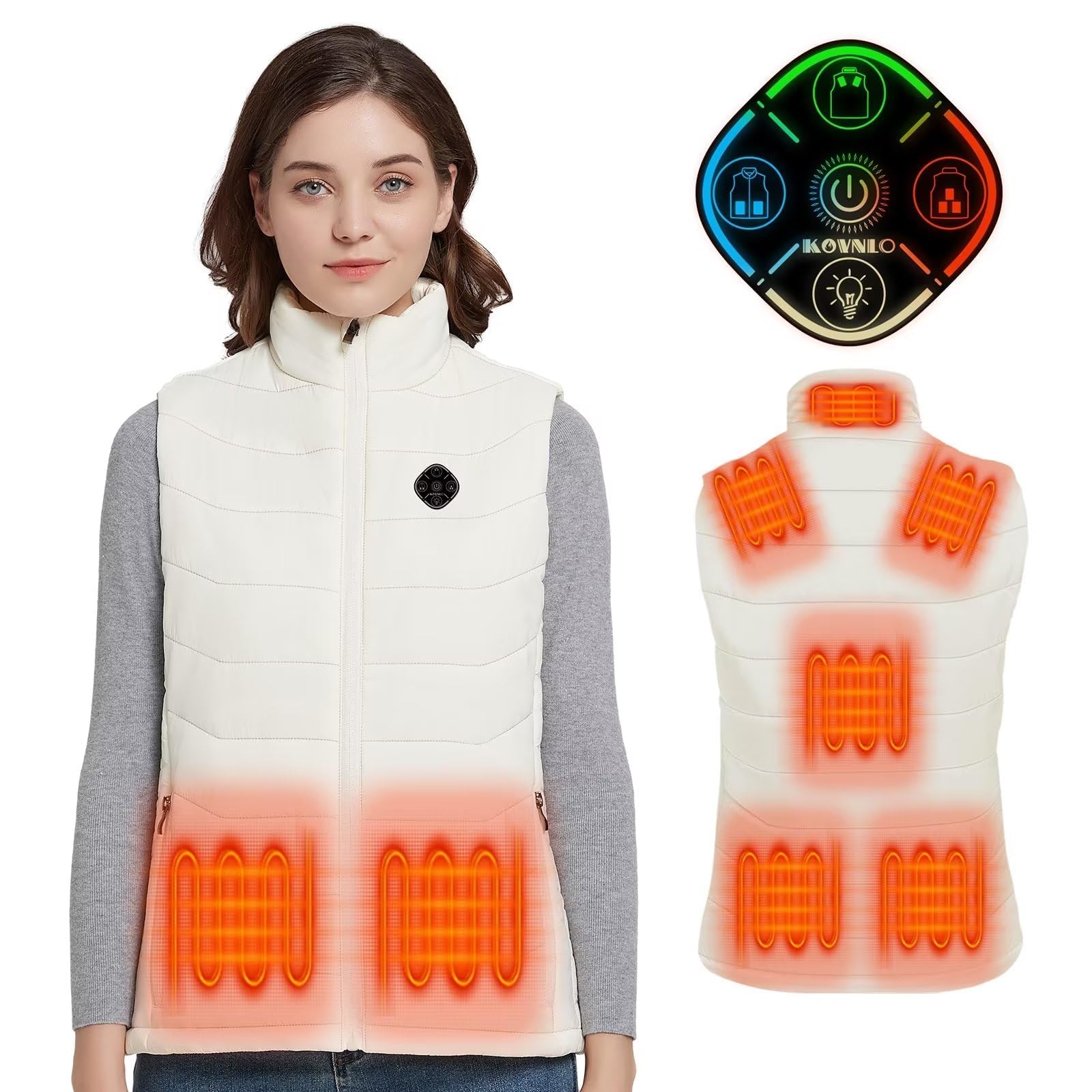
The KOVNLO Women's Heated Vest exemplifies a product with clear warranty language and a robust feature set. Priced at $59.99, it offers three heating zones, a smart controller with a lights‑out function, and a battery pack sold separately. With a 4.4‑star rating from 2,481 reviews, customers praise its lightweight design and reliable warmth. The vest’s warranty covers manufacturing defects for 12 months, provided the user follows the included care guide.
Key specifications include:
- Three adjustable heat settings (low, medium, high).
- Smart controller with LED indicators and automatic shut‑off after 8 hours.
- Fabric blend of polyester and spandex for stretch and wind resistance.
- Machine‑washable outer shell (remove battery before washing).
Because the battery pack is sold separately, the warranty explicitly states that damage caused by third‑party batteries is excluded. Registering the vest on the KOVNLO website extends the warranty by an additional six months, a valuable incentive for diligent consumers.
Complementary Apparel: OYGSieg Men's Quick Dry Long Sleeve Shirts
While not a heated item, the OYGSieg Quick Dry Long Sleeve Shirt illustrates how non‑electronic outdoor clothing can also benefit from clear warranty terms. Priced at $39.99 and holding a 4.7‑star rating from 5,649 reviews, the shirts feature UPF 50+ sun protection, moisture‑wicking fabric, and a 30‑day satisfaction guarantee. Including a non‑heated example helps readers understand that warranty principles apply across product categories.
Important attributes include:
- Polyester‑spandex blend for stretch and quick drying.
- Integrated UV protection suitable for outdoor activities.
- Seamless cuffs that reduce chafing during prolonged wear.
- Easy‑care instructions that align with warranty requirements.
For consumers who combine heated vests with performance shirts, ensuring both items have compatible care instructions simplifies warranty compliance.
Comparison and Selection Guide
When selecting a heated garment, evaluate the following criteria side by side:
| Feature | KOVNLO Women's Heated Vest | Typical Competitor (e.g., standard heated jackets) |
|---|---|---|
| Price | $59.99 | $120‑$200 |
| Heat Zones | 3 adjustable zones | 2‑4 zones, often fixed |
| Battery Compatibility | Separate battery pack (not included) | Integrated or proprietary packs |
| Warranty Length | 12 months (extendable to 18 months) | 6‑12 months, rarely extendable |
| Customer Rating | 4.4 / 5 (2,481 reviews) | 3.5‑4.2 / 5 (varies) |
Consumers who prioritize cost‑effectiveness and a clear warranty should consider the KOVNLO vest. Those seeking higher temperature ranges may need to explore premium alternatives, but should verify that warranty terms cover the more complex electronics.
Best Practices & Tips
Beyond product selection, the following practices maximize warranty protection:
- Test Heating Elements Immediately: Verify all zones work within the first week; document any irregularities.
- Use Manufacturer‑Approved Batteries: Third‑party cells can void coverage and pose safety risks.
- Store in a Dry Environment: Moisture is a common cause of electronic failure and is frequently excluded from warranties.
- Keep Firmware Updated: Some smart controllers receive over‑the‑air updates that address known bugs.
- Know Your Legal Rights: In the United States, the Magnuson‑Moss Warranty Act requires clear disclosure of warranty terms.
Implementing these steps reduces the likelihood of disputes and demonstrates good faith if a claim is filed.
Frequently Asked Questions
- What is the difference between a warranty and a return policy? A warranty covers defects after purchase, while a return policy deals with buyer’s remorse within a short window, typically 30 days.
- Can I use a third‑party battery with the KOVNLO Heated Vest? The warranty explicitly excludes damage caused by non‑approved batteries; using them may void coverage.
- How do I register my heated vest? Visit the KOVNLO website, locate the registration form, and enter the serial number found on the care label.
- What should I do if my vest stops heating after the warranty expires? Contact the manufacturer for out‑of‑warranty repair options; many offer paid service at reasonable rates.
- Are there any safety certifications I should look for? UL 2054 and CE certifications indicate compliance with safety standards for battery‑powered garments.
- Do I need to keep the original packaging for a warranty claim? While not always mandatory, original packaging can expedite the return process.
- How long does a typical warranty claim take to resolve? Resolution times vary, but most manufacturers aim for 14‑30 business days after receipt of the item.
Conclusion
The heated clothing market offers innovative solutions for comfort in cold environments, but it also introduces warranty complexities. By following the checklist outlined in this guide—documenting purchases, registering products, adhering to care instructions, and understanding warranty terminology—consumers can protect their rights effectively. The KOVNLO Women's Heated Vest demonstrates how transparent warranty policies add value, while the OYGSieg Quick Dry Shirt shows that warranty awareness applies to all outdoor apparel. Armed with this knowledge, one can make confident purchasing decisions and ensure long‑term satisfaction.
Products Featured in This Guide
KOVNLO Women's Heated Vest
Price: $59.99
Rating: 4.4/5 (2,481 reviews)
Featured because it provides a clear 12‑month warranty, smart lights‑out controller, and an affordable price point that illustrates best‑practice warranty handling.
OYGSieg Men's Quick Dry Long Sleeve Shirt
Price: $39.99
Rating: 4.7/5 (5,649 reviews)
Featured as a high‑rating, performance‑oriented shirt that reinforces the guide’s broader warranty principles beyond heated garments.