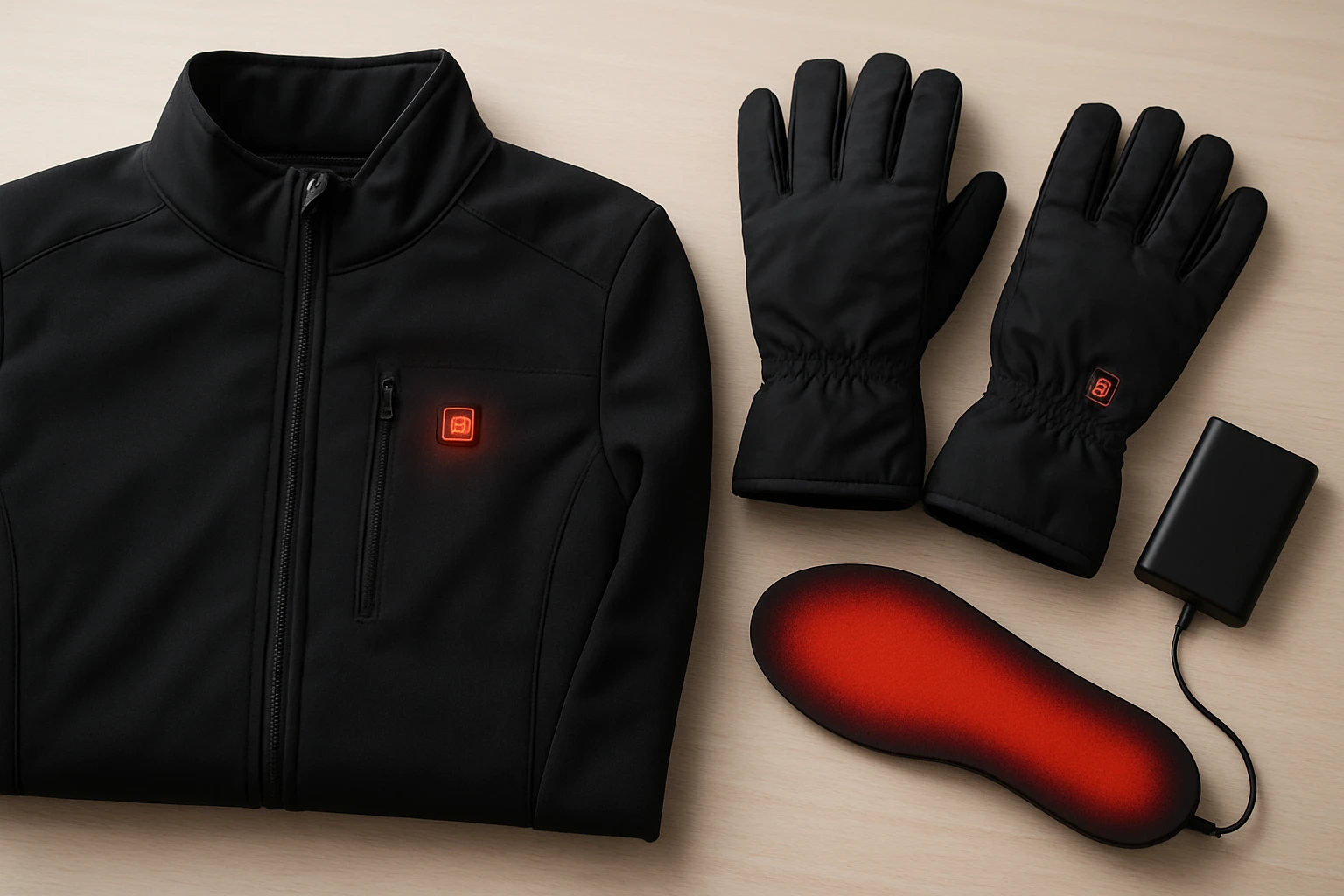
The Complete Buying Guide to Heated Clothing for Peripheral Neuropathy: Choose the Best Heated Apparel for Pain Relief and Comfort
Introduction
Peripheral neuropathy often manifests as chronic cold‑induced pain, tingling, or numbness in the hands and feet. Heated clothing offers a non‑pharmacological method to improve circulation and alleviate discomfort. This guide explains the physiological basis of heat therapy, outlines critical product attributes, compares leading Amazon options, and provides practical advice for safe and effective use. Readers will leave with a clear framework for selecting heated apparel that matches their medical needs, lifestyle, and budget.
One will find a balanced discussion of technology, safety standards, and real‑world performance. The guide also highlights three highly rated Amazon products that have received positive customer sentiment for warmth, durability, and battery life. By the end of the article, one will be equipped to make an informed purchase that supports long‑term neuropathy management.
Background and Context
Peripheral neuropathy results from damage to peripheral nerves, frequently caused by diabetes, chemotherapy, or autoimmune disorders. Reduced blood flow and impaired nerve signaling increase sensitivity to cold, which can exacerbate pain. Applying external heat dilates blood vessels, enhances microcirculation, and may temporarily reduce nociceptive signaling. Clinical guidelines recommend heat therapy for short periods, typically 15‑30 minutes, to avoid skin burns.
Heated garments integrate flexible heating elements powered by rechargeable batteries. The elements are usually carbon‑fiber or metallic polymer strips sewn into fabric panels. When activated, they generate low‑level radiant heat that penetrates the skin without excessive temperature spikes. Modern designs include adjustable heat settings, safety cut‑offs, and insulated battery compartments to protect the wearer.
Key safety considerations include battery certification, waterproofing, and the ability to monitor temperature. Users with reduced sensation should verify that the garment does not exceed safe temperature thresholds, generally below 45 °C (113 °F). Understanding these fundamentals enables one to evaluate product claims critically.
Understanding Heated Clothing Technology
Heated apparel can be categorized by power source, heating element type, and control interface. The most common power sources are lithium‑ion battery packs ranging from 5 Ah to 20 Ah, delivering voltages between 5 V and 12 V. Higher voltage systems, such as the 12 V pack found in the DEWBU Men's Heated Jacket, provide rapid heat but may require larger batteries.
Heating elements differ in flexibility and heat distribution. Carbon‑fiber strips are thin and conform to body contours, while metallic polymer panels may produce more intense localized warmth. For neuropathy, even heat distribution across the extremities is preferable to avoid hotspots that could cause skin irritation.
Control interfaces include manual switches, button‑based heat level selectors, and Bluetooth‑enabled apps. Manual controls are reliable and do not depend on a smartphone connection, whereas app‑based systems can offer timers and temperature monitoring. Users should select a control method that aligns with their comfort level and daily routine.
Key Features to Consider When Selecting Heated Apparel
- Battery Capacity and Runtime: Measured in milliampere‑hours (mAh) or ampere‑hours (Ah). Longer runtime reduces the need for frequent recharging, which is crucial for all‑day outdoor activities.
- Heat Settings: Multiple levels allow one to start with low heat for circulation and increase to higher settings for acute pain episodes.
- Material and Insulation: Sherpa fleece, soft‑shell, or puffer fabrics provide additional passive warmth and comfort.
- Water Resistance: A waterproof or water‑repellent outer layer protects the heating elements and battery during rain or snow.
- Safety Features: Automatic shut‑off, temperature regulation, and certified batteries (UL, CE) minimize risk of overheating.
- Fit and Layering Capacity: Sufficient room for base layers without compromising heat panel contact.
Evaluating each attribute against personal needs will narrow the field of suitable garments.
Product Recommendations for Peripheral Neuropathy
The following products have demonstrated high customer satisfaction, robust battery performance, and construction qualities that align with neuropathy management.
1. Hecusma Sherpa Heated Fleece Vest
The Hecusma Sherpa Heated Fleece Vest combines a soft Sherpa interior with a 16000 mAh 7.4 V battery pack included in the purchase. It offers four heating zones that can be adjusted to low, medium, or high settings, providing all‑day warmth for individuals who experience persistent cold in the torso and arms. The vest is rated 4.5 out of 5 stars based on 307 reviews, indicating consistent performance and durability. Priced at $105.99, it represents a cost‑effective solution for users seeking a balance between warmth and portability.
Key specifications:
- Battery: 16000 mAh, 7.4 V lithium‑ion pack
- Heat Levels: Three adjustable settings
- Material: Sherpa fleece exterior, breathable inner lining
- Weight: Lightweight, suitable for layering under jackets
- Safety: Over‑heat protection and automatic shut‑off
Customer feedback emphasizes the vest’s softness, reliable battery life lasting most of the day, and suitability for outdoor activities such as dog walks or cycling.
2. ORORO Women's Heated Puffer Vest
The ORORO Women's Heated Puffer Vest features a lightweight puffer construction with a USB‑C rechargeable battery. Users report up to ten hours of continuous low‑heat operation and three hours on the highest setting, making it ideal for extended periods of outdoor exposure. The vest includes heated pockets for hand warmth, heavy‑duty zippers, and a storage bag for the battery. With a rating of 4.5 out of 5 stars from 10,480 reviews, it is praised for its comfort, fast heating response, and stylish appearance. The price of $119.99 reflects the premium battery technology and high‑quality materials.
Key specifications:
- Battery: USB‑C rechargeable, capacity sufficient for 10 h low / 3 h high
- Heat Zones: Front panel and two hand pockets
- Material: Lightweight puffer with water‑repellent coating
- Fit: True‑to‑size, roomy enough for layering
- Safety: Built‑in temperature regulation and cut‑off
Reviewers highlight the vest’s rapid heat activation, comfortable fit without the need to size up, and the convenience of a removable battery for charging on the go.
3. DEWBU Men's Heated Jacket
The DEWBU Men's Heated Jacket offers a 12 V battery pack integrated into a soft‑shell exterior designed for outdoor work environments. It provides waterproof protection, a DC barrel jack for the proprietary battery, and up to five hours of high‑heat operation. The jacket is rated 4.4 out of 5 stars based on 7,920 reviews, with users noting its durability, effective heat distribution, and suitability for manual labor in cold climates. Priced at $104.99, it delivers robust performance for individuals who require both protection from the elements and therapeutic warmth.
Key specifications:
- Battery: 12 V pack, approximately 5000 mAh
- Heat Levels: Multiple settings with automatic shut‑off
- Material: Water‑resistant soft‑shell with hood
- Design: Internal battery pocket positioned for comfort while seated
- Safety: Over‑heat protection and secure battery connection
Customer comments emphasize the jacket’s ability to stay warm during prolonged outdoor work, its waterproof qualities, and the convenience of a removable battery for charging.
Comparison and Selection Guide
| Feature | Hecusma Sherpa Heated Fleece Vest | ORORO Women's Heated Puffer Vest | DEWBU Men's Heated Jacket |
|---|---|---|---|
| Price | $105.99 | $119.99 | $104.99 |
| Rating (stars) | 4.5 (307 reviews) | 4.5 (10,480 reviews) | 4.4 (7,920 reviews) |
| Battery Capacity | 16000 mAh 7.4 V | USB‑C rechargeable (capacity not disclosed, 10 h low/3 h high) | ~5000 mAh 12 V |
| Heat Settings | Three levels | Low, medium, high | Multiple levels with auto shut‑off |
| Material | Sherpa fleece | Lightweight puffer | Water‑resistant soft‑shell |
| Water Resistance | Not specified | Water‑repellent coating | Water‑resistant |
| Additional Features | Four heating zones | Heated hand pockets, storage bag | Hood, internal battery pocket |
| Best For | Everyday casual wear, layering | Active outdoor activities, stylish layering | Worksite or heavy‑duty outdoor use |
When choosing a garment, one should prioritize battery runtime for the anticipated duration of exposure, material suitability for the climate, and safety certifications. For individuals who require a discreet garment that can be worn under a coat, the Hecusma vest offers a low‑profile solution. For those who value rapid heating and additional pocket warmth, the ORORO puffer vest excels. For workers needing waterproof protection and robust heat output, the DEWBU jacket is the optimal choice.
Best Practices and Tips for Using Heated Clothing
- Charge the battery fully before first use to ensure maximum runtime.
- Start with the lowest heat setting and increase gradually to avoid skin irritation.
- Monitor skin temperature periodically, especially if sensation is reduced.
- Do not wear heated garments while sleeping unless the manufacturer explicitly permits overnight use.
- Store the battery in a cool, dry place when not in use to prolong lifespan.
- Follow the manufacturer’s washing instructions; most garments require hand wash or machine wash on a gentle cycle with the battery removed.
- Consider layering with moisture‑wicking base layers to enhance comfort and prevent sweat buildup.
Adhering to these guidelines maximizes therapeutic benefit while minimizing risk of burns or battery degradation.
Frequently Asked Questions
1. How does external heat alleviate neuropathy symptoms?
Heat improves peripheral blood flow, which can reduce nerve compression and decrease pain signals. Short sessions of gentle warmth are generally safe and can be combined with other treatments.
2. Are heated garments safe for people with reduced sensation?
Yes, provided the user selects a low or medium setting, checks skin temperature regularly, and chooses a product with automatic shut‑off features.
3. How long does a typical battery last on high heat?
Battery life varies by capacity. The ORORO vest provides approximately three hours on high, while the Hecusma vest can last most of the day on low to medium settings. The DEWBU jacket offers about five hours on the highest setting.
4. Can I use a universal power bank with these garments?
Some models, such as the DEWBU jacket, use a proprietary DC barrel jack, which may require an adapter. The ORORO vest uses USB‑C, allowing compatibility with many power banks that support the required voltage.
5. What maintenance steps are recommended?
Remove the battery before washing, follow the care label, and inspect connectors for corrosion after each wash. Store the battery at room temperature and avoid exposing it to extreme heat.
6. Do heated garments replace medical treatment?
No. They are an adjunctive therapy that can complement prescribed medications and physical therapy under the guidance of a healthcare professional.
Conclusion
Heated clothing represents a practical, non‑invasive approach to managing peripheral neuropathy discomfort. By understanding the technology, evaluating key features, and selecting a product that aligns with personal activity levels and safety requirements, one can achieve meaningful relief and improved quality of life. The three Amazon options highlighted in this guide each excel in distinct scenarios, ensuring that readers can find a solution that fits their unique needs.
Implementing the best‑practice tips and adhering to safety guidelines will maximize therapeutic benefit while preserving battery longevity. Ultimately, informed choices empower individuals to harness the warmth of heated apparel as a reliable ally in neuropathy management.
Products Featured in This Guide
Hecusma Sherpa Heated Fleece Vest
Price: $105.99 | Rating: 4.5/5 (307 reviews)
Featured because it provides a high‑capacity 16000 mAh battery, soft Sherpa interior, and multiple heat zones ideal for all‑day casual wear.
ORORO Women's Heated Puffer Vest
Price: $119.99 | Rating: 4.5/5 (10,480 reviews)
Featured for its lightweight puffer design, USB‑C rechargeable battery with up to ten hours low‑heat runtime, and heated hand pockets that address targeted neuropathy pain.
DEWBU Men's Heated Jacket
Price: $104.99 | Rating: 4.4/5 (7,920 reviews)
Featured because it combines waterproof soft‑shell protection with a 12 V battery pack, delivering robust heat for demanding outdoor work environments.