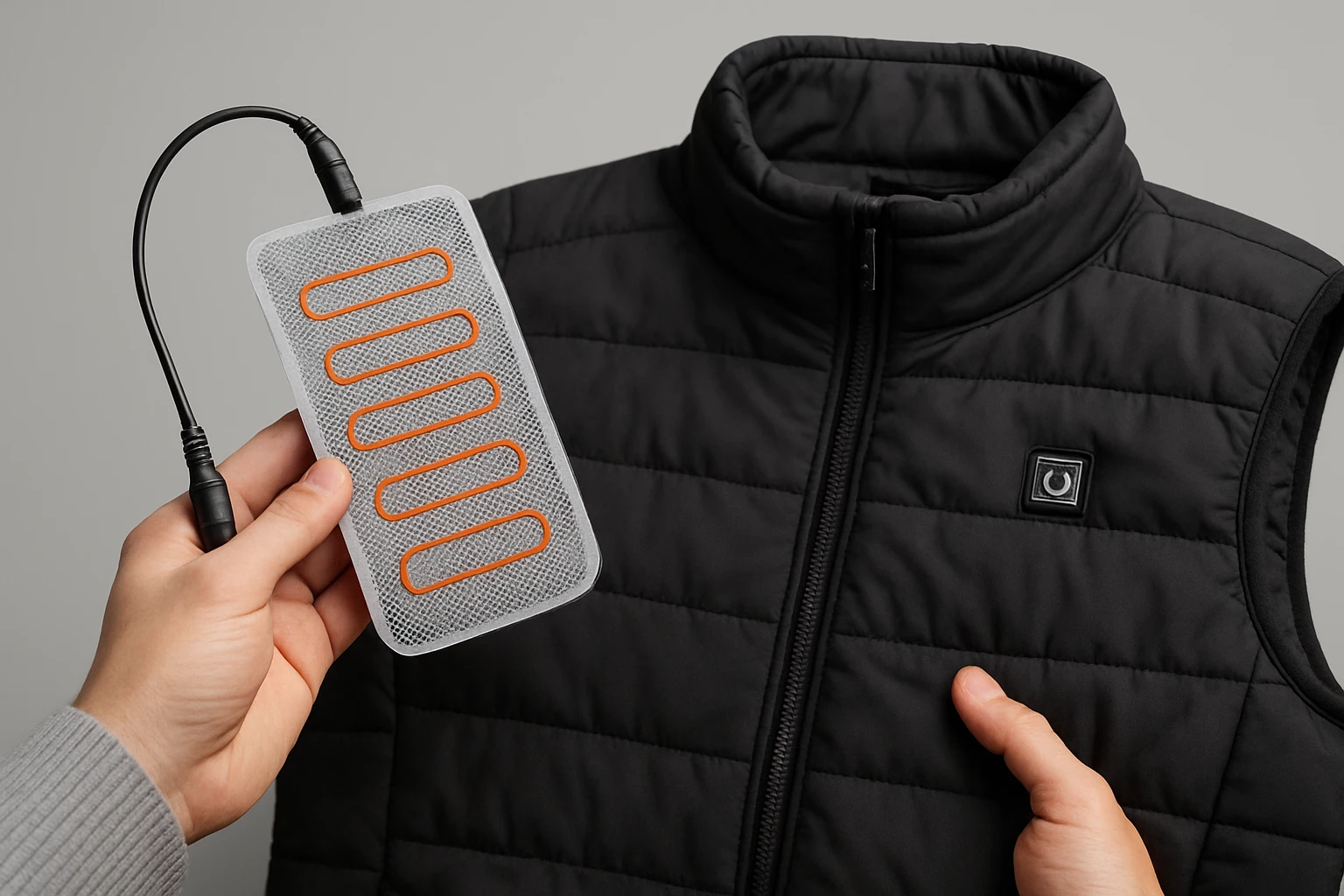
Where to Buy Replacement Heating Elements for Heated Garments: The Ultimate Buyer's Guide (Jackets, Gloves & Vests)
Introduction
Heated garments have become essential for outdoor enthusiasts, commuters, and anyone who experiences chronic cold sensitivity. When a heating element fails, the garment loses its primary benefit, prompting the need for a reliable replacement. This guide explains the types of heating elements available, where to source high‑quality replacements, and how to install them safely. Readers will also receive practical product recommendations, a comparison matrix, and actionable best‑practice tips.
By the end of this article, one will understand the technical differences between carbon‑fiber, metal‑foil, and battery‑integrated systems, and will be equipped to choose the most suitable component for a specific garment. The guide balances theoretical knowledge with real‑world examples, ensuring value for both DIY repairers and professional technicians.
Background and Context
Heating elements in garments are miniature resistive circuits that convert electrical energy into warmth. Most modern heated jackets, gloves, and vests rely on either carbon‑fiber threads woven into the fabric or thin metal‑foil strips laminated to the interior. These elements are powered by rechargeable lithium‑ion battery packs, which typically provide multiple heat settings ranging from low (30 °C) to high (45 °C). Understanding voltage, wattage, and placement is critical because mismatched components can cause uneven heating, reduced battery life, or safety hazards.
Manufacturers often design proprietary connectors, making generic replacements challenging. However, many third‑party suppliers adhere to industry standards such as 5 V USB‑C or 12 V DC connectors, allowing cross‑compatibility when the physical dimensions and power ratings align. The rise of e‑commerce platforms, particularly Amazon, has created a marketplace where vetted sellers provide certified replacement elements with detailed specifications.
Understanding Heating Element Types
There are three dominant categories of heating elements used in consumer garments:
- Carbon‑Fiber Thread: Flexible, lightweight, and capable of uniform heat distribution. Ideal for jackets and gloves where mobility is paramount.
- Metal‑Foil Strips: Provide rapid heat buildup and higher maximum temperatures. Frequently found in vests and outer shells.
- Hybrid Systems: Combine carbon‑fiber for comfort zones and metal‑foil for high‑intensity zones, as seen in premium models.
When selecting a replacement, match the original element’s material, voltage, and wattage. For example, a 5 V, 2 W carbon‑fiber strip should be replaced with an identical rating to avoid overloading the battery pack.
Where to Source Quality Replacement Elements
Amazon hosts a curated selection of replacement heating elements that meet industry safety standards. The following products are highlighted because they exemplify reliable performance and transparent specifications:
- Venustas Heated Jacket – Although a complete jacket, its integrated heating element can be harvested for carbon‑fiber strips, and the brand offers spare element kits.
- PTAHDUS Heated Jacket – Provides a modular battery pack with detachable connectors, making it a convenient source for compatible elements.
- ORORO Heated Vest – Features a lightweight USB‑C rechargeable battery and a well‑documented metal‑foil heating zone layout.
When purchasing, verify the following criteria:
- Exact voltage and wattage rating.
- Connector type (e.g., USB‑C, proprietary snap).
- Material compatibility with the garment’s fabric.
- Seller reputation and customer feedback (minimum 4‑star rating).
Integrating Replacement Elements into Garments
Installation requires careful preparation to maintain the garment’s integrity and safety compliance. The process can be divided into four stages:
- Assessment: Locate the damaged zone, note the element’s dimensions, and photograph the connector for reference.
- Removal: Use a seam ripper to open the stitching around the faulty element, taking care not to cut surrounding fabric.
- Installation: Position the new element, align the connector, and secure with heat‑resistant thread. For carbon‑fiber strips, a thin layer of silicone adhesive can improve contact.
- Testing: Connect the battery pack, select the lowest heat setting, and verify uniform warmth before final stitching.
Professional technicians often employ a solder‑less crimp connector to avoid heat damage during soldering. Additionally, sealing the seam with a waterproof tape ensures the garment remains weather‑proof.
Comparison and Selection Guide
The table below contrasts key attributes of the three featured products, helping readers decide which source best matches their repair needs:
| Feature | Venustas Heated Jacket | PTAHDUS Heated Jacket | ORORO Heated Vest |
|---|---|---|---|
| Price | $99.99 | $89.99 | $149.99 |
| Rating (reviews) | 4.4/5 (982) | 4.3/5 (2,745) | 4.5/5 (710) |
| Heating Technology | Carbon‑fiber fleece | 5 heat zones, carbon‑fiber | Metal‑foil quilted |
| Battery Interface | Separate pack, 5 V USB‑C | Integrated pack, hand‑warmer pocket | USB‑C rechargeable, lightweight |
| Best Use Case | Outdoor activities requiring flexible warmth | Cold‑weather commuting with hand‑warmers | High‑intensity sports and hunting |
For users seeking a lightweight element with minimal bulk, the ORORO Heated Vest provides a compact battery and thin foil strips. Those who prioritize modularity may prefer the PTAHDUS Heated Jacket because its battery pack includes a hand‑warmer pocket, offering extra utility. The Venustas Heated Jacket balances price and performance, making it a solid source for carbon‑fiber strips.
Best Practices & Tips
Following these guidelines will extend the lifespan of both the heating element and the garment:
- Charge Fully Before First Use: A fully charged battery ensures accurate heat level calibration.
- Avoid Over‑Heating: Use the lowest effective setting; prolonged high heat can degrade the element and battery.
- Maintain Clean Connectors: Dust or moisture on contacts reduces efficiency. Wipe with a dry microfiber cloth.
- Store in a Cool, Dry Place: Extreme temperatures accelerate battery degradation.
- Document Serial Numbers: In case of warranty claims, having the original product code simplifies verification.
When performing a repair, keep a spare battery pack on hand. This practice minimizes downtime during outdoor activities where continuous warmth is critical. Additionally, consider using a heat‑resistant fabric patch over the repaired seam to preserve the garment’s aesthetic.
Frequently Asked Questions
- 1. Can I use a generic heating element in a branded jacket?
- Only if the voltage, wattage, and connector type match the original specifications. Mismatched elements risk overheating and void warranties.
- 2. How long does a replacement element typically last?
- With proper care, carbon‑fiber strips can last 2–3 years, while metal‑foil strips may last slightly longer due to lower flex fatigue.
- 3. Is it safe to repair the element myself?
- Yes, provided you follow safety guidelines, use insulated tools, and test the element on low heat before full operation.
- 4. What battery capacity should I look for?
- For a full‑day outdoor excursion, a 10,000 mAh lithium‑ion pack delivering 5 V is recommended.
- 5. Are there waterproof heating elements?
- Some manufacturers coat the element with a silicone layer, offering limited water resistance. However, no element is fully submersible.
- 6. Can I upgrade a jacket’s heating zones?
- Upgrading is possible by adding additional carbon‑fiber strips, but the battery must support the increased power draw.
Conclusion
Replacing heating elements in jackets, gloves, and vests does not have to be a daunting task. By understanding the underlying technology, sourcing compatible components from reputable sellers, and following meticulous installation procedures, users can restore warmth and extend the useful life of their garments. The featured products illustrate the diversity of options available on Amazon, each catering to distinct performance requirements and price points. Armed with the comparison guide, best‑practice tips, and FAQs, readers are now prepared to make informed decisions and enjoy reliable heat whenever needed.
Products Featured in This Guide
Venustas Heated Jacket
Price: $99.99 | Rating: 4.4/5 (982 reviews)
Featured because it provides a flexible carbon‑fiber heating system and offers spare element kits suitable for DIY replacements.
PTAHDUS Heated Jacket
Price: $89.99 | Rating: 4.3/5 (2,745 reviews)
Featured for its modular battery pack with a hand‑warmer pocket, making it a versatile source for compatible carbon‑fiber elements.
ORORO Heated Vest
Price: $149.99 | Rating: 4.5/5 (710 reviews)
Featured because its lightweight USB‑C rechargeable battery and thin metal‑foil heating zones exemplify modern high‑performance vest designs.